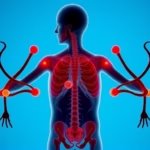
Today we will be talking about breaking the chain of infection, focusing specifically on the portal of exit. The term “portal of exit” refers to the path through which pathogens leave the host—be it a human or an animal. Understanding this concept is crucial in preventing the spread of infectious diseases. The chain of infection includes several components: the pathogen, reservoir, portal of exit, mode of transmission, portal of entry, and susceptible host. Each component is interconnected, meaning if one is disrupted, the spread of disease can be effectively prevented. Thus, focusing on the portal of exit can play a significant role in public health strategies aimed at controlling infections. In this blog post, we will explore ways to break this chain effectively, ultimately enhancing our understanding of how infections spread and how to prevent them.
Understanding the Chain of Infection
The chain of infection can be broken at multiple points, and one of the most essential links is the portal of exit. To grasp its significance, one must first understand each element in the chain. Infectious agents or pathogens—such as bacteria, viruses, fungi, and parasites—are the first components that enter the cycle. These pathogens require a reservoir, which provides them with a suitable environment for survival and multiplication. The portal of exit is where these pathogens exit the reservoir, often through various body fluids like saliva, blood, or respiratory secretions.
After the pathogens exit, they travel through a mode of transmission, which can be direct or indirect. For instance, if an infected person coughs or sneezes, they expel droplets containing viruses into the air, which can infect those around them. The droplets become the means of transportation to reach a new susceptible host, which can be anything from another human to an animal. Understanding how these infectious agents break from their reservoirs helps in developing targeted interventions to prevent their spread, making it imperative to know how to effectively manage the portal of exit.
Common Portals of Exit
The portals of exit are diverse and typically depend on the type of infection involved. Common portals include:
- Respiratory Tract
- Gastrointestinal Tract
- Urinary Tract
- Skin and Mucous Membranes
- Blood and Bodily Fluids
Breaking the chain at these points involves understanding the specific nature of each portal and targeting them accordingly. For example, respiratory infections can be significantly curtailed through practices that impede the exit of infectious droplets. Hand hygiene is pivotal for breaking the transmission cycle, especially after coughing, sneezing, or touching infected surfaces.
Importance of Hygiene Practices
Hygiene plays a fundamental role in minimizing the portals of exit, especially in healthcare settings where infections can lead to severe complications. Regular handwashing with soap and water is one of the most effective ways to break the transmission cycle. Alcohol-based sanitizers can also be effective, particularly when hands are not visibly dirty. Proper respiratory hygiene, such as covering the mouth when coughing or sneezing and using tissues, helps to prevent respiratory droplets from traveling into the air.
In community settings, fostering an environment that emphasizes good hygiene practices is vital. Educational campaigns can help raise awareness about these health safety measures. Keeping surfaces clean and disinfected, especially in public areas, further minimizes the chances of pathogens exiting and entering through different portals.
The Role of Vaccinations
Vaccines are one of the most effective public health tools for breaking the chain of infection. By immunizing individuals against specific diseases, vaccinations can help prevent pathogens from entering the body in the first place. Importantly, vaccines can also reduce the load of pathogens in carriers, thereby decreasing the likelihood of a portal of exit being used. For instance, the influenza vaccine can significantly lower the number of infectious respiratory droplets expelled into the environment.
Additionally, education surrounding vaccinations can help communities understand their importance in disease prevention. Programs aimed at increasing vaccination rates contribute substantially to the breaking of infection chains. Collaborative efforts involving healthcare providers, schools, and local organizations can help improve vaccine uptake in populations, ultimately leading to decreased infections and enhanced public health.
Environmental Control Measures
Environmental control measures are essential for preventing infections by minimizing the portals of exit. This includes ensuring proper ventilation and maintaining cleanliness in indoor spaces. In healthcare settings, isolation protocols are often implemented to prevent the spread of infections. Designing spaces with easy-to-clean surfaces and adequate sanitation facilities also contributes to controlling the exit of harmful pathogens.
Community initiatives to clean up public spaces can enhance overall health and reduce transmission risks. An environment free of litter and waste minimizes breeding grounds for vectors, such as mosquitoes that carry various diseases. Through educational campaigns and community engagement, individuals can learn to take responsibility for their surroundings, thereby reducing the actual portals of exit.
Use of Personal Protective Equipment (PPE)
Personal protective equipment (PPE) serves as a barrier between the individual and infectious materials, effectively minimizing exposure through various portals. In healthcare settings, wearing gloves, gowns, and masks can protect healthcare workers and patients alike from transmission. Proper use and disposal of PPE are essential in ensuring that they effectively serve their purpose in breaking the chain of infection.
In non-healthcare scenarios, the use of face masks during outbreaks can prevent respiratory droplets from exiting and infecting others. Public awareness campaigns about the importance of proper PPE usage can aid individuals in feeling empowered to protect themselves and others from infection.
Prompt Diagnosis and Treatment
Timely diagnosis and treatment of infections can drastically reduce the chances of pathogens using a portal of exit. When an infection is caught early, clinicians can implement measures to curb the release of pathogens into the environment. It is crucial for individuals to be aware of the symptoms associated with various infections and to seek medical advice when necessary.
Utilizing laboratory tests to identify pathogens allows healthcare providers to initiate targeted therapies, further limiting the spread. Early treatment of conditions such as sexually transmitted infections (STIs) is critical in preventing the onward transmission of pathogens through bodily fluids.
The Influence of Nutritional Status
Nutritional status significantly influences an individual’s ability to fight off infections. Malnutrition can weaken the immune system, increasing the likelihood of pathogens escaping through various portals. Ensuring a balanced diet rich in vitamins, minerals, and adequate fluids can enhance overall immunity, thereby reducing susceptibility to infections.
Food safety also plays a vital role. Consuming safe, properly cooked food can prevent gastrointestinal infections that have the gastrointestinal tract as their portal of exit. Public health initiatives focusing on nutrition education and food safety can further ensure communities know how nutrition impacts their overall health and susceptibility to infections.
Public Awareness Campaigns
Public awareness campaigns play a crucial role in breaking infection chains. By informing communities about the portals of exit, symptoms of infections, and prevention tactics, these campaigns foster active participation in public health. Social media, local workshops, and community forums can be excellent channels for disseminating this information.
Encouraging discussion within community groups regarding hygiene practices, vaccination, and sanitation can empower individuals to take collective responsibility for their health. Leading organizations in healthcare can develop materials that effectively communicate messages concerning infection prevention and control to a diverse audience.
Collaborative Efforts in Infection Prevention
Collaboration among various stakeholders is vital for breaking the chain of infection. Healthcare providers, public health officials, educators, and community leaders all have roles to play. Establishing partnerships allows for resource sharing, leading to comprehensive strategies for infection control.
Cross-sector collaboration fosters an interactive environment where ideas and best practices are shared. Local health departments can work with schools to implement health education programs, while businesses can ensure a safe and clean environment for workouts and employee health.
Conclusion: Breaking the chain of infection, specifically targeting the portal of exit, is imperative for infection prevention. Through several means, including hygiene, vaccination, environmental control, personal protective equipment, prompt diagnoses, and nutritional awareness, we can effectively limit the pathways through which infections spread. Public health initiatives that prioritize education and community involvement will undoubtedly lead to healthier populations. Thoughtful collaboration among caregivers, professionals, and the general public creates a united front against infectious diseases. Together, we can establish healthier environments and reduce the prevalence of infections that pose risks to our public health.
Frequently Asked Questions
-
What is a portal of exit?
A portal of exit is the path through which pathogens leave the host to infect new individuals. Common portals include respiratory tract, gastrointestinal tract, skin, and blood.
-
How can I prevent infections from spreading in my home?
Regular hand hygiene, avoiding close contact with sick individuals, and cleaning surfaces can significantly minimize your risk of infection in the home environment.
-
Why are vaccinations important?
Vaccinations help protect individuals from various diseases by strengthening the immune system, reducing pathogens’ ability to exit and spread from infected individuals.
-
What role does nutrition play in preventing infections?
Good nutrition supports a strong immune system, making it less likely for individuals to become infected and enhancing recovery from illnesses.
-
How can communities help in breaking the chain of infection?
Communities can organize public health initiatives that promote awareness, hygiene practices, and vaccinations while fostering a clean environment to reduce infection rates.
Further Reading
3.5 tog sleeping bag temperature guide
What Type of Psychotherapy Is Best for Anxiety?