

Key Takeaways
- Burping helps relieve gas in newborns.
- There are several effective techniques for burping.
- Timing is key; burp during and after feedings.
- Consult a pediatrician for any concerns.
When you are a new parent, one of the essential skills you will learn is how to burp a newborn. This process is crucial for ensuring your baby feels comfortable and is not distressed due to trapped air in their stomach. Burping can help your baby digest their food better and reduce the chances of spitting up. In this guide, we will discuss effective techniques, timing, and tips to make burping a newborn a smooth experience.
Understanding how to burp a newborn can seem daunting at first, but with practice, it becomes second nature. Many new parents may worry about doing it correctly, but remember that every baby is different. You might find that some methods work better for your little one than others. This article will provide various techniques and recommendations to help you find the best fit for your newborn.
As you navigate the early days of parenthood, knowing how to burp a newborn can make a significant difference in your baby’s comfort and your confidence. Let’s dive into the methods, timing, and tips that will set you up for success.
Why Burping is Important
Burping is the process of helping your baby release air that they may swallow during feeding. Newborns often ingest air while feeding, whether they are breastfeeding or bottle-feeding. If this air is not released, it can lead to discomfort, fussiness, and even spitting up. Here are some reasons why burping is crucial:
- Reduces Discomfort: Trapped air can cause your baby to feel bloated and uncomfortable. Burping helps alleviate this pressure.
- Prevents Spitting Up: If air is not released, it can push the contents of the stomach back up, leading to spitting up.
- Supports Digestion: Burping can aid in proper digestion by helping your baby feel more comfortable after feedings.
- Encourages Relaxation: A well-burped baby is often more relaxed, which can lead to better sleep and a happier mood.
When to Burp Your Newborn
Knowing when to burp your newborn is as important as knowing how to do it. Timing can significantly affect the effectiveness of the burping process. Here are key moments when you should consider burping your baby:
- During Feeding: It’s a good practice to burp your baby midway through a feeding session. This is especially important if your baby shows signs of discomfort or fussiness.
- After Feeding: Always burp your baby after they finish feeding. This helps ensure that any air swallowed during feeding is expelled.
- If Your Baby Seems Uncomfortable: If your baby is squirming or seems fussy, it may be a sign that they need to be burped, regardless of whether they have just eaten.

Techniques for Burping a Newborn
There are several effective techniques for burping a newborn, and each baby may respond differently to these methods. Here are three popular techniques:
The Over-the-Shoulder Method
This is one of the most commonly used methods for burping a newborn:
- Hold your baby against your shoulder, ensuring their chin is resting on your shoulder.
- Support their bottom with one hand while gently patting or rubbing their back with the other hand.
- Keep your baby upright, and give it a minute or two. You should hear a burp if air is released.
The Sitting-Up Method
This method is great for babies who prefer to sit up:
- Sit your baby on your lap, facing away from you.
- Support their chest and head with one hand while using your other hand to gently pat or rub their back.
- Make sure to keep your baby in an upright position for a minute or two to allow any trapped air to escape.
The Lying Down Method
If your baby is particularly fussy after feeding, this method can be effective:
- Lay your baby on their tummy across your lap or on a flat surface.
- Gently rub or pat their back, applying slight pressure to help release the air.
- Be cautious with this method, as it is essential to ensure your baby is supervised at all times.
Signs Your Baby Needs to Be Burped
Recognizing when your baby needs to be burped is crucial for their comfort. Here are some signs that indicate your baby may need to be burped:
- Fussiness: If your baby seems cranky or irritable during feeding, it may be a sign that they need to burp.
- Squirming: Excessive squirming or arching their back can indicate discomfort from trapped air.
- Spitting Up: Frequent spitting up after feedings can suggest that your baby may not be getting rid of all the air.
- Refusing to Feed: If your baby pulls away from the bottle or breast, they may need to burp.
Tips for Effective Burping
To make the burping process easier and more effective, consider the following tips:
- Be Patient: Every baby is different, and some may take longer to burp than others. Give it a few minutes.
- Use Gentle Pressure: When patting or rubbing your baby’s back, use gentle pressure to avoid discomfort.
- Experiment with Techniques: Different babies respond to different burping techniques. Try various methods to see what works best for your child.
- Keep a Calm Environment: A quiet, calm environment can help your baby relax, making it easier for them to burp.
- Stay Consistent: Make burping a regular part of feeding time to help your baby get used to the process.
Common Concerns About Burping
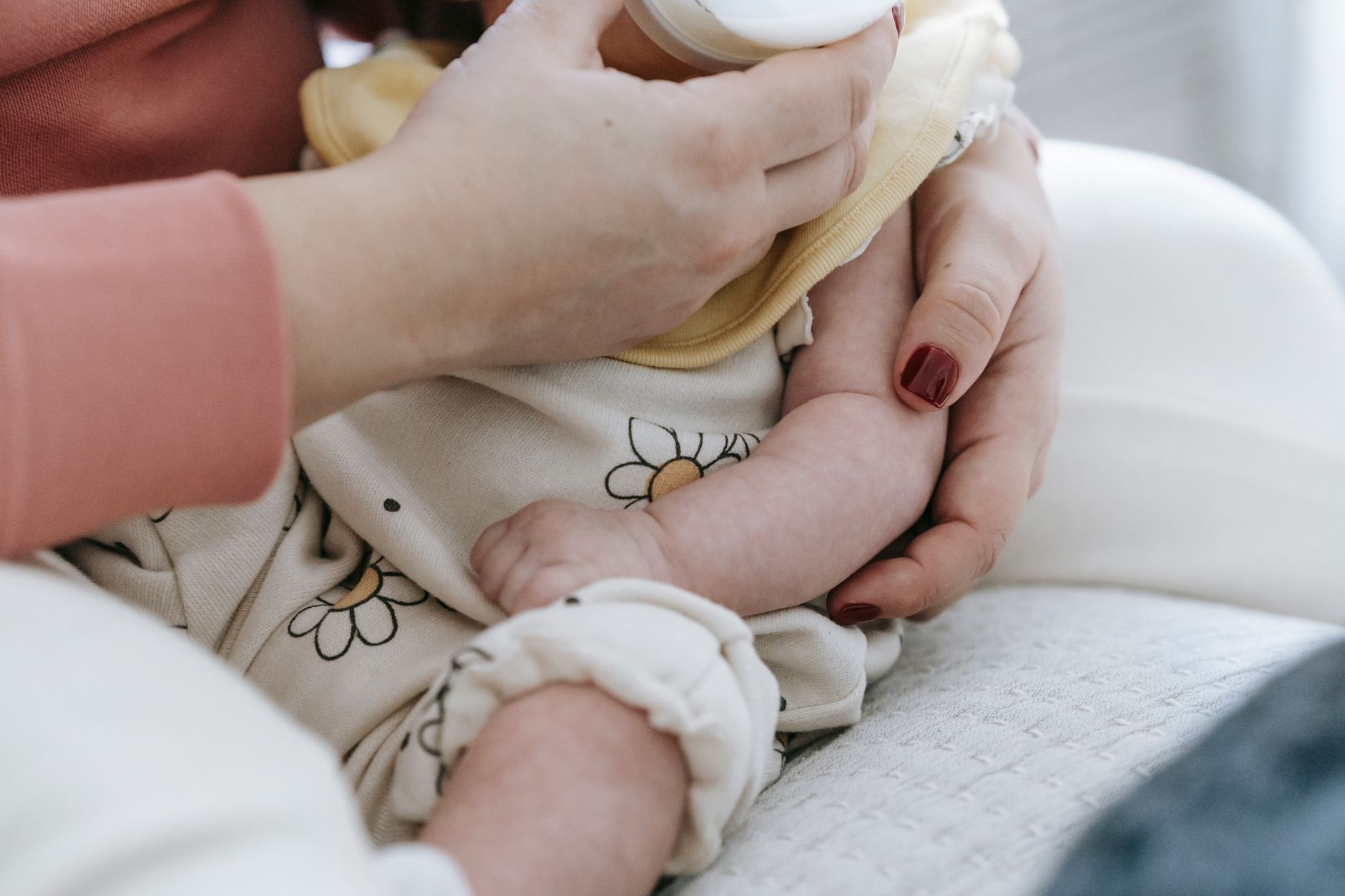
As new parents, you may have some concerns regarding the burping process. Here are a few common questions and their answers:
How long should I burp my newborn?
Generally, burping should take about 1 to 2 minutes. However, if your baby does not burp after a few minutes, it is okay to stop. Not all babies will burp every time.
What if my baby doesn’t burp?
If your baby doesn’t burp after a few minutes, it’s generally not a concern. Some babies simply do not swallow much air during feeding. Just keep an eye on their comfort level.
Can I burp my baby too much?
While it is essential to burp your baby, there is no harm in doing it too often. If your baby seems uncomfortable or fussy, feel free to burp them more frequently.
Should I burp my baby during night feedings?
Yes, it is advisable to burp your baby during night feedings as well. Just as with daytime feedings, releasing any trapped air can help your baby feel more comfortable and sleep better.
Understanding Different Feeding Methods and Their Impact on Burping
Breastfeeding and Burping
Breastfeeding can sometimes lead to less air intake compared to bottle feeding. However, it is still essential to burp your newborn after breastfeeding sessions. Babies may swallow air while latching or during breaks in feeding. The frequency and method of burping during breastfeeding can vary based on the baby’s age and feeding habits.
For breastfed babies, consider the following techniques to optimize burping:
- Burp during and after each feeding session.
- Change positions to see which one results in effective burping.
- Use skin-to-skin contact as it helps with comfort and may promote better burping.
Some mothers find that switching sides while breastfeeding can help release trapped air. Additionally, ensuring a proper latch can minimize air intake, making burping less necessary.
Formula Feeding and Burping
Formula feeding can lead to more air being swallowed, especially if the flow of the nipple is too fast. This increased air intake necessitates careful attention to burping. Timing and technique become essential to prevent discomfort for the baby.
To effectively burp a formula-fed baby, parents can consider the following:
- Hold the baby in an upright position before, during, and after feeding.
- Use slow feeding techniques to minimize air swallowing.
- Be attentive to the baby’s cues, as they might need to be burped more frequently.
Choosing the right formula can also play a role in reducing gas. Some formulas are designed to be easier on a baby’s stomach, which may lead to less air being swallowed.
Mixed Feeding and Burping Challenges
For parents who are mixed feeding, both breastfeeding and formula feeding, it is crucial to adapt burping techniques dynamically. Each feeding method has unique characteristics that can affect how a baby swallows air.
Here are some mixed feeding tips for effective burping:
- Monitor how the baby burps with each feeding method.
- Experiment with different burping positions to find what works best.
- Keep track of the baby’s gas patterns to improve burping strategies.
Being flexible and observant will help parents understand the best approach for their baby’s unique feeding situation.
Burping Positions and Their Effectiveness
Upright Position
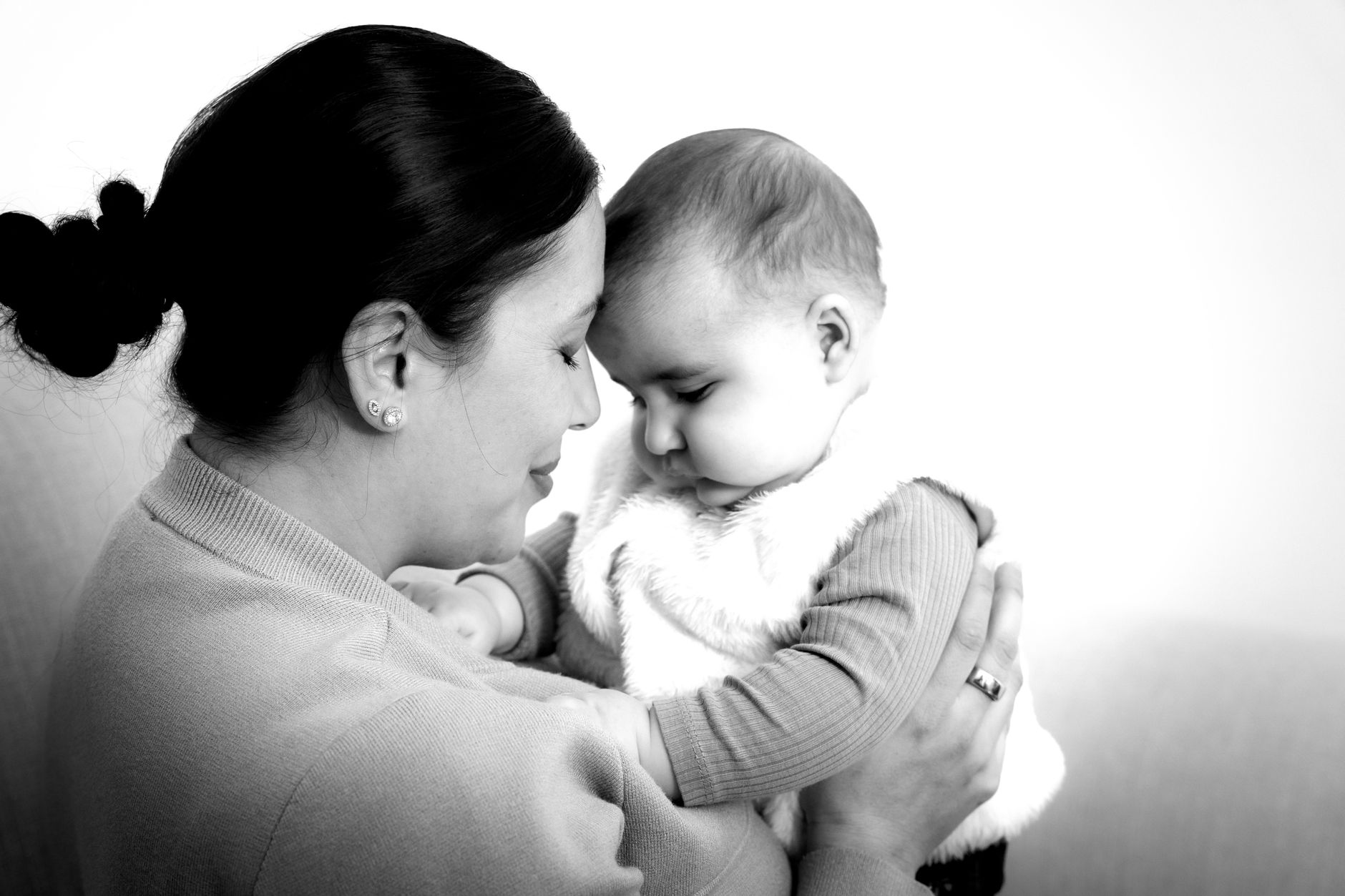
The upright position is one of the most common and effective methods for burping a newborn. Holding the baby against your chest or shoulder allows gravity to assist in the expulsion of trapped air. This position is generally comfortable for the baby and promotes bonding between parent and child.
Key advantages of the upright position include:
- Encourages natural burping due to gravity.
- Allows for easy comforting if the baby becomes fussy.
- Reduces the risk of spitting up as the baby remains vertical.
Ensure that the baby’s head is well-supported in this position to maintain comfort and safety.
Over-the-Knee Position
The over-the-knee position is another effective technique for burping. In this method, the baby is laid face down across the caregiver’s knee, with their head slightly elevated. This position can help apply gentle pressure on the baby’s tummy, facilitating the release of gas.
Benefits of the over-the-knee position include:
- Gentle pressure can help release gas bubbles.
- It allows for easy transitions into playful tummy time.
- It provides a different angle for air to escape.
Parents should be cautious about the pressure applied and ensure the baby is comfortable and secure during this method.
Side-Lying Position
The side-lying position can be useful, especially if a baby is particularly fussy or resistant to burping. In this position, the baby is laid on their side, which can provide comfort while still allowing for air to escape from the stomach.
This method has several advantages:
- May help soothe a gassy baby.
- Less strain on the caregiver’s arms and back.
- Can be particularly effective for babies who have reflux.
Parents should be careful to support the baby’s head and neck in this position and always supervise to prevent any risk of rolling over.
Burping Myths and Misconceptions
Myth: All Babies Need to Be Burped
One common misconception is that all babies require burping after every feeding. While many babies do benefit from being burped, some may not swallow enough air to necessitate it. Each baby is unique, and some may naturally release air without needing assistance.
Parents should be aware that:
- Some babies may not need to burp at all, especially if they are breastfed.
- Over time, many babies become more efficient at feeding and swallowing less air.
- Cues from the baby should guide the need for burping.
Ultimately, parents should trust their instincts and observations regarding their baby’s burping needs.
Myth: Burping is Only Necessary After Feeding
Another prevalent myth is that burping only needs to happen after a feeding session. In reality, burping can also be beneficial during feeding. It can help alleviate discomfort, especially if the baby seems fussy or gassy during a feed.
Consider these points:
- Burping during a feeding can prevent excessive air buildup.
- Taking breaks for burping can help the baby manage their intake effectively.
- It can be particularly helpful for babies who tend to eat quickly.
Incorporating burping breaks during feeding can lead to a more comfortable experience for both the baby and the parent.
Myth: You Can’t Over-Burp a Baby
Some caregivers believe that it’s impossible to over-burp a baby. However, excessive burping can lead to unnecessary stress for the baby and caregiver alike. It’s important to find a balance that works for the individual child.
Points to consider include:
- Frequent burping may not be necessary if the baby seems comfortable.
- Pay attention to the baby’s cues to gauge the need for burping.
- Creating a calm environment can help make burping a more positive experience.
Understanding these misconceptions can help parents navigate the burping process more effectively, ensuring a more pleasant experience for both the baby and themselves.
Frequently Asked Questions
What should I do if my baby is gassy and uncomfortable?
If your baby seems gassy and uncomfortable, try different burping techniques or positions to help release trapped air. Gentle tummy massages or cycling their legs can also promote gas relief.
Is it normal for my baby to spit up after burping?
Yes, it is common for babies to spit up small amounts after burping. This can occur due to the release of air or as part of their natural feeding process. Monitor your baby's comfort and consult a doctor if the spitting up is excessive.
How can I tell if my baby is swallowing too much air during feedings?
Signs that your baby may be swallowing too much air include frequent fussiness, excessive burping, or spitting up. Observing their feeding technique and ensuring a proper latch can help minimize air intake.
What if my baby seems to dislike being burped?
If your baby dislikes being burped, try different positions or techniques to find one that they are more comfortable with. Staying calm and patient during the process can also help.
The Bottom Line
Learning how to burp a newborn is an important skill that can help your baby stay comfortable and happy after feedings. By understanding when and how to burp, as well as recognizing the signs that your baby needs to be burped, you can create a soothing feeding experience. Remember, every baby is unique, and it may take time to find the best techniques that work for your little one. If you have any concerns about your baby’s feeding or burping, consult your pediatrician for guidance.
Note: This article is for general information only and is not medical advice. See a qualified health professional about your own situation.
