Key Takeaways
- Understand the importance of appearance when faking sleep.
- Learn practical techniques for creating the illusion of sleep.
- Explore the psychological aspects and benefits of faking sleep.
- Know when to consider professional help for sleep-related issues.
In today’s fast-paced world, many people find themselves in situations where they wish to appear to be sleeping, whether it’s to take a break from social interactions or to manage fatigue. Understanding how to fake sleep can be beneficial in various scenarios, such as during long meetings, family gatherings, or while commuting. This article provides a comprehensive guide on how to fake sleep effectively.
Learning how to fake sleep not only allows you to take a mental break but can also create the impression that you are well-rested. This guide will explore practical techniques, psychological insights, and the potential benefits of mastering the art of faking sleep.
By the end of this article, you will be equipped with the knowledge and strategies needed to convincingly fake sleep when necessary, enhancing your ability to navigate everyday challenges.
Understanding the Psychology of Sleep
Before diving into techniques for faking sleep, it’s essential to understand the psychological aspects of sleep. Sleep is not just a physical state; it is also tied to our mental health and social interactions. When we sleep, our body undergoes various processes that are crucial for overall well-being.
From a psychological perspective, appearing to be asleep can relieve stress and anxiety. It allows individuals to disengage from their surroundings without the pressure of conversation or social expectations. Furthermore, faking sleep can serve as a tactic for managing fatigue when one cannot afford to rest genuinely.
Additionally, understanding how others perceive you when you are faking sleep can help refine your approach. People often project their assumptions about sleep onto those who appear to be sleeping, which can influence their interactions with you.
Techniques for Faking Sleep
There are several techniques you can employ to convincingly fake sleep. Here are some key strategies to consider:
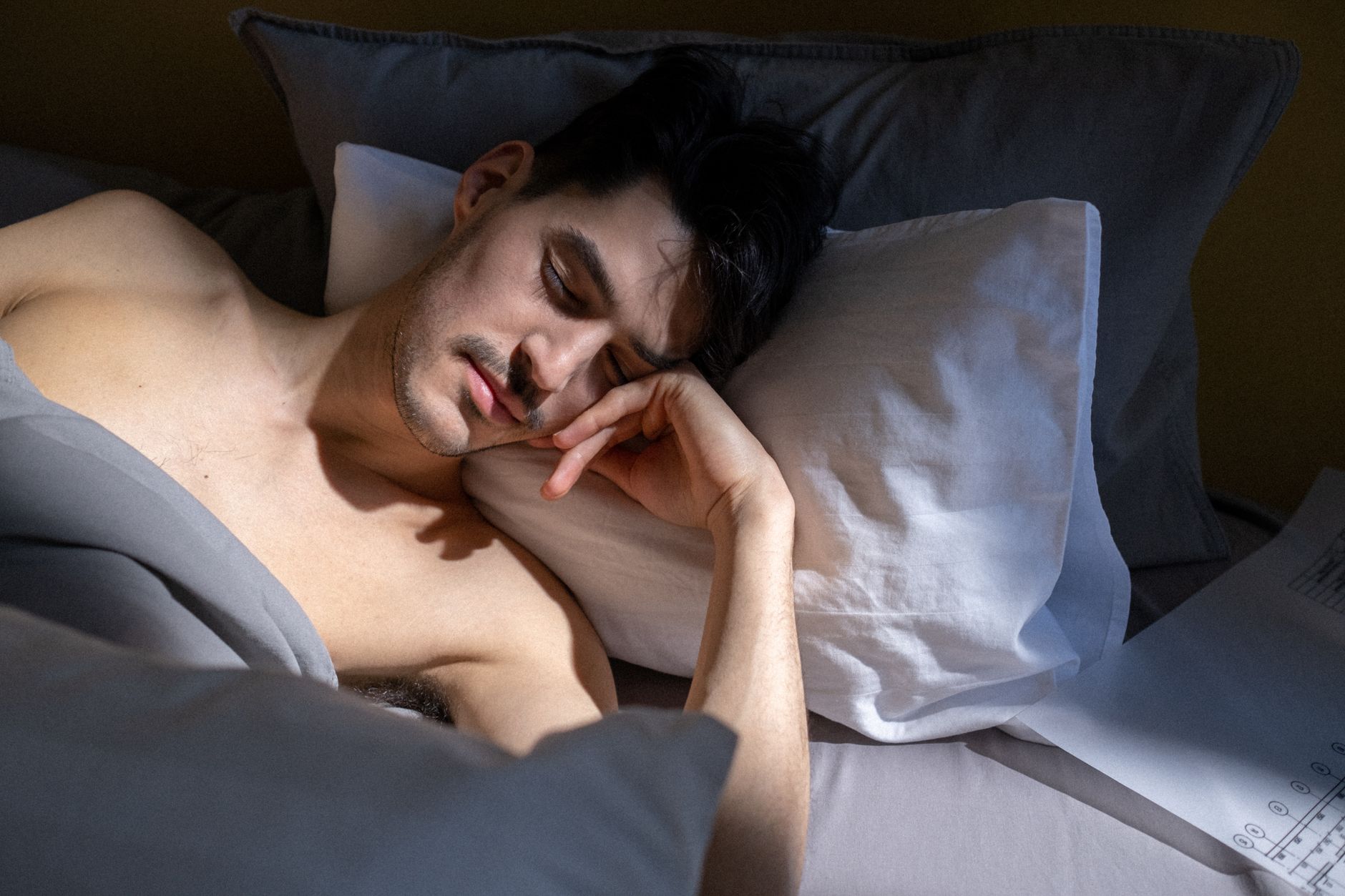
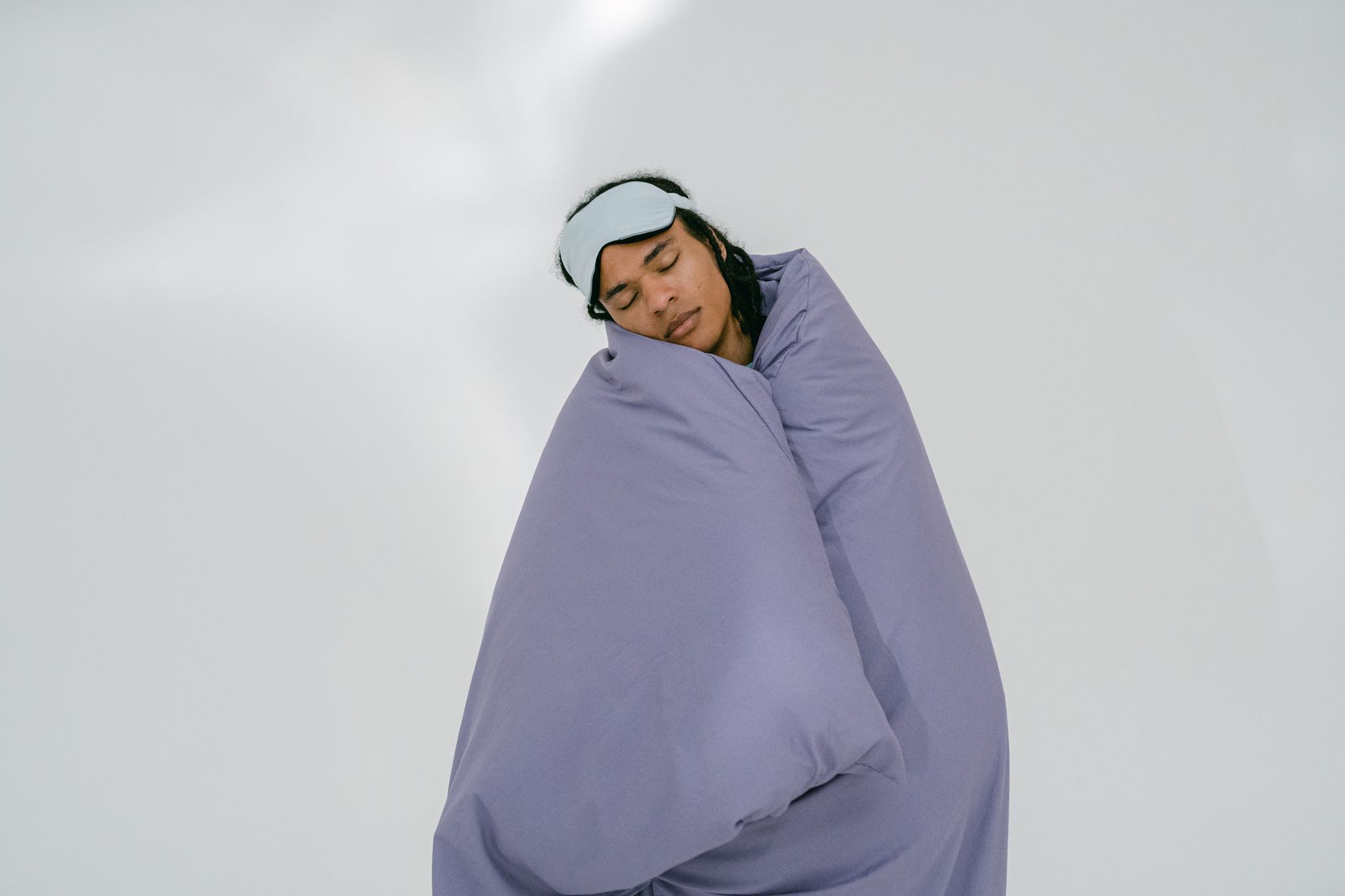
- Body Positioning: Your body language plays a significant role in how others perceive your sleep state. Lying down comfortably with your arms relaxed and your head slightly tilted can imitate natural sleep positions. If you are sitting, lean your head against a surface, like a wall or a table.
- Breathing Patterns: Mimicking the slow, rhythmic breathing patterns of someone who is asleep can enhance the illusion. Practice deep breathing, inhaling and exhaling slowly to create a calm and restful appearance.
- Facial Relaxation: Relax your facial muscles as much as possible. Close your eyes gently, and avoid any tension in your brow or jaw. A relaxed face appears more genuine when faking sleep.
Creating the Right Environment
In addition to body language, the environment plays a crucial role in faking sleep. Here are some tips to create an atmosphere that supports the illusion:
- Lighting: Dim lighting can enhance the appearance of sleep. If you’re in a room, consider turning off bright lights or using lamps with softer bulbs to create a more restful ambiance.
- Sound: Background noise can affect the perception of sleep. If possible, use white noise machines or calming music to mask any disturbances that may interrupt the illusion.
- Comfort: Use pillows, blankets, or other comfort items to make your sleeping position more convincing. The more comfortable you look, the more believable your act of sleeping will be.

Benefits of Faking Sleep
While faking sleep may seem trivial, it can offer several benefits that enhance your mental and emotional well-being:
- Stress Relief: Taking a break from social interactions by pretending to sleep can provide instant relief from stressors. It allows you to recharge without facing the demands of conversation or engagement.
- Improved Focus: Faking sleep can help you regain focus when feeling overwhelmed. By stepping back from a situation, you can return with a clearer mind and renewed energy.
- Social Dynamics: In some cases, faking sleep can help manage social dynamics. If you feel uncomfortable in a group setting, appearing asleep can help you avoid unwanted interactions.
When Faking Sleep Might Be Necessary
There are specific scenarios where faking sleep might be particularly useful:
- During Long Meetings: If you find yourself in a tedious meeting, faking sleep can provide a brief escape from monotony.
- Family Gatherings: Sometimes family events can be overwhelming. Pretending to sleep might offer a temporary reprieve.
- Commuting: If you’re on public transport and feel too tired to engage, faking sleep can help you protect your personal space.
Health Considerations
While faking sleep has its advantages, it is essential to consider the potential health implications. Chronic sleep deprivation can lead to serious health issues, including:
- Impaired Cognitive Function: Lack of sleep can lead to difficulty concentrating, memory issues, and decision-making problems.
- Increased Stress Levels: Chronic fatigue can elevate stress hormones, leading to anxiety and other mental health concerns.
- Physical Health Risks: Prolonged sleep deprivation is associated with a higher risk of cardiovascular diseases, diabetes, and obesity.
It’s important to remember that faking sleep should not replace genuine rest. If you find yourself needing to fake sleep frequently, it may be time to assess your overall sleep hygiene and lifestyle. Consider incorporating healthier sleep practices into your routine to ensure you achieve restful sleep.
Improving Sleep Hygiene
To maintain overall health, it is beneficial to improve your sleep hygiene. Here are some tips for enhancing sleep quality:
- Establish a Sleep Schedule: Go to bed and wake up at the same time every day to regulate your body’s internal clock.
- Create a Restful Environment: Ensure your bedroom is dark, quiet, and cool to promote better sleep.
- Limit Screen Time: Reduce exposure to screens before bedtime, as blue light can interfere with your ability to fall asleep.
Impact of Sleep Deprivation on Performance
Understanding the Cognitive Effects
Sleep deprivation has a profound impact on cognitive function, including attention, memory, and decision-making capabilities. Research indicates that even short periods of sleep deprivation can lead to significant lapses in performance. These cognitive impairments can mimic the effects of alcohol intoxication, leading to slower reaction times and diminished focus.
Studies suggest that individuals who experience chronic sleep deprivation may find it increasingly difficult to concentrate on tasks or retain information. This can be particularly concerning in professional settings where high levels of alertness and cognitive function are required.
- Attention span decreases significantly after 24 hours of sleep deprivation.
- Short-term memory can be impaired after just one night of poor sleep.
- Decision-making abilities are affected, leading to increased risk-taking behavior.
Physical Performance and Endurance
Not only does sleep deprivation affect cognitive abilities, but it also has tangible effects on physical performance. Athletes and individuals engaging in physical activities may find that their endurance, strength, and overall physical capability decline with insufficient sleep. Various studies have shown that sleep plays a crucial role in muscle recovery and overall athletic performance.
Moreover, the lack of sleep can lead to increased levels of fatigue and decreased motivation to engage in physical activities. This can create a vicious cycle where poor sleep leads to reduced physical activity, which in turn can exacerbate feelings of fatigue and lethargy.
- Physical endurance can decrease by up to 20% with inadequate sleep.
- Muscle recovery time is increased, affecting overall athletic performance.
- Adequate sleep is essential for maintaining optimal energy levels during workouts.
Social and Emotional Consequences
Sleep deprivation can also have significant social and emotional repercussions. Individuals who do not get enough sleep may experience heightened irritability, mood swings, and increased stress levels. These emotional challenges can lead to difficulties in personal relationships and workplace interactions.
Moreover, chronic sleep deprivation has been linked to mental health issues, including anxiety and depression. Individuals may find themselves in a cycle where poor sleep exacerbates emotional distress, leading to further sleep disruption.
- Increased irritability can lead to conflicts in personal relationships.
- Heightened stress levels can impact job performance and satisfaction.
- Long-term emotional health can be compromised, leading to serious mental health conditions.
Strategies for Managing Sleep Deprivation
Implementing Power Naps
Power naps can be an effective strategy for managing sleep deprivation, particularly in situations where full sleep is not possible. A power nap typically lasts between 10 to 30 minutes and can help rejuvenate cognitive function and alertness without entering deep sleep, which can lead to grogginess upon waking.
Research suggests that short naps can improve mood, increase alertness, and enhance performance on tasks that require sustained attention. When planning a power nap, it is essential to consider the timing to avoid interfering with nighttime sleep.
- Optimal nap duration is between 10 to 30 minutes to avoid deep sleep.
- Best time for a power nap is early afternoon to minimize disruption to nighttime sleep.
- Creating a comfortable environment can enhance the effectiveness of a power nap.
Utilizing Light Exposure
Light exposure plays a critical role in regulating the body’s circadian rhythms, which influence sleep-wake cycles. For individuals who need to fake sleep or stay awake, strategic exposure to bright light can help enhance alertness and cognitive function. Morning light exposure can signal to the body that it is time to be awake, while minimizing light exposure in the evening can promote better sleep quality.
Incorporating light therapy, especially in the morning, can help reset the body’s internal clock, thereby improving overall alertness during the day. This method is particularly useful for individuals working night shifts or dealing with irregular sleep schedules.
- Morning light exposure can enhance alertness and mood.
- Avoiding screens and bright lights before bedtime can improve sleep quality.
- Consider light therapy lamps for individuals with limited natural light exposure.
Mindfulness and Relaxation Techniques
Incorporating mindfulness and relaxation practices can help manage the effects of sleep deprivation. Techniques such as deep breathing, meditation, and progressive muscle relaxation can reduce stress levels and improve overall well-being. These practices may not replace the restorative benefits of sleep but can help alleviate some of the cognitive and emotional burdens associated with sleep loss.
Mindfulness meditation, in particular, has been shown to enhance focus and emotional regulation, which can be beneficial for those struggling with sleep deprivation. Regular practice can lead to improved resilience against the negative effects of sleep loss.
- Deep breathing exercises can lower stress levels and improve focus.
- Mindfulness meditation can enhance emotional regulation and cognitive function.
- Progressive muscle relaxation can help reduce physical tension associated with fatigue.
Long-term Effects of Habitual Sleep Deprivation
Chronic Health Conditions
Habitual sleep deprivation can lead to a variety of chronic health conditions, including obesity, diabetes, cardiovascular disease, and hypertension. Research has indicated that insufficient sleep can disrupt metabolic processes, leading to weight gain and increased risk of type 2 diabetes. Additionally, sleep deprivation is associated with elevations in stress hormones such as cortisol, which can contribute to cardiovascular risk.
Understanding the long-term health implications of chronic sleep deprivation is crucial, as these conditions can significantly impair quality of life and increase healthcare costs. Addressing sleep issues early on can be an essential component of preventive health strategies.
- Chronic sleep deprivation is linked to increased risk of obesity and metabolic syndrome.
- Elevated blood pressure can result from prolonged sleep loss.
- Heart disease risk increases with sustained inadequate sleep patterns.
Effects on Immune Function
Sleep is essential for optimal immune function, and chronic sleep deprivation can impair the immune system’s response to infections. Studies have shown that individuals who do not get sufficient sleep are more susceptible to illnesses such as the common cold and flu. The immune system relies on sleep to produce cytokines, proteins that are essential for fighting infections and inflammation.
Long-term sleep deprivation can lead to a weakened immune response, making it crucial to prioritize sleep for overall health and well-being. Individuals who frequently experience sleep loss may find themselves getting sick more often, which can further disrupt their daily lives and responsibilities.
- Sleep deprivation can reduce the production of protective cytokines.
- Increased susceptibility to infections can occur with chronic sleep loss.
- Long-term sleep issues can lead to chronic inflammation, further impacting health.
Impact on Longevity
Several studies suggest that chronic sleep deprivation may be associated with a shorter lifespan. The cumulative effects of inadequate sleep on physical and mental health can lead to a decline in overall quality of life and increased mortality risk. Understanding the relationship between sleep patterns and longevity is essential for individuals looking to improve their health outcomes over time.
Prioritizing adequate sleep can be a simple yet effective way to enhance longevity and improve overall health. Encouraging healthy sleep habits can lead to significant long-term benefits for individuals seeking to maintain their well-being.
- Studies indicate a correlation between sleep duration and mortality risk.
- Chronic sleep deprivation can lead to numerous health complications impacting lifespan.
- Quality of sleep is as important as quantity for improving long-term health outcomes.
Frequently Asked Questions
Is it harmful to fake sleep often?
Faking sleep occasionally is generally harmless, but if it becomes a frequent habit, it may indicate underlying issues with stress, anxiety, or sleep deprivation.
Can faking sleep help me feel less tired?
Faking sleep can offer a temporary mental break, but it is not a substitute for actual rest. Genuine sleep is necessary for recovery and rejuvenation.
How can I improve my actual sleep quality?
Improving sleep quality involves maintaining a regular schedule, creating a calming bedtime routine, and ensuring a conducive sleep environment.
Are there any long-term effects of sleep deprivation?
Yes, chronic sleep deprivation can lead to various health issues, including cognitive decline, mood disorders, and increased risk of chronic illnesses.
The Bottom Line
Knowing how to fake sleep can be a useful skill in certain situations. It allows for temporary relief from stress and social demands. However, it is crucial to prioritize genuine sleep for overall health and well-being. If you find yourself frequently needing to fake sleep, consider seeking professional advice to address potential underlying sleep issues.
Note: This article is for general information only and is not medical advice. See a qualified health professional about your own situation.