Key Takeaways
- Rounded shoulders can lead to discomfort and postural issues.
- Strengthening upper back muscles is essential for correction.
- Regular stretching can alleviate tightness in the chest.
- Maintaining awareness of posture throughout the day is crucial.
Many people today are concerned about their posture, particularly how to fix rounded shoulders. This condition, characterized by the shoulders being hunched forward, can lead to various physical issues such as neck pain, back discomfort, and even headaches. Understanding the causes of rounded shoulders and how to address them is essential for improving overall health and well-being.
Rounded shoulders often develop due to prolonged periods of sitting, poor ergonomics, and certain lifestyle habits, including lack of physical activity. Fortunately, with the right exercises and lifestyle adjustments, anyone can effectively work on fixing this posture problem. In this guide, we will delve into various strategies and techniques, offering practical advice for individuals looking to improve their posture.
Before we dive into the solutions, it’s important to note that if you experience significant pain or discomfort, you should consult a healthcare professional for a proper assessment and guidance tailored to your needs.
Understanding Rounded Shoulders
Rounded shoulders occur when the shoulders roll forward and down, which may cause the upper back to hunch. This condition can arise from several factors, including muscle imbalances, sedentary lifestyles, and poor positioning during daily activities.
Muscle imbalances play a major role in developing rounded shoulders. Specifically, tightness in the chest muscles (pectorals) can lead to weakness in the upper back muscles (trapezius, rhomboids, and rear deltoids). Over time, this imbalance can cause the shoulders to adopt a rounded position as the chest muscles pull them forward.
Furthermore, modern lifestyles often involve prolonged sitting and inadequate movement, which can contribute to poor posture. Activities such as working at a computer, looking down at a phone, or even driving can exacerbate this issue. Recognizing the underlying causes is the first step toward effectively addressing rounded shoulders.
Evaluating Your Posture
To begin fixing rounded shoulders, it’s important first to assess your current posture. Here’s how you can evaluate your posture at home:
- Wall Test: Stand with your back against a wall. Your heels, buttocks, and head should touch the wall. If your shoulders do not touch the wall, this may indicate rounded shoulders.
- Mirror Check: Stand in front of a mirror and observe your shoulder alignment. Are they level or does one shoulder appear higher? This can indicate muscle imbalances.
- Photographic Evidence: Take a side photo of yourself standing naturally. Compare it with a picture of someone with good posture to note differences.
By evaluating your posture, you can gain a clearer understanding of the extent of your rounded shoulders and track your progress as you implement corrective strategies.
Strengthening the Upper Back
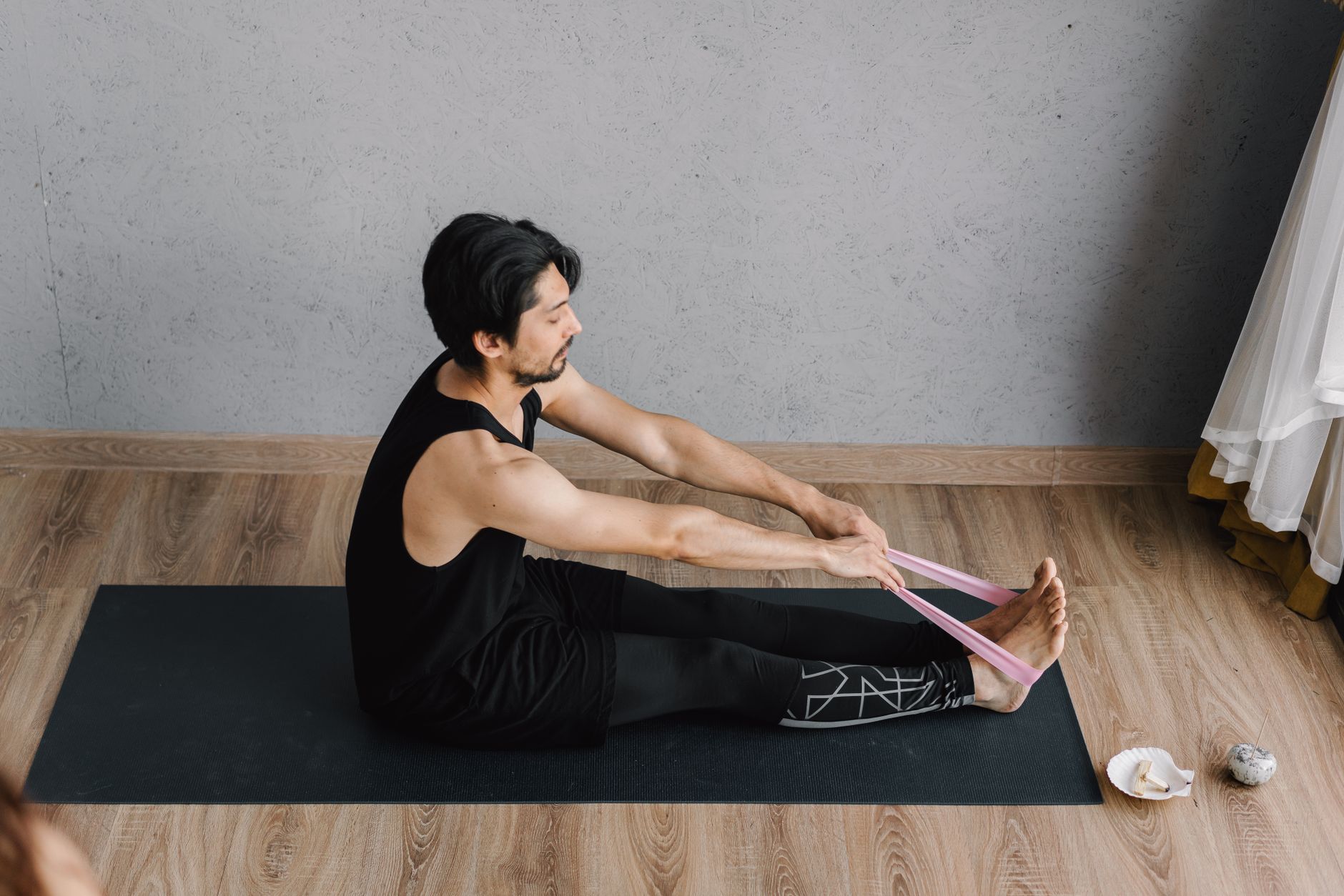
One of the most effective ways to fix rounded shoulders is by strengthening the muscles in your upper back. These muscles help pull the shoulders back into a more neutral position, counteracting the forward pull of tight chest muscles. Here are several exercises designed to strengthen the upper back:
- Rows: Using a resistance band or weights, perform rows by pulling your arms back while keeping your elbows close to your body. This targets the rhomboids and trapezius.
- Reverse Flys: Stand with your feet shoulder-width apart and hinge at the hips. With weights in each hand, lift your arms out to the side, squeezing your shoulder blades together.
- Face Pulls: Using a resistance band or cable machine, pull the band towards your face while keeping your elbows high. This exercise strengthens the rear deltoids and upper back.
Incorporating these exercises into your routine 2-3 times a week can significantly improve upper back strength and help correct rounded shoulders over time.
Stretching the Chest Muscles
In addition to strengthening the upper back, it is crucial to stretch the chest muscles to alleviate tightness that contributes to rounded shoulders. Regularly stretching your pectorals can enhance flexibility and allow your shoulders to adopt a more neutral position. Here are some effective stretches:
- Chest Stretch Against a Wall: Stand facing a wall and place your forearm against it. Slowly rotate your body away from your arm to feel a stretch in your chest.
- Pec Stretch on the Floor: Lie on your back on the floor, arms extended out to the sides. Allow gravity to gently pull your arms down, which stretches the chest muscles.
- Doorway Stretch: Stand in a doorway and place your hands on the door frame. Lean slightly forward until you feel a stretch in your chest.
Incorporating these stretches into your daily routine, especially after activities that may tighten your chest, can help maintain balance between muscle strength and flexibility.
Improving Ergonomics
Improving your daily ergonomics can significantly contribute to fixing rounded shoulders. Ergonomics refers to designing your workspace and daily activities to minimize strain on your body. Here are some tips for creating a more ergonomic environment:
- Workspace Setup: Ensure your computer screen is at eye level, and use a chair that supports your lower back. Your feet should rest flat on the ground.
- Phone Use: Avoid looking down at your phone for prolonged periods. Instead, hold it at eye level to reduce strain on your neck and shoulders.
- Frequent Breaks: Take short breaks every hour to stand, stretch, and move around. This helps counteract the effects of prolonged sitting.
By making these adjustments, you can create a more supportive environment that encourages proper posture throughout your day.

Mindfulness and Posture Awareness
Being aware of your posture throughout the day is vital in fixing rounded shoulders. Mindfulness involves paying attention to your body and making conscious efforts to maintain good posture. Consider the following strategies:
- Reminders: Set reminders on your phone or computer to check your posture regularly. This can help you become more aware of your body position.
- Posture Checks: Incorporate brief posture checks into your daily routine, whether at your desk, while walking, or during breaks.
- Engage Your Core: Strengthening your core muscles can help support your spine and maintain better posture. Consider core-strengthening exercises like planks and bridges.
By developing mindfulness around your posture, you can make lasting changes to how you hold your body in various situations.
Physical Therapy and Professional Guidance
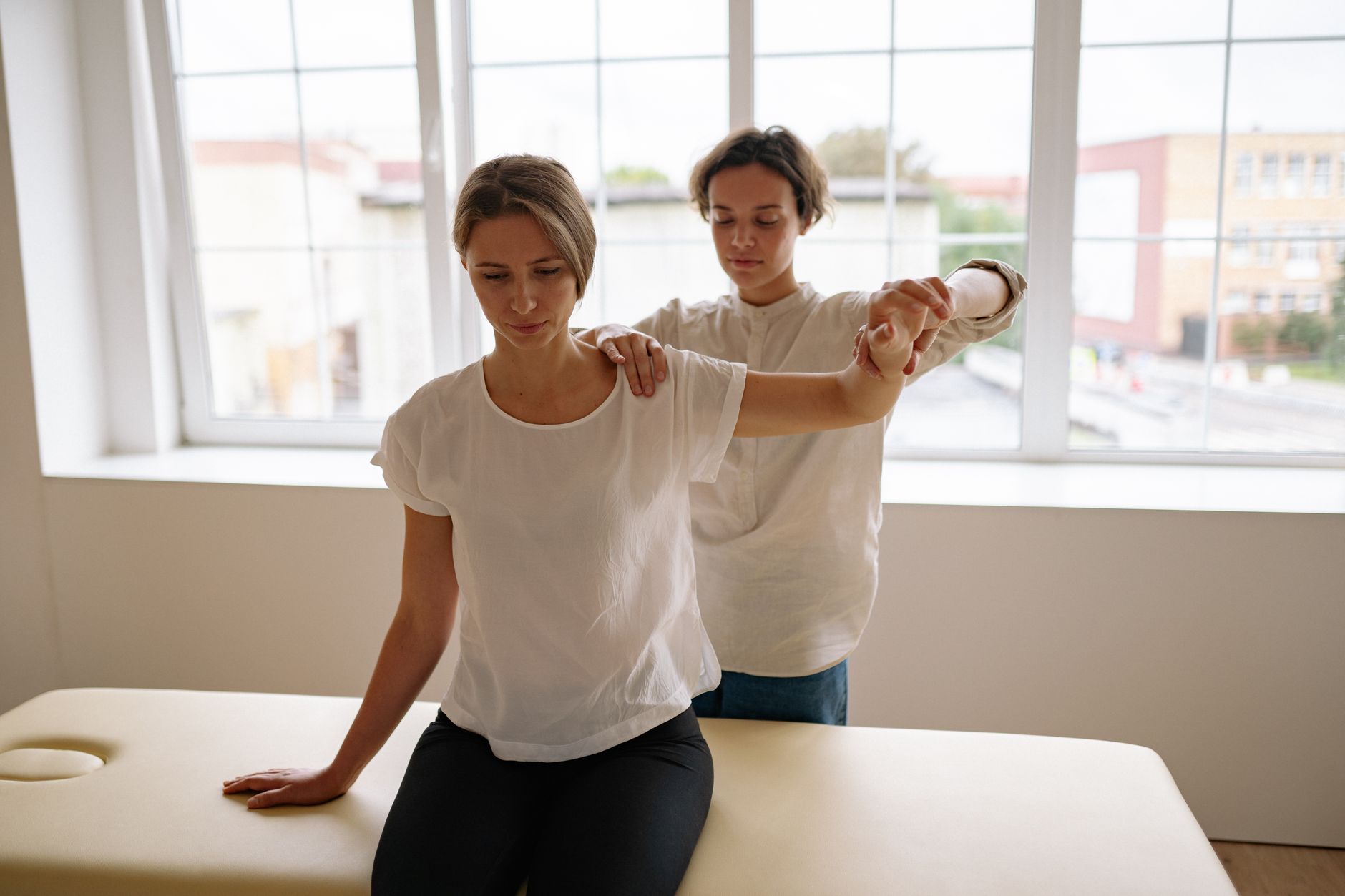
If you’re struggling to fix rounded shoulders on your own, consider seeking professional guidance from a physical therapist. A physical therapist can assess your posture, identify specific muscle imbalances, and create a tailored exercise program to address your needs.
Physical therapy can also include manual therapies, such as massage and joint mobilization, which can help alleviate tightness and improve mobility in the shoulders and upper back. Additionally, a therapist can provide education on ergonomics and posture awareness, ensuring you have the tools to maintain your progress.
Consulting with a healthcare professional is particularly important if you experience pain or discomfort, as they can rule out underlying conditions and provide appropriate treatment options.
Integrating Core Stability for Postural Improvement
The Role of Core Muscles in Posture
Core stability is essential for maintaining proper posture, including the alignment of the shoulders. The core muscles, which include the abdominal muscles, obliques, and lower back, provide a solid base for the entire body. A weak core can lead to compensatory movements that exacerbate rounded shoulders. Focusing on core strength can thus support an upright posture and alleviate the strain on the upper back and shoulders.
Research indicates that individuals with rounded shoulders often exhibit a lack of core engagement during physical activities. This disengagement can cause the upper body to slump forward, leading to further postural issues. By enhancing core stability, you create a foundation that promotes proper alignment and reduces the risk of injury.
Core Stability Exercises
Incorporating specific exercises into your routine can significantly enhance core stability. Here are some effective exercises to strengthen your core and improve overall posture:
- Plank: Hold a plank position for 30 seconds to 1 minute, focusing on keeping your body in a straight line.
- Bird-Dog: Start on all fours, extend one arm and the opposite leg simultaneously, then switch. This exercise promotes balance and stability.
- Dead Bug: Lie on your back with arms and legs in the air, lower one arm and the opposite leg to the ground while keeping your back flat.
- Side Plank: Lie on your side and lift your body off the ground, supporting yourself with one arm. This targets the obliques and improves lateral stability.
Performing these exercises consistently can lead to improved core strength, which in turn supports better shoulder alignment and posture.
Incorporating Dynamic Stretching into Your Routine
The Importance of Dynamic Stretching
Dynamic stretching is an active form of stretching that helps prepare the body for movement. Unlike static stretching, which involves holding a stretch for a period, dynamic stretching incorporates movement that mimics the activity you are about to perform. This method has been shown to enhance flexibility, increase blood flow, and improve muscle performance. For those with rounded shoulders, dynamic stretching can help loosen tight muscles in the chest and upper back, facilitating better range of motion.
Dynamic stretching can be particularly beneficial before workouts or daily activities that involve repetitive upper body movements. Engaging in these stretches can help to counteract the effects of poor posture, allowing for greater mobility and a reduced risk of injury.
Effective Dynamic Stretches for Shoulder Health
Here are some dynamic stretches specifically designed to target the shoulders and upper back:
- Arm Circles: Stand with arms extended and make small circles, gradually increasing the size. This helps increase blood flow to the shoulder joints.
- Torso Twists: Stand with feet shoulder-width apart and twist your torso side to side, allowing your arms to swing freely. This engages the core and promotes spinal mobility.
- Scapular Push-Ups: In a push-up position, lower your body while keeping your arms straight and squeezing your shoulder blades together. This strengthens the upper back while promoting shoulder mobility.
- Wall Angels: Stand against a wall with your arms raised at 90 degrees. Slide your arms up and down the wall while maintaining contact. This helps improve shoulder mobility and posture.
Incorporating these dynamic stretches into your warm-up routine can help prepare your muscles for activity and promote better alignment throughout the day.
Utilizing Mind-Body Techniques for Postural Awareness
Understanding Mind-Body Connection
Mind-body techniques emphasize the connection between the mind and physical body, helping individuals become more aware of their posture and movement patterns. Practices such as yoga, tai chi, and pilates can enhance postural awareness and help individuals identify habits that contribute to rounded shoulders. By fostering mindfulness, individuals can learn to recognize when they are slumping or adopting poor posture, allowing them to make adjustments.
Research supports the idea that mind-body practices can lead to improvements in posture, flexibility, and overall body awareness. Engaging in these practices regularly can help individuals develop a greater understanding of their body mechanics and encourage conscious efforts to maintain proper alignment.
Mind-Body Practices for Postural Improvement
Here are some effective mind-body practices that can help improve posture and reduce rounded shoulders:
- Yoga: Focus on specific poses such as Mountain Pose, Cobra Pose, and Child’s Pose to stretch and strengthen the upper back and chest.
- Tai Chi: This gentle martial art emphasizes slow, controlled movements, promoting balance and body awareness.
- Pilates: Incorporate exercises that focus on spinal alignment and core stabilization, such as the Pilates Spine Stretch and the Roll-Up.
- Breathing Exercises: Practice diaphragmatic breathing to engage the core and encourage relaxation of the chest muscles.
By integrating these mind-body techniques into your daily routine, you can cultivate a greater sense of awareness, ultimately leading to improved posture and reduced tension in the shoulders.
Frequently Asked Questions
What causes rounded shoulders?
Rounded shoulders can be caused by a combination of muscle imbalances, sedentary lifestyle, and poor posture during daily activities. Tightness in the chest muscles and weakness in the upper back muscles often contribute to this condition.
How long does it take to fix rounded shoulders?
The time it takes to fix rounded shoulders varies based on individual circumstances, such as the severity of the condition and the consistency of corrective exercises. With regular practice, noticeable improvements can typically be seen within a few weeks to a few months.
Can I fix rounded shoulders on my own?
Yes, many individuals can fix rounded shoulders on their own through targeted strengthening and stretching exercises, improved ergonomics, and posture awareness. However, seeking guidance from a healthcare professional can enhance your efforts and ensure safety.
Are there any gadgets that can help with rounded shoulders?
Some devices, such as posture correctors and ergonomic chairs, can help remind you to maintain good posture. However, they should be used in conjunction with exercises and awareness rather than as a sole solution.
The Bottom Line
Fixing rounded shoulders requires a combination of strengthening upper back muscles, stretching tight chest muscles, improving ergonomics, and fostering mindfulness about posture. By implementing the strategies outlined in this guide, individuals can work towards better posture and overall health. Remember, if you have persistent pain or discomfort, it’s important to consult a healthcare professional for personalized advice and treatment.
Incorporate daily stretching and strengthening exercises into your routine to effectively address rounded shoulders.[/m4p_tip>
Note: This article is for general information only and is not medical advice. See a qualified health professional about your own situation.