
Key Takeaways
- Understanding why water gets trapped in your ears.
- Effective methods to remove water from your ears.
- Preventive measures to avoid future occurrences.
- When to seek medical advice regarding ear discomfort.
If you’ve ever found yourself asking how to get water out of your ears, you’re not alone. Many people experience this annoying sensation, especially after swimming, showering, or bathing. Water can become trapped in the ear canal, leading to discomfort and sometimes even temporary hearing loss. Understanding how to remove that water safely can make a significant difference in your well-being.
In this comprehensive guide, we will explore various methods to effectively get water out of your ears. We will also discuss preventive measures to help you avoid this issue in the future, as well as when it might be necessary to consult a healthcare professional. Whether you’re a swimmer, a shower lover, or just someone who occasionally struggles with this problem, we’ve got you covered.
So, let’s dive into the best practices and techniques for how to get water out of your ears!
Why Does Water Get Trapped in the Ears?
Before we explore how to get water out of your ears, it’s essential to understand why it gets trapped in the first place. The ear is made up of three parts: the outer ear, the middle ear, and the inner ear. When water enters the ear canal, it can sometimes become trapped, particularly if the ear canal is shaped in a way that holds water or if there’s a lot of earwax present.
Factors that contribute to water being trapped in your ears include:
- Swimming or Bathing: Activities that involve submerging your head in water can lead to water getting into your ears.
- Humidity: High humidity levels can cause moisture to accumulate in the ear.
- Earwax Buildup: Excessive earwax can create a barrier that traps water.
It’s generally harmless, but it can lead to discomfort or even infections if not addressed promptly. Understanding these factors can help you prevent water from getting trapped in your ears in the future.
Simple Techniques to Get Water Out of Your Ears
There are several simple and effective techniques that can help you get water out of your ears. Here are some of the most common methods:
1. Gravity Method
This straightforward technique uses gravity to your advantage. Here’s how to do it:
- Stand upright and tilt your head to the side of the affected ear.
- Gently pull on your earlobe to straighten the ear canal.
- With your head tilted, hop on one foot to help the water flow out.
This method is effective and can help dislodge trapped water without any additional tools or techniques.
2. Jaw Movements
Moving your jaw can also help close the Eustachian tubes and allow trapped water to escape. Here’s what to do:
- Open your mouth wide and yawn.
- Chew gum or make chewing motions.
- Move your jaw side to side.
These motions can create changes in pressure that may help push the water out of your ears.
3. The Vacuum Technique
This method involves creating a vacuum in your ear to help draw out the water. Follow these steps:
- Place the palm of your hand over the affected ear.
- Press your hand gently against your ear and then quickly pull it away.
- Repeat this movement a few times.
This technique can be especially effective if the water is stuck deep in the ear canal.

Using Home Remedies
In addition to physical techniques, several home remedies can also help to remove water from your ears. Here are some that are commonly recommended:
1. Vinegar and Alcohol Mixture
A mixture of vinegar and alcohol can help dry out trapped water and prevent infections:
- Mix equal parts of white vinegar and rubbing alcohol.
- Using a dropper, place a few drops of the mixture into the affected ear.
- Wait a few minutes, then tilt your head to let it drain out.
This method not only helps get rid of water but also reduces the risk of ear infections.
2. Warm Compress
A warm compress can help relieve discomfort and may assist in drawing out water:
- Soak a clean cloth in warm water and wring it out.
- Hold the warm cloth against the affected ear for several minutes.
- Repeat as needed.
The warmth can help relax the muscles around the ear, allowing the water to flow out more easily.
3. Essential Oils
Some essential oils, like tea tree oil, have anti-inflammatory properties and can help with ear discomfort:
- Mix a few drops of tea tree oil with a carrier oil.
- Apply the mixture around the outer ear but avoid putting it directly in the ear canal.
- Let it sit for a while to help soothe irritation.
While essential oils can be beneficial, it’s important to avoid putting them directly inside the ear canal unless advised by a healthcare professional.
Preventive Measures for Future Incidents
After learning how to get water out of your ears, it’s essential to consider how to prevent this issue from occurring in the first place. Here are some practical tips:
1. Use Earplugs
If you frequently swim or shower, consider wearing earplugs to keep water out:
- Choose silicone or custom-fitted earplugs for the best fit.
- Always wear them when engaging in water activities.
- Ensure they are properly sealed to prevent water leakage.
Using earplugs can significantly reduce the chances of water entering your ears.
2. Dry Your Ears After Swimming
Make it a habit to dry your ears thoroughly after swimming or showering:
- Use a soft towel to gently dry your ears.
- Consider using a hairdryer on a low heat setting, holding it at least a foot away from your ear.
- Tip your head to each side to help any remaining water escape.
Taking these steps can help minimize the risk of water getting trapped in your ears.
3. Keep Earwax Under Control
Managing earwax can help prevent water retention:
- Use gentle ear cleaning methods, such as a damp cloth.
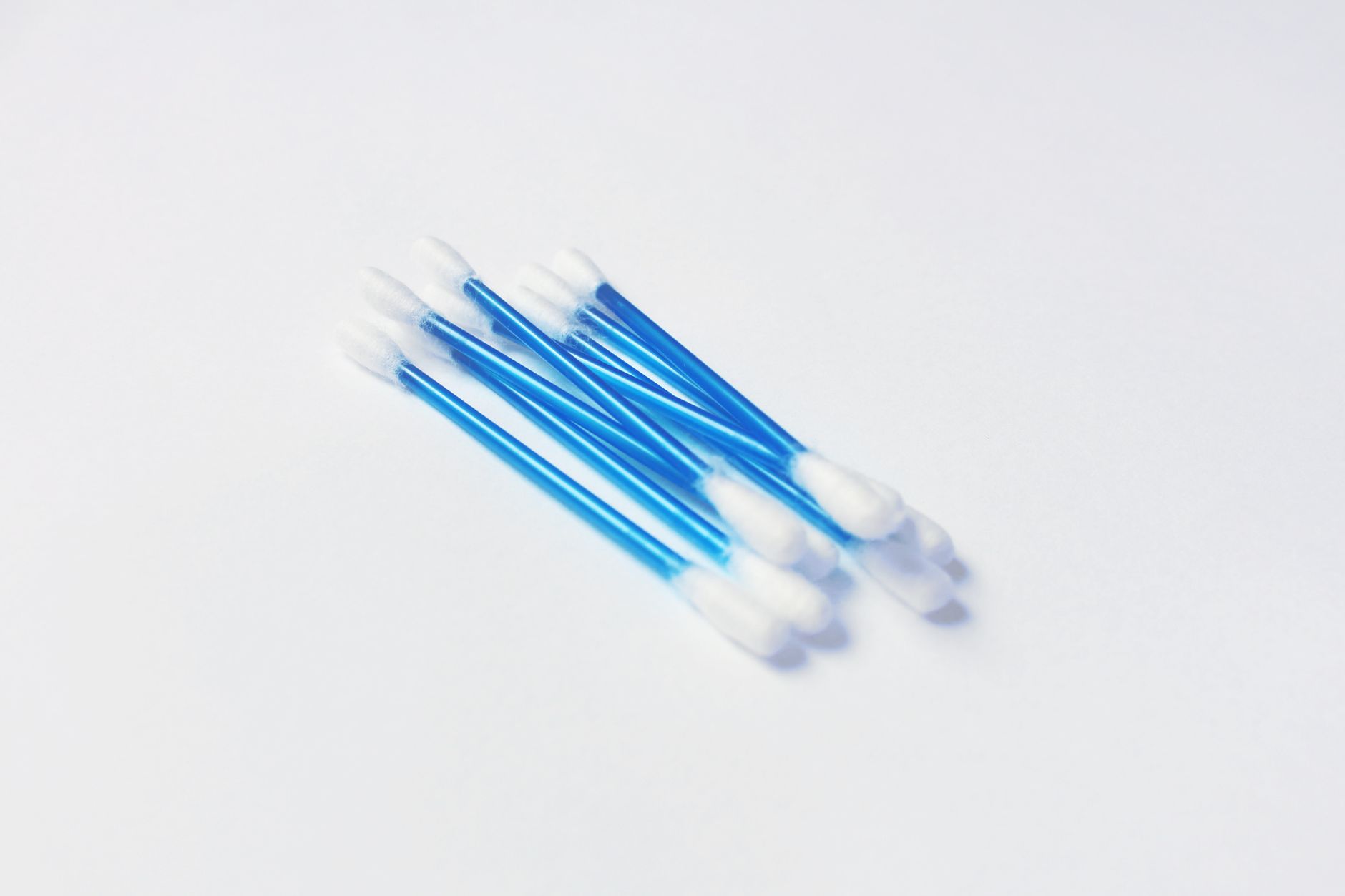
- Avoid using cotton swabs, as they can push wax deeper.
- If you have excessive earwax, consult a healthcare professional for safe removal.
Keeping your ears clean can help reduce the likelihood of water being trapped.
When to See a Doctor
While water trapped in your ears is usually not a serious issue, there are times when it’s crucial to seek medical attention:
- If you experience pain, hearing loss, or a feeling of fullness that does not resolve.
- Signs of infection, such as fever, discharge, or persistent discomfort.
- If you have a history of ear problems or recent ear surgery.
It’s always better to err on the side of caution. A healthcare professional can provide appropriate treatment and advice tailored to your situation.
Understanding the Anatomy of the Ear
The ear is a complex organ that plays a crucial role in hearing and balance. To effectively remove water trapped in the ear, understanding its anatomy can provide insights into why water can become lodged there.
Structure of the Ear
The ear is divided into three main sections: the outer ear, middle ear, and inner ear. The outer ear consists of the pinna and the ear canal, which directs sound waves toward the eardrum. The middle ear contains the eardrum and ossicles, which are three tiny bones that transmit sound vibrations to the inner ear. The inner ear contains the cochlea and vestibular system, essential for hearing and balance.
How Water Affects Ear Function
Water trapped in the ear can disrupt normal auditory function and create discomfort. When water accumulates in the ear canal, it can lead to a temporary reduction in hearing and a sensation of fullness. In some cases, if the water remains trapped, it can lead to ear infections, as moisture creates an environment conducive to bacteria growth.
Common Conditions Related to Water in the Ear
- Swimmer’s Ear: This is an outer ear canal infection that can occur when water is trapped, leading to irritation and inflammation.
- Otitis Media: A middle ear infection that can be exacerbated by trapped water, especially in children.
- Tinnitus: A ringing or buzzing in the ears that can occur when water disrupts normal ear function.
Alternative Methods for Removing Water from the Ear
In addition to common techniques for getting water out of the ear, several alternative methods can be effective. These methods may be less known but are useful for individuals seeking different solutions.
Gravity-Assisted Techniques
Using gravity can be a simple yet effective method for removing water from the ear. By tilting the head and using the force of gravity, water may be encouraged to flow out of the ear canal.
- Head Tilt: Tilt your head to the side with the affected ear facing downward. Gently tug on the earlobe to open the canal wider.
- Jaw Movements: Moving your jaw by yawning or chewing can help to shift the water in the ear canal.
- Quick Movements: Jumping on one foot or hopping while tilting your head can also help dislodge trapped water.
Using Heat to Evaporate Water
Applying heat can help evaporate the trapped water in the ear. This can be an effective method, especially if the water is not easily expelled. Here are some techniques:
- Warm Compress: Apply a warm washcloth over the affected ear for several minutes to create a warm environment.
- Hair Dryer: Set a hair dryer to the lowest heat setting and hold it about a foot away from the ear. The gentle warm air can help evaporate the trapped water.
- Steam Inhalation: Inhaling steam from a hot shower or bowl of hot water can help open the Eustachian tubes and may facilitate drainage.
Hydration and Ear Health
Staying well-hydrated is essential for overall ear health. Proper hydration can help thin the mucus in the Eustachian tubes, reducing the tendency for water to become trapped.
- Recommended Water Intake: Aim for at least 8-10 glasses of water daily, more if you are physically active.
- Avoid Dehydrating Beverages: Limit intake of caffeinated and alcoholic beverages, which can lead to dehydration.
- Monitor Humidity Levels: Use a humidifier in dry environments to maintain optimal moisture levels.
Consulting with an Audiologist or ENT Specialist
If water remains trapped in your ears despite trying various techniques, consulting with an audiologist or an ear, nose, and throat (ENT) specialist can provide further assistance. These professionals can offer specialized care and treatment options.
Diagnostic Approaches
An audiologist or ENT specialist can perform diagnostic tests to determine the extent of water accumulation and any underlying issues. Common diagnostic approaches include:
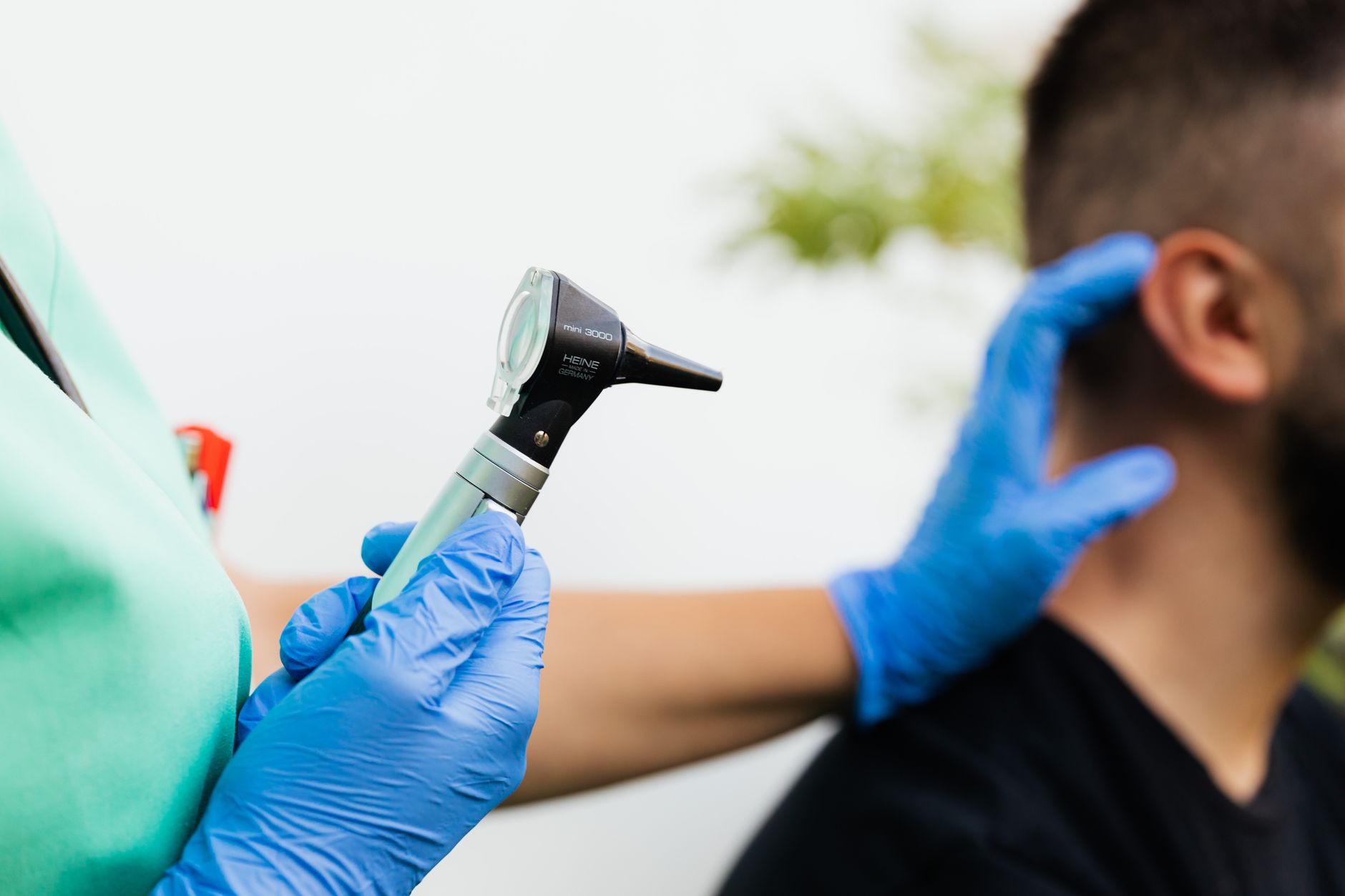
- Otoscopy: A visual examination of the ear canal using an otoscope to check for blockages or infection.
- Hearing Tests: Audiometric tests can assess hearing loss that may be related to fluid in the ear.
- Imaging Tests: In certain cases, imaging tests such as CT scans may be used to evaluate the ear’s structure.
Treatment Options
If professional intervention is necessary, the audiologist or ENT specialist may recommend several treatment options based on your specific condition:
- Ear Drops: Prescription or over-the-counter ear drops may be used to help dry out the ear canal.
- Manual Removal: In some cases, a healthcare professional may need to manually remove water using specialized tools.
- Antibiotics: If an infection is present, antibiotics may be prescribed to address the underlying cause.
Long-Term Ear Care
Maintaining ear health is essential for preventing future issues with water accumulation. Regular check-ups with an audiologist or ENT specialist can help monitor ear health. Additionally, practicing good ear hygiene and being mindful of water exposure during activities like swimming or bathing can be beneficial.
Frequently Asked Questions
1. Can water in my ears cause hearing loss?
Water trapped in the ears can lead to temporary hearing loss due to pressure in the ear canal. However, this usually resolves once the water is removed. If hearing loss persists, consult a healthcare professional.
2. Is it safe to use cotton swabs to remove water from my ears?
Using cotton swabs is not recommended, as they can push wax deeper into the ear canal and potentially cause damage. Instead, try the methods described earlier in this article.
3. Can I prevent water from getting trapped in my ears?
Yes, you can prevent water from getting trapped by using earplugs while swimming, drying your ears thoroughly after water activities, and managing earwax build-up.
4. What should I do if I suspect an ear infection?
If you suspect an ear infection, characterized by pain, fever, or discharge, it’s important to see a healthcare professional for proper diagnosis and treatment.
The Bottom Line
Knowing how to get water out of your ears can help alleviate discomfort and prevent potential issues. By using simple techniques like gravity, jaw movements, and home remedies, you can effectively remove trapped water. Additionally, preventive measures such as wearing earplugs and maintaining ear hygiene can minimize future occurrences. Always consult a healthcare professional if you have concerns or experience persistent symptoms.
Note: This article is for general information only and is not medical advice. See a qualified health professional about your own situation.