Key Takeaways
- A diverse gut microbiome supports digestion, immunity, and mood through a balanced ecosystem of beneficial bacteria.
- Dietary choices like high fiber intake and fermented foods help feed and grow healthy gut microbes.
- Lifestyle habits including regular physical activity, quality sleep, and stress management are vital for gut health.
- Persistent digestive symptoms should always be evaluated by a healthcare professional to rule out underlying conditions.
If you’ve been looking for ways to enhance your gut health, you might have stumbled across the phrase “how to improve your gut microbiome.” Your gut microbiome refers to the trillions of bacteria and other microbes living in your digestive system. These tiny organisms play an essential role in your overall health, affecting everything from digestion to your immune system and even your mood! If you’re feeling a bit off, maybe experiencing some tummy troubles or just wanting to feel better overall, you probably want to know what steps you can take to improve your gut microbiome.
Understanding how to improve your gut microbiome means exploring practical ways to create a balanced, diverse environment for these microbes to thrive. People often search for this information because they want practical tips to enhance their health naturally. Whether it’s through diet changes, lifestyle adjustments, or simply understanding more about gut health, we’re here to guide you. Let’s dive into what you need to know to support a happy and healthy gut!
What Does This Mean?
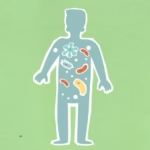
The gut microbiome is made up of millions of bacteria, viruses, fungi, and other microorganisms living in your intestines. While it may sound alarming to think about all these microbes, many of them are actually beneficial! They help digest food, produce essential vitamins, and protect us from harmful pathogens. A diverse microbiome is generally a sign of good health, while an imbalanced one can lead to digestive issues and other health problems.
Improving your gut microbiome typically involves fostering the growth of good bacteria while minimizing the bad ones. This can include making dietary changes, managing stress, and introducing probiotics or prebiotics into your routine. But remember, everyone’s gut is different, and what works for one person might not work for another. It’s all about personalizing your approach based on what feels right for your body.
Why Does this Happen?
When we talk about improving your gut microbiome, it’s often helpful to look at common factors that can influence gut health. One possible reason for an unhealthy microbiome could be poor dietary choices. Diets high in sugar and processed foods can harm the balance of gut bacteria. Another common factor is lack of physical activity, which studies suggest can negatively affect gut diversity.
In addition, stress and sleep patterns play a role, high stress levels can disrupt gut health, just like not getting enough restful sleep. Research suggests that chronic stress can lead to inflammation and reduced diversity in gut bacteria. It’s also interesting to note that medications like antibiotics can dramatically change the microbial landscape, sometimes leading to digestive issues. Maintaining a balanced lifestyle that includes good nutrition, regular exercise, and stress management can help nurture a healthier gut microbiome.
Common Causes
Several factors can contribute to an imbalanced gut microbiome. Here are some potential causes:
- Diet: Consuming lots of sugar, refined carbs, and processed foods may promote harmful bacteria. When you include more fiber-rich fruits, vegetables, and whole grains, you feed the healthy bacteria.
- Lack of Exercise: A sedentary lifestyle can reduce gut diversity. Try incorporating regular physical activity into your routine; it may support a healthier gut.
- Stress and Sleep: Chronic stress and poor sleep can impact gut health. Consider mindfulness practices like yoga or meditation to manage stress levels and improve sleep quality.
- Medications: Overuse of antibiotics can wipe out beneficial bacteria in your gut, leading to imbalance. Always consult a healthcare professional before making any changes to medication.
Signs and Symptoms to Watch For
Recognizing the signs of an imbalanced gut microbiome can help you take action sooner. Common symptoms include:
- Bloating, gas, or discomfort after meals
- Frequent diarrhea or constipation
- Fatigue or sleep disturbances
- Food intolerances that develop suddenly
While some occasional symptoms may not be cause for alarm, persistent or worsening symptoms might require you to reach out to a healthcare professional. Listening to your body is key in understanding when it’s time to seek help.
What Can Make it Worse?

Improving gut health can be hindered by a few lifestyle choices and habits. Some common contributors include:
- Poor Diet: Continually choosing processed foods over whole, nutrient-rich foods can degrade gut health over time.
- Insufficient Hydration: Not drinking enough water can impact digestion and overall health. Aim to stay hydrated throughout the day.
- High Stress Levels: Chronic stress can take a toll on the gut. Consider activities that help reduce tension, like gentle exercise or relaxation techniques.
- Lack of Sleep: Poor sleep could lead to digestive issues. Strive for consistent, good-quality sleep each night.
- Substance Use: Smoking and excessive alcohol can harm gut flora. Moderation is important if you choose to consume these substances.
Foods and Drinks Related to the Topic
Some foods can help improve your gut microbiome, while others may not have the same effect. Here are a few recommendations:
- Fiber-Rich Foods: Fruits, vegetables, legumes, and whole grains can promote the growth of good bacteria. Try to include a variety of these in your meals.
- Probiotic Foods: Fermented foods like yogurt, kefir, sauerkraut, and kombucha may introduce beneficial bacteria to your gut. They can be a tasty addition to your diet!
- Prebiotic Foods: Foods like garlic, onions, asparagus, and bananas provide food for good gut bacteria, helping them thrive.
- Avoid High Sugar and Processed Foods: Limit sugary snacks and processed foods, as these can harm gut health.
It’s important to remember that everyone’s gut is different; what may benefit one person might not work for another. Keeping a food diary can be helpful in identifying how certain foods affect you personally.
What Can We Do?
Here are some practical steps you can take to improve your gut microbiome:
- Eat a Diverse Range of Foods: Including a variety of foods can lead to a more diverse microbiome. Think colorful veggies, different fruits, grains, and protein sources.
- Incorporate More Probiotics: Adding fermented foods or taking a probiotic supplement might help boost beneficial bacteria.
- Stay Hydrated: Aim for at least 8 cups (64 ounces) of water daily. Hydration supports digestion and the health of your gut.
- Limit Stress: Incorporate stress-reducing activities into your daily routine. Even simple practices like deep breathing can have positive effects.
- Get Regular Exercise: Aim for 30 minutes of moderate activity most days. Movement can help boost gut health.
- Prioritize Sleep: Set a bedtime routine that promotes better sleep. This can help prevent disruptions in gut health.
When Should You See a Doctor?
If you notice severe or persistent symptoms like extreme bloating, changes in bowel habits, blood in stool, unexplained weight loss, or prolonged fatigue, it’s important to consult a healthcare professional. While many gut issues can be managed with lifestyle changes, some may require medical intervention and care.
Frequently Asked Questions
Why am I always feeling bloated?
Bloating can occur for several reasons, including diet, eating habits, or a potential imbalance in gut bacteria. Monitoring your diet and habits can provide insight into what might be causing this sensation.
Can food cause digestive issues?
Yes, certain foods can lead to digestive troubles, especially if you have sensitivities or intolerances. Keeping track of your meals might reveal patterns or triggers.
When should I worry about digestive issues?
If you experience persistent symptoms, such as significant discomfort, changes in bowel habits, or unusual weight loss, it’s advisable to seek medical advice.
How does stress affect my gut health?
High-stress levels can disrupt gut bacteria balance and contribute to digestive issues. Incorporating stress management techniques may help alleviate these effects.
What are the best foods for gut health?
Dietary fiber, probiotics, and prebiotics from fruits, vegetables, whole grains, and fermented foods can all support a healthy gut microbiome.
Can I take supplements to improve my gut microbiome?
Probiotic supplements may be beneficial, but it’s best to discuss this option with your healthcare provider to ensure they’re appropriate for you.
Is there a specific diet I should follow for gut health?
Focus on a balanced diet rich in fruits, vegetables, whole grains, and fermented foods rather than following extreme diets. Personalize your approach based on what you enjoy and how your body responds.
How long does it take to improve gut microbiome health?
Improvements can vary from person to person, but many people notice changes within weeks of making healthy dietary and lifestyle adjustments. Patience and consistency are key.
What the Research Says About How to Improve Your Gut Microbiome
There is a growing body of research on how dietary habits and lifestyle choices can impact gut health. Studies have shown that a diverse diet rich in fruits and vegetables promotes microbiome diversity (Harvard T.H. Chan School of Public Health). Furthermore, the *American Gastroenterological Association* highlights that regular physical activity may also enhance gut microbiome diversity.
Recent meta-analyses indicate that probiotic foods may help mitigate digestive issues and support overall gut health; however, more research is needed to determine the best strains for specific health outcomes (Cleveland Clinic). Overall, maintaining a balanced diet, reducing stress, and living actively appear to have the most consistent positive outcomes.
Simple Daily Habits That May Support Better Health
Improving your gut health doesn’t have to involve big changes; here are some small, daily habits that can make a significant difference:
- Start your day with a glass of water: Hydration is critical for digestion.
- Add a serving of vegetables to each meal: This helps get more fiber and nutrients into your diet.
- Practice mindful eating: Eating slowly and paying attention to your feelings of fullness can help promote better digestion.
- Take regular breaks from screens: Spend time outdoors or engaging in physical activities.
- Prioritize self-care: Dedicate a few minutes each day to activities that help you relax.
Final Thoughts
In conclusion, improving your gut microbiome is definitely a journey worth taking! By making small, consistent changes in your diet and lifestyle, you can foster a healthier environment for those beneficial microbes. It’s all about finding what work best for you and paying attention to how your body responds. Remember that everyone’s microbiome is unique, and it’s perfectly fine to reach out to healthcare professionals if you have questions or concerns.
As we continue to learn more about the gut and its impacts on health, it’s clear that taking care of our microbiome can lead to better overall well-being. If you notice any persistent symptoms, don’t hesitate to have a chat with a healthcare provider about your gut health. We’re all in this together, taking small steps towards happier and healthier lives!
Sources and References

National Institutes of Health: Gut Microbiome: What You Need to Know. 2023. https://www.nih.gov
Cleveland Clinic: Probiotics: What You Should Know. 2023. https://www.clevelandclinic.org
American Gastroenterological Association: The Role of the Gut Microbiome in Health. 2023. https://www.gastro.org
Harvard T.H. Chan School of Public Health: The Microbiome. 2023. https://www.hsph.harvard.edu
Mayo Clinic: The Gut Microbiome: How It Affects Your Health. 2023. https://www.mayoclinic.org
Medical Disclaimer
This article is for general educational and informational purposes only. It is not intended to provide medical advice, diagnosis, or treatment. Health conditions can affect people differently, and information that is appropriate for one person may not be appropriate for another. If you have persistent, severe, or concerning symptoms, speak with a qualified healthcare professional for personalized advice.
Further Reading
Ivf Shot Schedule: 10 Things You Should Know
Omeprazole and Alcohol: Is It Safe to Mix?
what does a growth spurt in pregnancy feel like
Photo by RDNE Stock project on Pexels.
Frequently Asked Questions
Are there specific times of day that are best for eating to improve gut health?
While research is ongoing, some studies suggest that maintaining regular meal times and avoiding late-night snacking may support your body's natural digestive rhythm. Consistency helps your gut manage its workload more efficiently. Focus on eating in a relaxed environment to aid digestion.
Can chewing food thoroughly affect my gut microbiome?
Yes, proper chewing is the first step of digestion. It breaks down food into smaller particles, making it easier for your gut bacteria to process nutrients. Taking your time to chew well can also prevent swallowing excess air, which helps reduce bloating.
Does caffeine impact the health of my gut bacteria?
Moderate coffee consumption has been linked to higher microbial diversity in some studies, but individual reactions vary. If you notice caffeine triggers digestive issues or heartburn, it may be best to limit your intake. Listen to how your body responds to your daily coffee habit.
Should I take a daily probiotic supplement if I eat fermented foods?
You may not need a supplement if your diet is already rich in fermented foods like yogurt or sauerkraut. Supplements are concentrated, but food provides a diverse range of nutrients and beneficial microbes. Always consult your doctor before starting any new supplement regimen.
The Bottom Line
Improving your gut microbiome is a gradual journey centered on nourishing your body with whole foods and healthy habits. By prioritizing fiber, hydration, and stress reduction, you create the ideal environment for your internal ecosystem to thrive. Remember that your health is unique, so listen to your body and seek professional guidance for any persistent concerns.