





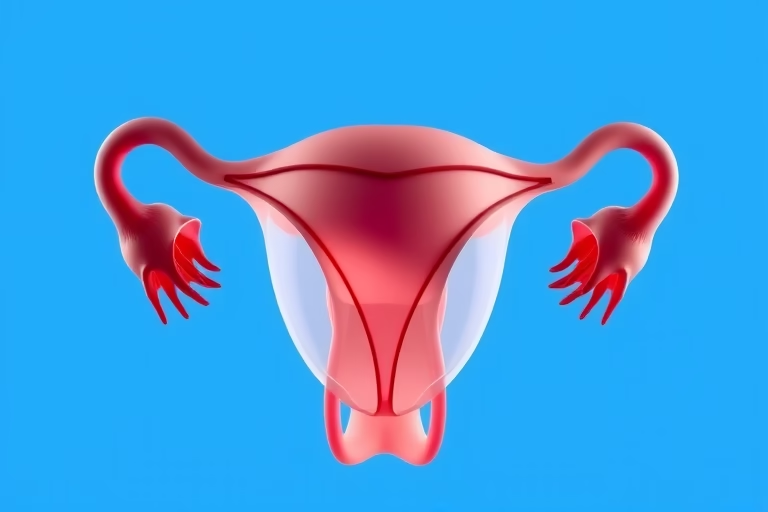
In this article, we will be talking about how to reduce fluid in the uterus during IVF. Accumulation of excess fluid in the uterus can be concerning for individuals undergoing in vitro fertilization (IVF) as it could impact the implantation of an embryo. Understanding the reasons behind this condition and knowing how to address it is crucial for those looking to expand their families through assisted reproductive technologies.
Fluid in the uterus, known as uterine fluid accumulation or endometrial fluid, can occur for various reasons, including hormonal changes, infections, or structural abnormalities. It is particularly relevant for women undergoing IVF, as fluid can interfere with embryo implantation, potentially leading to unsuccessful cycles. Managing this fluid accumulation is critical for optimizing the chances of a successful pregnancy. Understanding the underlying causes and adopting effective strategies to reduce fluid can significantly enhance the overall IVF experience and outcomes.
Understanding Fluid Accumulation in the Uterus
Fluid accumulation in the uterus during IVF raises several concerns. It can lead to complications in embryo implantation and create confusion during initial assessments of the uterus’ condition. It is important to identify possible causes such as hormonal imbalances or infections, which commonly contribute to this condition.
Hormonal fluctuations can occur during various phases of the menstrual cycle and may result in abnormal fluid retention. An infection in the reproductive tract can create an inflammatory response that results in fluid buildup. Structural anomalies such as polyps, fibroids, or congenital malformations may also play a significant role in this issue as they can obstruct the normal drainage of fluid.
Healthcare providers often use ultrasound imaging to monitor fluid levels in the uterus. In cases where fluid accumulation is detected, a healthcare provider may recommend interventions such as medications, lifestyle changes, or even surgical procedures to facilitate the reduction of fluid prior to embryo transfer.
Common Causes of Uterine Fluid Buildup
Several factors play a role in the accumulation of fluid in the uterus. Recognizing these elements is the first step toward managing and responding effectively to this condition.
1. __Hormonal Imbalances__: Hormonal irregularities can lead to improper fluid management within the uterus. The estrogen and progesterone levels impact the characteristics of the uterine lining, influencing fluid retention.
2. __Infections__: Infections of the uterus, cervix, or pelvic region can trigger inflammatory responses leading to fluid buildup. Conditions like pelvic inflammatory disease (PID) may cause excess fluid accumulation.
3. __Structural Issues__: Conditions such as uterine polyps or fibroids can obstruct normal fluid flow. Understanding the nature of these growths is critical for managing fluid accumulation effectively.
4. __Post-Surgical Changes__: For those who have undergone previous surgeries or procedures, scar tissue and changes in the uterine anatomy may contribute to fluid retention.
Awareness of these causes aids in proactive management and allows for tailored treatment plans that encompass both medical and surgical approaches.
Testing and Diagnosis Methods
To determine the presence of fluid in the uterus, various diagnostic methods are employed. Each method offers insights into the uterus’ condition and guides treatment protocols.
1. __Ultrasound__: A transvaginal ultrasound is the most common method. It allows healthcare providers to visualize the uterus and identify any fluid accumulation.
2. __Hysteroscopy__: This procedure involves inserting a small camera into the uterus, providing a direct view of the uterine cavity. Hysteroscopy can determine if structural issues contribute to fluid buildup.
3. __MRI__: In some cases, magnetic resonance imaging may be used for a more detailed observation of the uterus and surrounding tissues.
4. __Blood Tests__: Hormonal evaluations through blood tests may identify any underlying hormonal imbalances that contribute to fluid retention.
Each method has its advantages and informs the best course of action for treatment and management to ensure a positive outcome for IVF patients.
Natural Remedies to Reduce Uterine Fluid
Natural remedies can provide additional support to help reduce fluid in the uterus, promoting overall reproductive health. Here are some effective approaches you can consider:
Discussing natural remedies with your healthcare provider is advisable to ensure these strategies align with individual health conditions and fertility goals.
Medical Interventions for Fluid Reduction
If natural remedies do not adequately address fluid accumulation, medical interventions may be necessary. Healthcare professionals have several options available:
1. __Medications__: Anti-inflammatory medications or hormonal treatments may be prescribed to address any underlying hormonal imbalances or infections.
2. __Surgical Procedures__: In some instances, surgical interventions may be required to correct structural abnormalities leading to fluid accumulation, such as the removal of polyps or fibroids.
3. __Drainage Procedures__: In severe cases, procedures to drain excess fluid might be considered to create a healthier environment for implantation.
4. __Follow-Up Monitoring__: Continuous monitoring helps evaluate the uterus’ response to treatment and identify any subsequent interventions needed.
Working closely with a healthcare team for tailored medical interventions can contribute to achieving optimal results during IVF treatments.
Emotional and Psychological Support
The journey through IVF can be emotionally taxing, especially when challenges like uterine fluid arise. It is essential to seek support from various sources:
1. __Therapists or Counselors__: Professional guidance can assist individuals and couples in navigating the emotional complexities of IVF treatments.
2. __Support Groups__: Joining support groups with individuals who share similar experiences can foster a sense of community and understanding.
3. __Mindfulness Practices__: Techniques such as yoga, meditation, and mindfulness can help reduce stress and promote mental well-being during the IVF journey.
4. __Open Communication__: Maintain transparent communication with your partner and healthcare providers, which may reduce anxiety and provide clarity in the treatment process.
Ensuring emotional well-being is vital for managing the stressors associated with IVF, and it can significantly contribute to the overall success of the process.
Final Thoughts
Fluid accumulation in the uterus during IVF is a condition that requires attention and understanding. From identifying potential causes to implementing effective solutions, knowledge is the first step toward managing this concern. Through dietary changes, natural remedies, medical interventions, and emotional support, individuals can create an environment conducive to successful embryo implantation.
The journey through IVF is unique for each individual or couple, and being aware of the potential challenges is vital. Many patients have successfully navigated similar paths by educating themselves, seeking appropriate guidance, and utilizing both natural and medical options.
Ultimately, collaborating closely with a healthcare team, maintaining a supportive environment, and actively participating in personal health can greatly enhance the IVF experience. As research continues to evolve, advancements in understanding reproductive health provide hope and empowerment to those facing challenges with fluid accumulation in the uterus.
Frequently Asked Questions
1. What causes fluid accumulation in the uterus during IVF?
Fluid accumulation can result from hormonal imbalances, infections, or structural issues such as fibroids or polyps.
2. How can I naturally reduce fluid levels in my uterus?
You can consider dietary changes, herbal supplements, regular exercise, and maintaining hydration to support hormonal balance and fluid regulation.
3. When should I seek medical help for uterine fluid accumulation?
If you notice persistent symptoms or if excess fluid is detected during IVF, it is essential to consult with your healthcare provider for comprehensive evaluation and treatment.
4. Are there any specific tests to diagnose fluid in the uterus?
Common diagnostic methods include transvaginal ultrasound, hysteroscopy, MRI, and blood tests for hormonal evaluation.
5. How does emotional health impact the IVF journey?
Emotional well-being plays a significant role in IVF success. Seeking support through therapy, support groups, and mindful practices can improve mental health during the process.
Further Reading
What Type of Psychotherapy Is Best for Anxiety?