





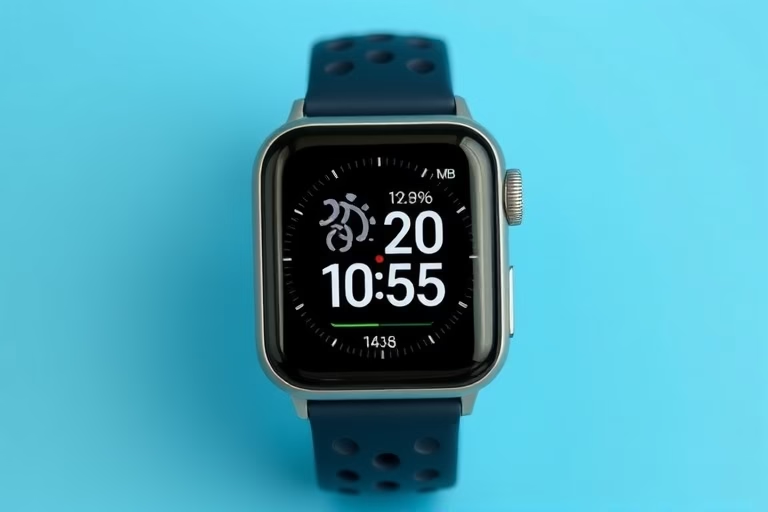
We will be talking about how to set up blood pressure on Apple Watch. Blood pressure monitoring is crucial for maintaining optimal health. High blood pressure, or hypertension, can lead to severe health issues such as heart disease, stroke, and kidney problems. The Apple Watch has integrated health technology that allows users to monitor their blood pressure conveniently. By setting up this feature on your Apple Watch, you can keep track of your blood pressure readings and make necessary lifestyle adjustments. In this article, we will guide you through the process of setting up blood pressure monitoring on your Apple Watch and provide additional tips to maintain a healthy blood pressure.
Understanding Blood Pressure and Its Importance
Blood pressure measures the force of blood against the walls of your arteries. It is represented by two numbers: systolic (the pressure when your heart beats) and diastolic (the pressure when your heart rests between beats). Maintaining a normal blood pressure range is essential for overall health. Normal blood pressure is generally considered to be around 120/80 mmHg. When blood pressure rises above normal levels, it can lead to various health complications, making monitoring it vital for both individuals with existing health issues and those striving for a healthy lifestyle.
Why Use an Apple Watch for Blood Pressure Monitoring?
Using an Apple Watch for blood pressure monitoring offers convenience and accessibility. The Apple Watch integrates seamlessly with health apps that enable users to track their health metrics without complicated setups. By collecting data over time, the watch can provide valuable insights into trends and fluctuations in your blood pressure, allowing for better management of your health. Furthermore, the watch can remind you to take readings regularly, ensuring that you stay on top of your health goals.
How to Set Up Blood Pressure Monitoring on Apple Watch
Setting up blood pressure monitoring on your Apple Watch involves a few steps. First, ensure your Apple Watch is compatible with the feature. Models that support blood pressure readings require an app that can facilitate this, such as Heart Rate Monitoring apps that sync with third-party devices. Begin by downloading an appropriate app from the App Store, such as Omron, which pairs with blood pressure cuffs. If you want to track your data on the Health app, allow the app to access your Health data, making sure to follow any instructions provided by the app for syncing with your watch. Once set up, ensure your Apple Watch and compatible blood pressure cuff are connected via Bluetooth.
Using Blood Pressure Cuffs with Apple Watch
To accurately measure blood pressure with Apple Watch, you usually need to pair it with a blood pressure cuff. It’s essential to choose a cuff that is compatible with your watch and provides accurate readings. Follow the manufacturer’s instructions for calibration and setup. You’ll need to ensure that the cuff fits properly on your upper arm for the best accuracy. After you’ve paired the cuff with your watch, you can take periodic measurements directly from your wrist, allowing you to monitor your blood pressure conveniently.
Syncing Blood Pressure Data with the Health App
The Apple Health app is a powerful tool that aggregates your health metrics, including blood pressure readings. Ensure you have the necessary permissions set up so that your blood pressure app uploads data to the Health app automatically. This can include setting reminders to log readings or syncing readings taken with a blood pressure cuff. Regularly reviewing this data can help identify any concerning trends, making it easier to address potential health issues early.
Interpreting Blood Pressure Readings
Understanding blood pressure readings is essential to manage your health effectively. Systolic pressure indicates the force of blood on artery walls when the heart beats, while diastolic pressure measures it when the heart is resting. Readings under 120/80 mmHg are considered normal, while anything from 120-139 systolic and 80-89 diastolic signals elevated blood pressure. Once readings surpass 140/90 mmHg, they indicate hypertension, warranting lifestyle adjustments or medical consultation. Regular monitoring via your Apple Watch and noting any changes in your readings can help in managing your blood pressure proactively.
Tips for Maintaining Healthy Blood Pressure
Maintaining healthy blood pressure requires a balanced approach, including regular exercise, a low-sodium diet, and stress management. Eating plenty of fruits and vegetables, reducing processed foods, and staying hydrated are crucial components. Consider incorporating physical activities, such as walking or swimming, into your daily routine. Additionally, ensure you get enough sleep and practice relaxation techniques such as yoga or meditation. These lifestyle habits can significantly influence your blood pressure readings and overall health when used in combination with your Apple Watch tracking.
When to Seek Medical Advice
While monitoring your blood pressure with an Apple Watch is beneficial, it’s also essential to consult a healthcare provider for any concerning readings. If you notice consistently elevated blood pressure levels or experience symptoms such as headaches, dizziness, or shortness of breath, reach out to a medical professional. Regular check-ups and discussions about your blood pressure readings can help you stay informed about your health and receive guidance in managing any issues that arise.
Additional Features of the Apple Watch Related to Heart Health
The Apple Watch offers various features related to heart health beyond blood pressure monitoring. These include heart rate notifications, ECG capabilities, and activity tracking. By using these features together, you can get a comprehensive understanding of your cardiovascular health. It’s essential to familiarize yourself with these capabilities to make the most of your Apple Watch as a health management tool.
Final Remarks on Blood Pressure Management
In summary, monitoring blood pressure with your Apple Watch can significantly enhance your health management strategy. By setting up blood pressure monitoring, syncing it with the Health app, and understanding your readings, you take proactive steps toward maintaining your health. Remember, it’s not just about tracking numbers; it’s about making informed lifestyle choices that contribute to your overall wellbeing. Regular usage of the Apple Watch’s features can lead to better health outcomes and more significant awareness of your body’s needs. Stay active, eat well, and keep monitoring, and let your Apple Watch guide you on your journey to optimal health.
Frequently Asked Questions
1. Can my Apple Watch measure blood pressure directly?
No, the Apple Watch cannot measure blood pressure directly. It requires a compatible blood pressure cuff to take readings accurately.
2. How often should I check my blood pressure on Apple Watch?
It’s advisable to check your blood pressure regularly, at least once a week, or as recommended by your doctor, especially if you have existing health conditions.
3. How do I know if my blood pressure readings are accurate?
Ensure your blood pressure cuff is well-fitted and calibrated according to the manufacturer’s instructions. Regularly compare readings with those taken at a healthcare provider’s office.
4. What should I do if my blood pressure readings are high?
If your readings are consistently high, consult your healthcare provider for further evaluation and recommendations for lifestyle changes or medication.
5. Can the Apple Watch help with tracking other health metrics?
Yes, the Apple Watch can track various health metrics, including heart rate, ECG, and physical activity, providing a comprehensive view of your overall health.
Further Reading
What Type of Psychotherapy Is Best for Anxiety?