Key Takeaways
- Minoxidil is a topical treatment for hair loss.
- Apply minoxidil directly to the scalp twice daily.
- Be patient; results can take several months to appear.
- Consult a healthcare professional for personalized advice.
If you’re grappling with hair loss, you may have come across minoxidil as a potential solution. Knowing how to use minoxidil effectively can help you maximize its benefits. This guide will provide you with clear, practical instructions on how to apply this topical treatment, what to expect, and essential tips for achieving the best results.
Minoxidil is an over-the-counter topical medication often used to treat androgenetic alopecia, also known as male or female pattern baldness. It works by stimulating hair follicles, promoting hair growth, and slowing down hair loss. However, to reap its benefits, proper application and adherence to guidelines are crucial.
This comprehensive guide will walk you through the steps to apply minoxidil, the science behind it, possible side effects, and more. Whether you are a first-time user or looking for ways to optimize your use of minoxidil, this article is designed to empower you with the knowledge you need.
What is Minoxidil?
Minoxidil is a topical medication that was originally developed as an oral treatment for high blood pressure. However, researchers discovered that it had the side effect of promoting hair growth. As a result, it was reformulated into a topical solution for treating hair loss.
Available in liquid and foam formulations, minoxidil is commonly used to stimulate hair growth in both men and women. It works by increasing blood flow to hair follicles, which can revitalize shrunken hair follicles, increase their size, and prolong the growth phase of hair.
While minoxidil can be effective, it’s important to note that it does not work for everyone. The effectiveness can vary based on factors such as the cause of hair loss, the duration of use, and individual response to the treatment.
How to Apply Minoxidil
Applying minoxidil properly is key to achieving the desired results. Here are the steps to follow:
- Start with Clean Hair and Scalp: Ensure your hair and scalp are clean and dry before application. Wash your hair as usual and let it dry completely.
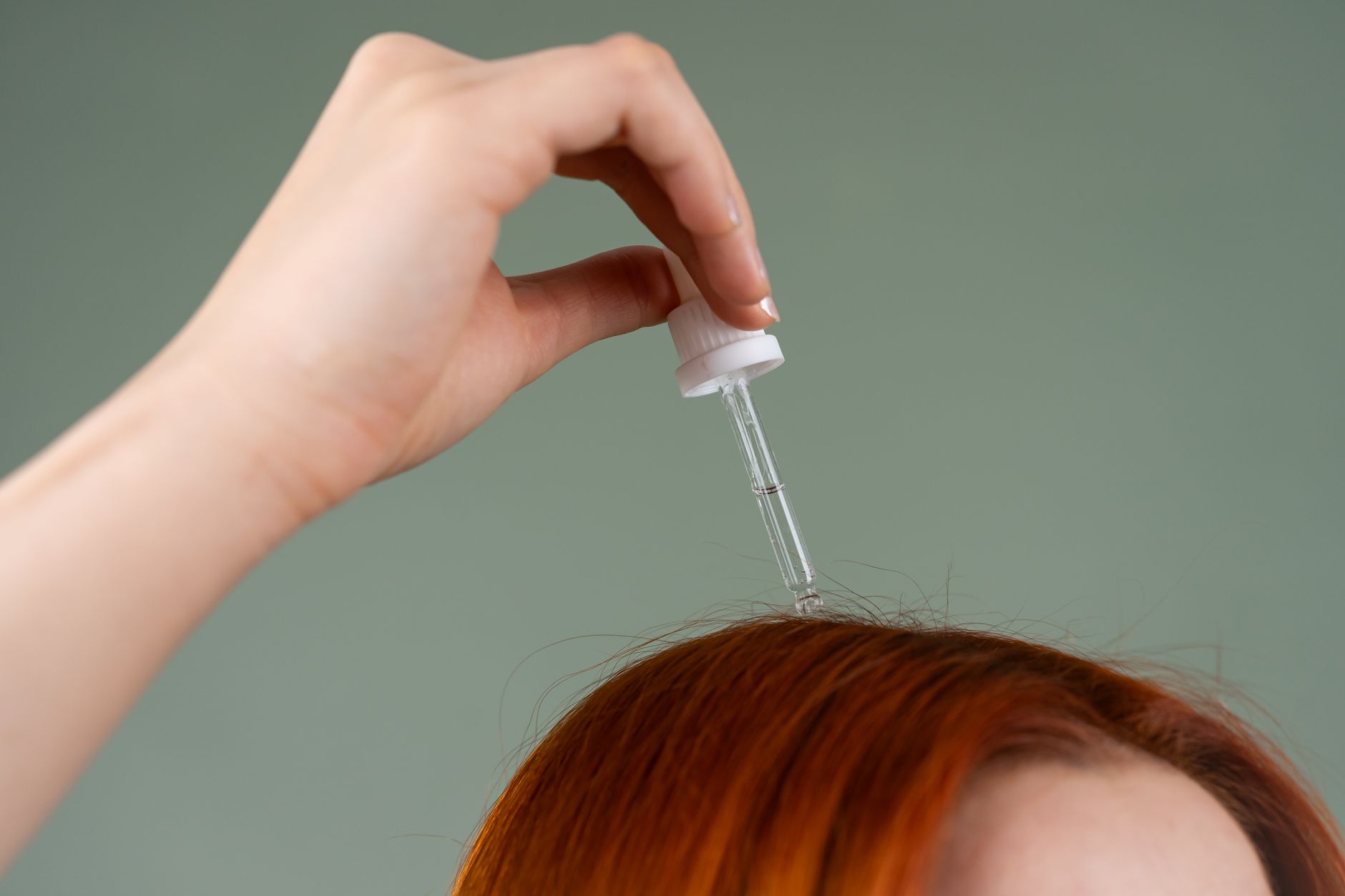
- Measure the Correct Dose: Use the dropper or foam applicator provided with the product. If using the liquid form, fill the dropper to the marked line, usually 1 milliliter (mL). For the foam, dispense half a capful.
- Apply Minoxidil: For liquid, part your hair to expose the scalp and apply the solution directly to the area of hair loss. For foam, similarly, part your hair and apply the foam directly onto the scalp.
- Spread Evenly: Gently massage the solution into your scalp with your fingers to ensure it spreads evenly over the affected area. Avoid using excessive force to prevent irritation.
- Wash Your Hands: After applying minoxidil, wash your hands thoroughly with soap and water to avoid accidentally spreading the medication to other areas.
- Let It Dry: Allow the minoxidil to dry completely before using any hair styling products or going to bed. This usually takes about 2 to 4 hours.
Consistency is key when using minoxidil. It is generally recommended to apply the medication twice daily, ideally in the morning and evening. Skipping applications or not applying enough can reduce its effectiveness.
Understanding the Science Behind Minoxidil
Minoxidil’s primary function is to enhance blood circulation to hair follicles, which is essential for hair growth. By improving blood flow, minoxidil delivers more nutrients and oxygen to hair follicles, stimulating growth and potentially increasing the size of the follicles.
Additionally, minoxidil extends the anagen phase of the hair growth cycle. The hair growth cycle consists of three phases:
- Anagen Phase: The active growth phase where hair follicles produce new hair.
- Catagen Phase: A transitional phase where hair growth slows down and follicles shrink.
- Telogen Phase: The resting phase where hair falls out and new hair begins to grow.
By prolonging the anagen phase, minoxidil helps more hair to be in the growth stage at the same time, which can lead to denser and thicker hair over time.
Expectations and Timeframe for Results
Understanding what to expect when using minoxidil is crucial for managing your expectations. Most users begin to notice some initial hair shedding within the first few weeks of use. This can be alarming, but it is often a sign that the medication is working to stimulate new hair growth.
Here’s a general timeline of what to expect:
| Timeframe | Expected Outcome |
|---|---|
| Weeks 1-4 | Initial shedding may occur; new hair growth may not yet be visible. |
| Weeks 6-12 | New hair may begin to appear, typically fine and light in color. |
| 3-6 Months | Hair should start to thicken and darken; visible improvements in hair density. |
| 6-12 Months | Optimal results; significant improvement in hair growth and density. |
It’s important to note that results can vary widely among individuals. Some may experience significant hair regrowth, while others may see limited results. Patience and consistent application are key factors in achieving the best outcome.
Potential Side Effects of Minoxidil
While minoxidil is generally considered safe for most users, it can cause side effects in some individuals. Common side effects include:
- Scalp Irritation: Some users may experience dryness, itching, or redness at the application site.
- Unwanted Facial Hair Growth: In rare cases, minoxidil may cause hair to grow in unintended areas, such as the face.
- Dizziness or Lightheadedness: Some individuals may feel dizzy after applying minoxidil, particularly if they stand up quickly.
If you experience severe side effects, such as chest pain, rapid heartbeat, or swelling in the hands or feet, it’s important to seek medical attention immediately. Always consult your doctor if you have concerns about potential side effects or if your body reacts unusually to the treatment.
Tips for Optimizing Minoxidil Use
To get the most out of your minoxidil treatment, consider the following tips:
- Be Consistent: Stick to a regular application schedule. Set reminders if necessary.
- Avoid Washing Hair Immediately: After applying minoxidil, try not to wash your hair for at least 4 hours to allow the medication to penetrate effectively.
- Use as Directed: Follow the instructions on the product label and do not exceed the recommended amount.
- Monitor Progress: Keep a record of your hair growth progress, as this can help motivate you and provide insight into the treatment’s effectiveness.
- Consult a Professional: If you have questions or concerns about using minoxidil, don’t hesitate to reach out to a healthcare provider for personalized advice.
Minoxidil and Hair Types
Understanding Different Hair Types
Different hair types can respond variably to minoxidil treatment. It is essential to recognize that the effectiveness of minoxidil may differ based on your hair’s texture, thickness, and growth pattern. For instance, individuals with fine or thinning hair may notice a different rate of hair regrowth compared to those with coarser hair.
Fine hair may be more responsive to minoxidil as it typically requires less stimulation for growth. In contrast, thicker hair may provide a more substantial barrier to absorption, potentially requiring a different approach or formulation of minoxidil.
- Fine Hair: More likely to respond positively; may require less time to see results.
- Coarse Hair: May need a longer duration for minoxidil to penetrate effectively.
- Curly Hair: Curl patterns may affect the distribution of minoxidil on the scalp.
Minoxidil for Different Types of Hair Loss
Minoxidil is commonly used for androgenetic alopecia, but its use extends to various types of hair loss. Recognizing the type of hair loss can help tailor treatment effectively. Conditions such as alopecia areata, telogen effluvium, and traction alopecia can influence how minoxidil should be used.
For example, in cases of alopecia areata, minoxidil may be used alongside corticosteroids to enhance results. In contrast, those suffering from telogen effluvium may see improvement once the underlying cause of hair shedding is resolved, making the minoxidil application more effective.
- Androgenetic Alopecia: Most common; responds well to minoxidil.
- Alopecia Areata: May require combined therapy for optimal results.
- Telogen Effluvium: Use can be effective once the trigger is addressed.
Considerations for Ethnic Hair
Cultural and ethnic differences can also impact hair texture and growth patterns, which may influence minoxidil’s effectiveness. For instance, African American hair often has a unique structure that may require special attention during treatment.
Research indicates that individuals with textured hair might need to be more diligent in ensuring proper scalp hydration and may benefit from using additional moisturizing products alongside minoxidil to maintain hair health.
- Scalp Care: Regular moisturizing can enhance minoxidil absorption.
- Gentle Handling: Avoid harsh treatments that may compound hair loss.
- Monitoring: Track any changes in hair growth patterns to adjust treatment.
Minoxidil and Lifestyle Factors
The Impact of Diet on Hair Growth
Your diet plays a crucial role in hair health, and understanding this relationship can help optimize minoxidil use. Nutrients like proteins, vitamins, and minerals contribute to the hair growth cycle and overall scalp health.
Incorporating foods rich in omega-3 fatty acids, antioxidants, and vitamins A, C, D, and E can support hair growth. Foods such as fatty fish, nuts, leafy greens, and avocados may enhance the efficacy of minoxidil when included as part of a balanced diet.
- Protein: Essential for hair structure; include chicken, fish, legumes.
- Vitamins: B vitamins support overall hair growth.
- Minerals: Zinc and iron are critical for maintaining healthy hair.
Stress Management and Hair Loss
Chronic stress can exacerbate hair loss, potentially diminishing the effectiveness of minoxidil. Stress can trigger conditions like telogen effluvium, where hair falls out in response to stressors. Implementing stress management techniques can help mitigate hair loss and enhance treatment outcomes.
Methods such as mindfulness, yoga, and regular exercise can reduce stress levels. Additionally, ensuring adequate sleep and engaging in hobbies can contribute positively to mental well-being and, in turn, support hair health.
- Mindfulness Practices: Meditation and deep breathing can lower stress.
- Physical Activity: Regular exercise can improve mood and reduce stress.
- Healthy Sleep: Aim for 7-9 hours of quality sleep each night.
Environmental Factors Affecting Hair Health
Environmental factors such as pollution, UV exposure, and harsh weather conditions can adversely affect hair and scalp health. These elements can weaken hair strands and irritate the scalp, potentially reducing minoxidil’s effectiveness.
Protecting your hair from environmental stressors is essential. Wearing hats in sunny conditions, using protective hair products, and incorporating regular scalp care routines can improve the scalp’s condition and enhance the effects of minoxidil.
- Pollution Protection: Rinse your hair after exposure to pollutants.
- UV Protection: Use hair products with UV filters.
- Moisturizing: Hydrate the scalp regularly to combat dryness.
Minoxidil and Genetic Factors
The Role of Genetics in Hair Loss
Your genetic predisposition plays a significant role in the likelihood and pattern of hair loss. Understanding your family history can provide insights into how minoxidil may work for you. Genetic factors can influence hair follicle sensitivity to hormones, which is critical in androgenetic alopecia.
If your parents or siblings have experienced male or female pattern baldness, you may be more likely to face similar issues. Recognizing this can help set realistic expectations when using minoxidil.
- Family History: Documenting hair loss patterns in your family can be insightful.
- Genetic Testing: Consider genetic counseling if hair loss is a concern.
- Hormonal Sensitivity: Understanding this can guide treatment strategies.
Research on Genetic Influences and Treatment Response
Recent studies have indicated that genetic variations can affect individual responses to minoxidil. Certain genetic markers may predict better outcomes or increased side effects, making personalized treatment approaches more feasible.
Being aware of these genetic factors can help tailor minoxidil use effectively, potentially leading to improved results. Consulting with a healthcare provider about genetic testing for hair loss may provide additional insights.
- Response Variability: Understand that not everyone reacts the same way to minoxidil.
- Consultation: Discuss genetic factors with your healthcare provider.
- Personalization: Adjust treatment based on genetic insights for better outcomes.
Future Directions in Genetic Research for Hair Loss Treatments
As research advances, future treatments for hair loss may increasingly focus on genetics, allowing for more tailored approaches. Understanding genetic predispositions can lead to the development of innovative therapies that complement minoxidil.
These advancements could include combining minoxidil with gene therapy or other medications that target specific genetic pathways related to hair growth deficiencies. Staying informed about these developments can empower individuals to make educated decisions regarding their hair loss treatment options.
- Innovative Therapies: Look for emerging treatments that may integrate genetic insights.
- Clinical Trials: Consider participating in studies focused on genetic responses to treatments.
- Stay Informed: Follow reputable sources for updates on future research.
Frequently Asked Questions
Can I use minoxidil if I have colored or treated hair?
Yes, you can use minoxidil on colored or treated hair. However, it’s best to apply it on a clean scalp without any styling products to ensure better absorption.
How long do I need to use minoxidil?
Minoxidil needs to be used continuously for the best results. If you stop using it, any new hair growth will likely be lost within a few months.
Is minoxidil effective for both men and women?
Yes, minoxidil is effective for both men and women. However, the formulations may differ, with specific concentrations recommended for each gender.
What should I do if I miss a dose?
If you miss a dose of minoxidil, apply it as soon as you remember. If it’s close to the time of your next dose, skip the missed dose and resume your regular schedule. Do not double the dose.
The Bottom Line
Minoxidil can be a valuable tool in the fight against hair loss, providing a way to stimulate hair growth and improve hair density. Understanding how to use minoxidil effectively, through proper application, managing expectations, and monitoring progress, can significantly enhance your experience with this treatment. Always consult a healthcare professional with any questions or concerns to ensure a safe and effective approach to hair restoration.
Note: This article is for general information only and is not medical advice. See a qualified health professional about your own situation.