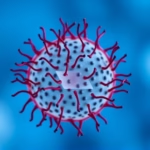
Today we will be talking about yeast infections, a common yet often misunderstood condition affecting millions of individuals worldwide. Yeast infections are primarily caused by an overgrowth of the Candida species, particularly Candida albicans. This fungus is naturally present in small amounts in the body, particularly in areas like the mouth, throat, gut, and vagina. However, certain factors can disrupt the delicate balance of microorganisms in the body, leading to an overgrowth that causes symptoms such as itching, irritation, and abnormal discharge.
The ICD-10 code for yeast infection is B37.9, which is designated for candidiasis, unspecified. Understanding this medical classification can aid in the documentation and treatment of this condition, helping healthcare providers ensure patients receive the appropriate care. In this article, we will cover various aspects of yeast infections, including their causes, symptoms, procedures for diagnosis, treatments, and preventative measures.
Understanding the Causes of Yeast Infections
Yeast infections can arise from a multitude of factors. These infections are often the result of an imbalance in the natural flora of the body, which is normally composed of diverse microorganisms, including yeast. When conditions favor the overgrowth of Candida, a yeast infection may occur. Some common causes include:
- Antibiotic Use: Antibiotics can eliminate the beneficial bacteria in your body that keep yeast levels in check, leading to an overgrowth of Candida.
- Hormonal Changes: Fluctuations in estrogen levels, often due to menstruation, pregnancy, or hormone replacement therapy, can create conditions favorable for yeast infections.
- Weakened Immune System: Individuals with compromised immune systems, such as those with HIV/AIDS or diabetes, may experience more frequent yeast infections.
- Uncontrolled Diabetes: High blood sugar levels can promote yeast growth, making this condition particularly relevant for diabetics.
- Moist Environments: Areas prone to moisture, such as warm, damp clothing or prolonged exposure to wet bathing suits, can encourage the growth of yeast.
Understanding these causes is crucial for prevention. By identifying risk factors, individuals can take proactive measures to minimize their chances of developing a yeast infection.
Recognizing the Symptoms of Yeast Infections
The symptoms of a yeast infection can vary, but they are typically quite uncomfortable and may include:
- Itching and Irritation: A common complaint, individuals often experience intense itching in the affected area.
- Unusual Discharge: This may include a thick, white discharge resembling cottage cheese, often accompanied by a slight odor.
- Pain During Intercourse: Discomfort or a burning sensation during sexual activity is another prevalent symptom.
- Redness and Swelling: Inflammation and redness in the affected area can indicate a severe infection.
It is important to note that while these symptoms can be indicative of a yeast infection, they may also resemble other conditions, such as bacterial vaginosis or sexually transmitted infections (STIs). Proper diagnosis by a healthcare professional is key to determining the appropriate treatment.
Diagnosis of Yeast Infections
Diagnosis of a yeast infection typically involves a thorough clinical assessment. A healthcare provider will evaluate the patient’s symptoms and medical history, often performing a physical examination, particularly for vaginal infections. In some cases, laboratory tests may be warranted:
- Microscopic Examination: A sample may be taken for examination under a microscope to confirm the presence of yeast.
- Culture Testing: Culturing the organism allows for identifying the specific strain of yeast, which can help tailor treatment options.
- pH Testing: A vaginal pH test can help differentiate between a yeast infection and bacterial vaginosis, as yeast infections typically do not affect pH levels significantly.
It is recommended that individuals seek medical attention if they experience recurrent symptoms or if over-the-counter treatments do not resolve the issue. Accurate diagnosis ensures that the individual receives the correct treatment while excluding other potential conditions.
Treatment Options for Yeast Infections
Fortunately, yeast infections are treatable and can often be resolved with the following options:
- Antifungal Medications: Over-the-counter or prescription antifungal medications, such as fluconazole (Diflucan), or topical treatments like clotrimazole (Lotrimin) and miconazole (Monistat), are effective in treating yeast infections.
- Home Remedies: Some individuals find relief using natural remedies, including probiotics, coconut oil, or garlic, though these should be approached carefully and discussed with a healthcare professional.
- Lifestyle Changes: Adhering to a balanced diet and maintaining proper hygiene practices can help prevent future infections.
While treatment can alleviate symptoms and eliminate the infection, it is equally important to address any underlying conditions, such as uncontrolled diabetes or antibiotic use, to prevent recurrence.
Preventing Yeast Infections
Prevention is key to minimizing the occurrence of yeast infections. Here are some strategies to consider:
- Wear Breathable Fabrics: Choose cotton underwear and avoid tight clothing that can trap moisture and create an environment for yeast to flourish.
- Maintain Good Hygiene: Regular washing of affected areas and avoiding scented products can help maintain a balanced flora.
- Avoid Antibiotics When Possible: Discuss with your healthcare provider the necessity of antibiotics and consider probiotic supplements during or after antibiotic treatment.
- Limit Sugar Intake: High sugar diets can exacerbate yeast overgrowth, making dietary modifications beneficial.
- Manage Hormonal Disruptions: For individuals affected by hormonal fluctuations, working with a healthcare provider can mitigate risks associated with yeast infections.
By following these guidelines, individuals can contribute to their overall health and minimize the likelihood of future infections.
Impact of Yeast Infections on Quality of Life
Yeast infections can significantly impact an individual’s quality of life, causing discomfort and affecting physical and emotional well-being. Symptoms may lead to:
- Interference with Daily Activities: Persistent itching and irritation can distract individuals at work or in personal situations.
- Affecting Relationships: Discomfort during intercourse can hinder intimacy and pressure the couple involved.
- Anxiety and Stress: The recurring nature of yeast infections can lead to psychological stress, especially if one is uncertain about the causes or how to manage it.
Understanding the implications of yeast infections is essential for individuals to seek timely treatment and support, connecting with healthcare professionals or support groups to share experiences and gain insight.
Complications Associated with Yeast Infections
Although straightforward in nature, untreated yeast infections can sometimes lead to complications, particularly in those with pre-existing health conditions:
- Recurrent Infections: Chronic yeast infections can be frustrating for patients, requiring ongoing therapy and lifestyle modifications.
- Systemic Candidiasis: In immunocompromised individuals, Candida can enter the bloodstream, leading to severe health issues, such as sepsis.
- Increased Risk of STIs: Symptoms of yeast infections can mimic other sexually transmitted infections, potentially leading to misdiagnosis and increased risk of further complications.
It is essential to act promptly upon experiencing symptoms to avoid these potential complications.
Seeking Help and Support for Yeast Infections
If you are dealing with a yeast infection or recurring symptoms, it is crucial to reach out to a healthcare provider. Support is not only finding treatment but also understanding lifestyle modifications and management strategies. Various resources are available:
- Healthcare Providers: Talk to your doctor, gynecologist, or a specialist who can provide personalized care and treatment options.
- Support Groups: Online communities or local support groups can help connect individuals with others experiencing similar challenges.
- Educational Resources: Scientific literature, patient education from healthcare providers, and reputable websites offer valuable information for understanding yeast infections.
Final Thoughts on Yeast Infections
In conclusion, yeast infections are a common concern for many individuals and can often be treated effectively. Understanding the underlying causes, symptoms, diagnosis, and treatment options is essential for managing this condition. By implementing preventative measures, individuals can significantly reduce the likelihood of recurrent infections. It’s crucial to seek medical advice for symptoms that persist or worsen. Discovering a supportive environment through healthcare providers and community resources can empower individuals to reclaim their health and well-being.
Frequently Asked Questions
1. What is the ICD 10 code for a yeast infection?
The ICD 10 code for yeast infection is B37.9, which refers to candidiasis, unspecified.
2. How can I prevent yeast infections?
You can prevent yeast infections by wearing breathable fabrics, maintaining proper hygiene, limiting sugar intake, and managing antibiotics and hormonal changes with your healthcare provider.
3. Can a yeast infection affect my sexual partner?
While yeast infections are not typically classified as sexually transmitted infections, they can be transmitted through sexual activity. It’s advisable for both partners to seek treatment if symptoms arise.
4. What home remedies are effective for treating yeast infections?
Some home remedies include probiotics, coconut oil, and garlic; however, it is essential to consult a healthcare provider before trying these methods.
5. When should I see a doctor?
You should see a doctor if you experience recurrent yeast infections, if symptoms are severe, or if over-the-counter treatments do not provide relief.
Further Reading
3.5 tog sleeping bag temperature guide
What Type of Psychotherapy Is Best for Anxiety?