





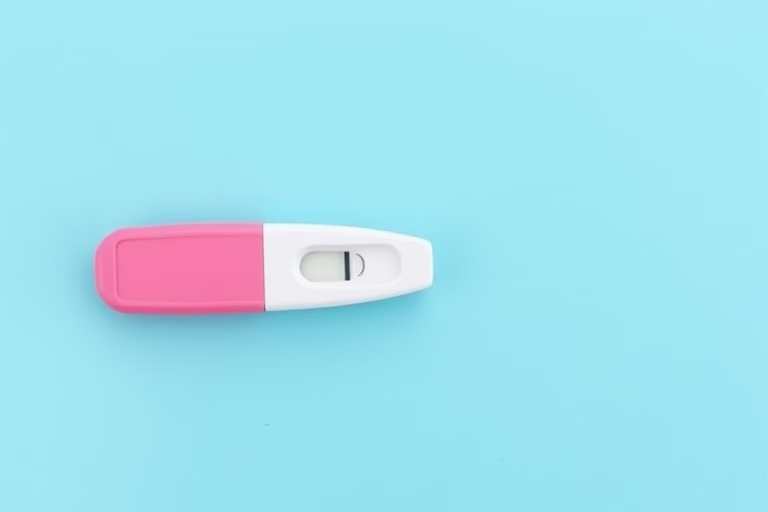
Understanding Implantation Bleeding and Pregnancy Test
When discussing implantation bleeding and taking a pregnancy test, it is crucial to define both terms clearly to understand their connection during early pregnancy. Implantation bleeding refers to the light spotting that occurs when a fertilized egg attaches itself to the lining of the uterus. This event typically happens around six to twelve days post ovulation and is often mistaken for a light menstrual period. In contrast, a pregnancy test detects the presence of the hormone hCG (human chorionic gonadotropin) in urine or blood. This hormone is produced shortly after implantation occurs, marking the early stages of pregnancy. Understanding the timing of implantation bleeding in relation to pregnancy tests can help women determine the most accurate time for testing to confirm a pregnancy.
Key Signs of Implantation Bleeding
Recognizing implantation bleeding can be vital for women who may be early in their pregnancy. It typically manifests as light pink or brown blood that differs from a regular menstrual cycle, which is usually bright red. Notably, implantation bleeding is often accompanied by other symptoms, including:
- Cramping: Mild cramping may occur alongside bleeding.
- Changes in breast sensitivity: Some women may notice their breasts feel tender or swollen.
- Fatigue: A woman may feel more tired than usual due to hormonal changes.
- Nausea: While not as common, some women report mild nausea.
Understanding these signs can help identify potential pregnancy, making it important for women to monitor their symptoms closely.
When to Take a Pregnancy Test
Timing is critical when taking a pregnancy test for accuracy. Ideally, one should wait until the first day of their missed period to achieve the most reliable results. This timing ensures that the hormone hCG has reached detectable levels in the body. If a woman experiences spotting or bleeding that she suspects might be implantation bleeding, waiting a few days before testing is often recommended. Testing too early can result in a false negative, leading to unnecessary confusion and anxiety.
Several types of pregnancy tests are available:
- Urine tests: These can be performed at home and are convenient; results are usually available in just a few minutes.
- Blood tests: Conducted at a healthcare facility, blood tests can detect pregnancy earlier than urine tests.
Women should also follow the directions provided with testing kits closely for best results.
Understanding Your Menstrual Cycle
A woman’s menstrual cycle plays a significant role in understanding both implantation bleeding and pregnancy testing. Each cycle typically ranges from 28 to 32 days and includes phases such as ovulation and menstruation. During ovulation, an egg is released and can become fertilized if sperm is present. This phase is crucial for conception but also impacts when implantation bleeding may occur.
It is important to track cycle lengths as it helps in predicting ovulation days, thus allowing for better timing in conception attempts. By marking the cycle on a calendar, women can determine fertile days, estimate ovulation, and consequently anticipate the timing of potential implantation bleeding. This awareness can further enhance the accuracy of pregnancy tests.
Distinguishing Implantation Bleeding from Menstrual Period
Understanding the differences between implantation bleeding and a regular menstrual period can alleviate confusion for many women. While both may present as bleeding, distinguishing factors include:
- Color: Implantation bleeding is often light pink or brown, while menstrual blood is usually bright red.
- Flow: Implantation bleeding is typically lighter and does not flow heavily.
- Duration: Implantation bleeding can last from a few hours to a few days, whereas periods usually last from three to seven days.
By recognizing these differences, women can better determine their reproductive health status and guide their decisions regarding pregnancy testing.
Emotional and Physical Impact of Early Pregnancy Signs
Facing potential early signs of pregnancy, including implantation bleeding, can evoke various emotional responses. Women may experience excitement, anxiety, or confusion while also dealing with physical changes in their bodies. Emotional support is crucial during this time as partners, family, or friends can positively impact mental well-being. Consulting healthcare professionals can provide clarity and reassurance, further assisting women in managing their experiences.
Additionally, embracing self-care practices such as mindfulness, meditation, and physical exercise can ease emotional strain and promote overall health during this period of uncertainty.
Next Steps After Implantation Bleeding
If a woman experiences what she believes to be implantation bleeding, several steps can follow:
- Track Symptoms: Keeping a log of bleeding and accompanying symptoms can help provide clarity when consulting with healthcare professionals.
- Take a Pregnancy Test: Following appropriate timing, conducting a pregnancy test can determine if pregnancy is confirmed.
- Consult a Healthcare Provider: If pregnancy is confirmed or further questions arise, seeking medical advice becomes necessary for proper care.
Taking these steps can provide a clearer pathway ahead, allowing women to address their health needs during this early stage of pregnancy.
Final Thoughts
In conclusion, understanding the relationship between implantation bleeding and taking a pregnancy test is crucial for women who think they might be pregnant. Knowing the signs of implantation bleeding, when to take a pregnancy test, and how to differentiate it from a regular menstrual period can significantly impact a woman’s experience in early pregnancy. Keeping track of menstrual cycles and being aware of emotional and physical changes are essential steps that can empower women in their reproductive health journey.
Getting familiar with these concepts may reduce confusion and anxiety regarding pregnancy tests while enhancing overall knowledge of reproductive health. Engaging support systems and knowing when to consult medical professionals can further enhance care and understanding.
Frequently Asked Questions
- What color is implantation bleeding? – Implantation bleeding is usually light pink or brown.
- How long does implantation bleeding last? – Implantation bleeding typically lasts a few hours up to a few days.
- Can a pregnancy test detect pregnancy during implantation bleeding? – It is best to wait a few days after implantation bleeding to take a pregnancy test for accurate results.
- Is cramping normal with implantation bleeding? – Mild cramping can accompany implantation bleeding.
- When should I see a doctor after experiencing implantation bleeding? – If you have concerns or experience heavy bleeding, it is wise to consult a healthcare provider.
Further Reading
What Type of Psychotherapy Is Best for Anxiety?