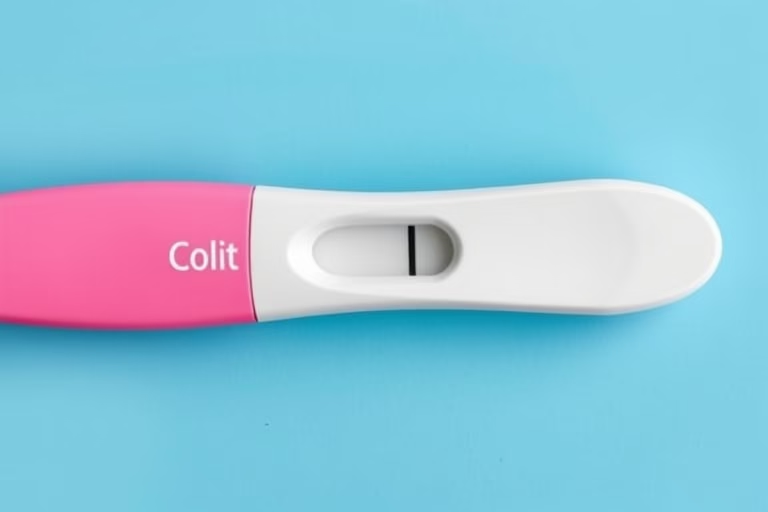
Understanding Implantation Bleeding
Pregnancy can be an exciting yet confusing time, especially when it comes to understanding the signs and symptoms that indicate conception. One of those signs is implantation bleeding, which occurs when a fertilized egg attaches itself to the uterine lining. This event often triggers light bleeding or spotting, typically occurring 6 to 12 days after conception. Many women wonder if this is a sign of pregnancy and if they should take a pregnancy test. Understanding the timing, symptoms, and implications of implantation bleeding can aid you in determining the best course of action.
Implantation bleeding is often very light and may be accompanied by mild cramping. It is generally shorter in duration than a typical menstrual period, lasting anywhere from a few hours to a couple of days. Due to its distinct characteristics, women often question whether it could be mistaken for an early period. If you experience this bleeding and suspect you might be pregnant, it raises the question of whether now is the time to take a pregnancy test. Knowing the right timing can ensure accuracy, guiding you on this emotional journey.
What Does Implantation Bleeding Look Like?
Recognizing implantation bleeding is crucial for women trying to conceive. Implantation bleeding generally appears as light pink or brown discharge, and it is not as heavy as menstrual bleeding. Some may notice a few spots on their underwear or toilet paper when wiping.
The timing is also distinctive, usually occurring just before or around the time a woman would expect her period. This can lead to confusion, as many women may mistake it for the onset of their period. The consistency of the blood is different from menstrual blood, which is usually bright red and flows more steadily. Instead, implantation bleeding tends to be light, watery, or even a little sticky.
While some women may experience cramping alongside implantation bleeding, it is typically less intense than menstrual cramps. Understanding these differences can help you identify whether you might be experiencing implantation bleeding.
How Early Can You Take a Pregnancy Test?
The question of timing can be pivotal in determining the accuracy of a pregnancy test. Most home pregnancy tests work by detecting the hormone human chorionic gonadotropin (hCG) in the urine, which begins to be produced shortly after implantation.
For the best results, it’s advisable to wait until at least the day your period is due to take a pregnancy test. This allows for a higher concentration of hCG in your system. Some tests advertise the ability to use them several days before your expected period, but these claims can vary. Taking the test too early may produce a negative result even if you are pregnant, leading to unnecessary stress.
Following your implantation bleeding, consider waiting a few days past the estimated time your period would arrive for more accurate results. If you are unsure, consulting a healthcare provider can help guide you on when to take the test for the best chance of an accurate result.
Common Symptoms of Early Pregnancy
In addition to implantation bleeding, several other symptoms may indicate early pregnancy. These include:
- Missed period
- Nausea or vomiting
- Breast tenderness or swelling
- Fatigue
- Frequent urination
Early pregnancy symptoms can vary widely among women, meaning not everyone will experience the same signs. While some may find themselves feeling nauseated or fatigued, others may only notice a missed period and a faint positive pregnancy test. Monitoring your body’s signs can help in recognizing your pregnancy status.
When to Consult a Healthcare Provider
While many women navigate early pregnancy on their own, there are instances when consulting a healthcare provider is advisable. If your implantation bleeding is unusually heavy or accompanied by severe cramping, it could indicate a problem, such as a miscarriage or ectopic pregnancy.
Furthermore, if you are experiencing symptoms that make you concerned about your health or pregnancy status, it’s wise to seek medical advice. Your healthcare provider can provide tests and guidance tailored to your specific condition, offering you the peace of mind you need during this significant time.
How to Prepare for a Pregnancy Test
Taking a pregnancy test can be an emotional experience. To prepare yourself for the best outcome, consider these tips:
- Choose the right time: For the most accurate results, take the test in the morning when your urine is concentrated.
- Follow instructions precisely: Every pregnancy test is different, so read and follow the instructions carefully to ensure accurate results.
- Be patient: If the test is negative but you still suspect pregnancy, wait a few days before trying again.
These small steps can make a significant difference in the accuracy of your results and your overall experience.
Final Thoughts
Understanding the concept of implantation bleeding and the subsequent decision of whether to take a pregnancy test is essential for anyone trying to conceive. Recognizing the characteristics of implantation bleeding can significantly reduce confusion and help guide you onto the right path. If you experience light bleeding and have missed your period, it is worthwhile to consider the possibility of pregnancy. Taking a pregnancy test at the appropriate time ensures you receive the most accurate results, relieving any uncertainty you might be feeling.
Your body may express many signs and symptoms of early pregnancy, not merely implantation bleeding; hence, it’s essential to stay attentive to your overall health. Always prioritize genuine concerns by reaching out to healthcare professionals for help. The process of confirming a pregnancy can be charged with emotion, so preparation and understanding of your body can assist you in taking the next steps efficiently.
Frequently Asked Questions
1. Can implantation bleeding be mistaken for a period?
Yes, implantation bleeding can often be mistaken for an early period. Its characteristics differ in color, flow, and duration, so knowing these can help distinguish between the two.
2. How long does implantation bleeding last?
Implantation bleeding typically lasts anywhere from a few hours to a couple of days, significantly shorter than a normal menstrual period.
3. When is the best time to take a pregnancy test after implantation bleeding?
For accurate results, consider taking a pregnancy test a few days after the expected date of your period, allowing hCG levels to be adequately detectable.
4. What should I do if the pregnancy test is negative but I still have symptoms?
If the test is negative and you continue to experience symptoms, consider retesting a few days later. If concerns persist, consult a healthcare provider.
5. Is cramping normal with implantation bleeding?
Mild cramping can accompany implantation bleeding, but it is usually less intense than menstrual cramps. If cramping is severe or unusual, seeking medical advice is recommended.
Further Reading
What Type of Psychotherapy Is Best for Anxiety?