





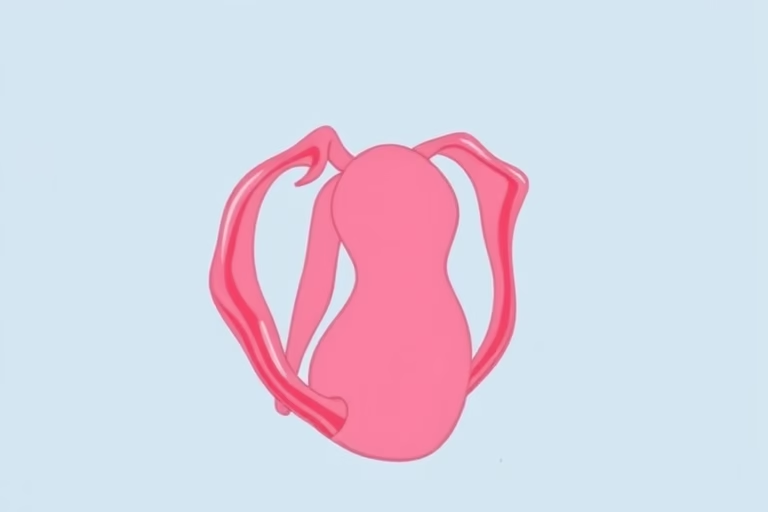
Understanding Implantation Bleeding vs Ovulation Spotting
This article will cover the differences between implantation bleeding and ovulation spotting, which are two types of vaginal bleeding that can occur during a woman’s menstrual cycle. Both phenomena may lead to confusion, especially for those trying to conceive or keeping track of their menstrual health. Understanding the signs and characteristics of each can empower women to differentiate between normal bodily functions and potential health issues.
Implantation bleeding occurs when a fertilized egg attaches to the uterine lining, which can cause light bleeding. It typically happens around six to twelve days after conception. On the other hand, ovulation spotting takes place when an egg is released from the ovary, usually occurring midway through the menstrual cycle. Identifying these events is crucial for menstrual and reproductive health. A clear understanding of both types of bleeding can aid women in tracking their cycles and seeking medical advice when necessary.
1. What is Implantation Bleeding?
Implantation bleeding is light bleeding that occurs when a fertilized egg attaches itself to the wall of the uterus. This process generally takes place about eight to ten days following ovulation. It is often one of the earliest signs of pregnancy. The bleeding can be very light, usually pink or brown in color, and lasts from a few hours to a couple of days. Women may confuse it with their regular monthly period, but it typically comes much earlier and is lighter in flow.
Recognizing the characteristics of implantation bleeding can assist women in understanding their fertility cycles better. This knowledge is vital for those actively trying to conceive or monitoring their menstrual health.
Common symptoms accompanying implantation bleeding may include mild cramping, but it usually should not be painful. It is essential to differentiate this bleeding from more significant bleeding related to possible miscarriages or ectopic pregnancies, as those conditions may require immediate medical attention.
2. Understanding Ovulation Spotting
Ovulation spotting occurs around the midpoint of a woman’s menstrual cycle, when an mature egg is released from the ovary. Generally, this can happen about 14 days before the start of the next menstrual period. Unlike implantation bleeding, ovulation spotting may not signify pregnancy; instead, it is a regular part of the menstrual cycle for some women.
The appearance of ovulation spotting is typically different from that of implantation bleeding. It can be described as light pink or brown discharge that may last only a few hours to a day or two. Women may also experience other symptoms, such as increased cervical mucus and heightened libido during this time.
Knowing when ovulation occurs is crucial for women trying to conceive, as it pinpoints their most fertile days. Understanding ovulation spotting can help in tracking ovulation and, hence, fertility issues.
3. Key Differences Between the Two
When comparing implantation bleeding and ovulation spotting, women should be aware of several differences. The timing is one of the most significant factors; implantation bleeding typically occurs around a week after ovulation, while ovulation bleeding occurs around the time of ovulation itself.
Another notable difference is the nature of the bleeding. Implantation bleeding is generally lighter and shorter in duration compared to typical menstrual bleeding and is usually pink or brown. In contrast, ovulation spotting can be a bit more vivid and may last longer.
Additionally, while implantation bleeding may be accompanied by slight cramping, ovulation spotting may also be associated with other ovulation-related symptoms, such as increased discharge or breast tenderness. Recognizing these distinctions can help in providing clarity regarding the state of one’s reproductive health.
4. Symptoms of Implantation Bleeding
Symptoms unique to implantation bleeding may include:
- Light spotting or bleeding: This is the primary symptom and is usually lighter than a regular period.
- Color of blood: Implantation bleeding is often pink or brown instead of the red associated with menstrual blood.
- Mild cramping: This may occur but should not be severe or debilitating.
Understanding these symptoms can assist in recognizing the possibility of pregnancy while also helping to identify any issues that may require medical consultation. Not all women will experience implantation bleeding, and the absence of it does not rule out pregnancy.
5. Symptoms of Ovulation Spotting
Symptoms related to ovulation spotting can vary widely among women, but common indicators include:
- Light pink or brown discharge: Similar to implantation bleeding, which can lead to confusion.
- Increased cervical mucus: This is a function of hormone fluctuations.
- Pelvic discomfort: Some women experience mild cramping or discomfort during ovulation.
The knowledge of these symptoms is vital for women tracking their menstrual cycles either to prevent pregnancy or facilitate conception. Recognizing ovulation spots can significantly enhance fertility awareness.
6. When to Seek Medical Attention
While both implantation bleeding and ovulation spotting are usually harmless, certain situations warrant medical attention:
- If the bleeding is heavy like a regular menstrual flow.
- If it is accompanied by severe pain.
- If you experience dizziness or signs of shock, such as fainting.
It is advisable to consult a healthcare professional if any of these symptoms occur, as they can indicate other more serious conditions such as ectopic pregnancy or hormonal imbalances.
7. How to Track Your Cycle Effectively
Tracking your menstrual cycle can greatly help in distinguishing between various forms of spotting. Techniques include:
- Calendar Method: Mark important dates on a calendar to monitor changes throughout your cycle.
- Apps: Consider using a smartphone app designed for tracking menstrual cycles and ovulation.
- Symptom Tracking: Note any spotting, changes in cervical mucus, and body temperature changes.
This systematic approach can assist in identifying patterns and providing valuable information for health consultations.
8. Lifestyle Changes for Reproductive Health
Maintaining reproductive health can significantly reduce menstrual irregularities. Some lifestyle changes to consider include:
- Balanced diet: Consuming a variety of nutrients supports hormonal balance.
- Regular exercise: Physical activity helps in managing stress and hormonal fluctuations.
- Stress management: Techniques such as yoga and meditation can reduce stress-related menstrual issues.
Improving your overall health positively impacts the menstrual cycle, creating a conducive environment for better reproductive health.
9. Myths About Spotting
There are numerous myths surrounding vaginal spotting that can cause confusion:
- Myth: Spotting always means pregnancy. Reality: Not every instance of light bleeding indicates pregnancy.
- Myth: If you experience spotting, you can’t get pregnant. Reality: Ovulation spotting is a normal part of the cycle for many women.
- Myth: All spotting is dangerous. Reality: Both ovulation and implantation spotting can be normal, but significant changes should always be reported to a healthcare provider.
Dispelling these myths is crucial for understanding one’s body and reproductive health. Awareness can prevent unnecessary worries and promote a healthy approach to menstruation and pregnancy.
Final Thoughts
In summary, implantation bleeding and ovulation spotting are two distinguishable forms of vaginal bleeding that play critical roles in understanding reproductive health. Each has its characteristics, timing, and associated symptoms. While implantation bleeding typically occurs after fertilization and indicates the possibility of pregnancy, ovulation spotting occurs during the release of an egg. Both conditions are generally normal but should be monitored closely. Understanding the differences is valuable for women to manage their fertility and menstrual health effectively.
For tracking your cycle, consider noting any unusual patterns, and be sure to consult a healthcare provider for any significant changes. Additionally, adopting a balanced lifestyle can contribute positively to reproductive health. Knowledge is empowering when it comes to managing your reproductive system, and this understanding ultimately supports general health.
Here are five frequently asked questions about implantation bleeding and ovulation spotting:
1. Can I get implantation bleeding and ovulation spotting at the same cycle?
It is rare but possible to experience both types of spotting in the same cycle. However, they occur at different times and differ in characteristics.
2. Is implantation bleeding heavier than my period?
No. Implantation bleeding is generally lighter than a regular menstrual period.
3. How long does ovulation spotting last?
Ovulation spotting typically lasts from a few hours to a day or two.
4. Do all women experience spotting during ovulation?
No, not all women have ovulation spotting; it varies from individual to individual.
5. Should I be concerned if I have spotting?
If the spotting is unusual or accompanied by severe symptoms, it is advisable to seek medical advice.
Further Reading
What Type of Psychotherapy Is Best for Anxiety?