





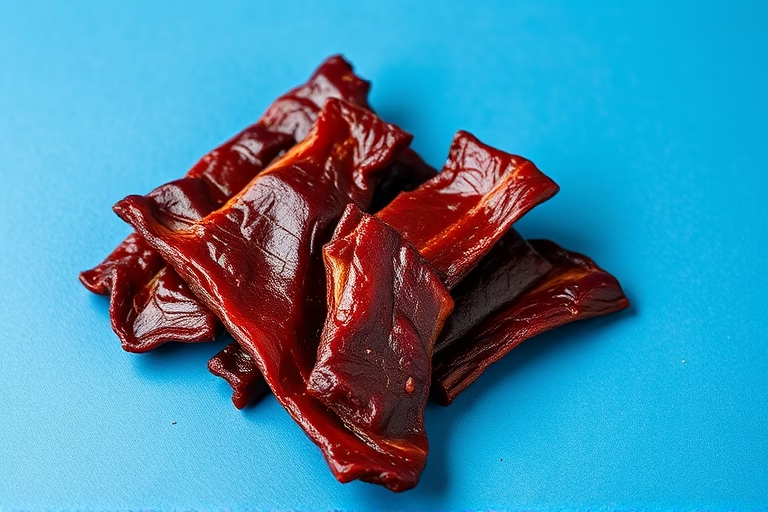
Beef jerky is a popular snack that many enjoy for its rich flavor and convenient packaging. However, the question arises: is beef jerky bad for high blood pressure? High blood pressure, or hypertension, is a condition where the force of blood against the artery walls is consistently too high. Often, the diet can play a crucial role in managing this condition. With beef jerky being high in sodium and preservatives, it’s essential to examine its impact on blood pressure levels. In this article, we will explore why beef jerky might not be the best choice for people with high blood pressure and what alternatives exist.
Understanding High Blood Pressure
High blood pressure, or hypertension, affects millions of people worldwide. It occurs when the blood vessels experience increased pressure, making the heart work harder than necessary. Over time, this can lead to serious health issues such as heart disease, stroke, and kidney problems. Factors that contribute to high blood pressure include genetics, a sedentary lifestyle, obesity, and poor dietary choices. Monitoring blood pressure is vital, as many people may not recognize the symptoms until severe health issues arise. Managing diet, particularly salt intake, is one of the key strategies for controlling hypertension. Because beef jerky typically contains a high sodium content, it’s crucial to understand its effects on blood pressure.
Sodium and Its Effects on Blood Pressure
Sodium, a mineral found in table salt and various foods, plays a significant role in fluid balance in the body. However, when consumed in excessive amounts, sodium can cause the body to retain water, leading to increased blood volume and subsequently higher blood pressure. Most health guidelines recommend keeping sodium intake below 2,300 milligrams per day, with an ideal limit of around 1,500 milligrams for individuals with hypertension. Given that a single serving of beef jerky can contain a significant percentage of these guidelines, it becomes evident that excessive consumption may aggravate blood pressure levels. Understanding the relationship between sodium intake and blood pressure is essential for making informed dietary choices.
The Nutritional Profile of Beef Jerky
Beef jerky is primarily composed of dried, preserved meat. While it is a source of protein and can also contain vitamins and minerals, it often comes with the downside of high sodium and preservatives like nitrites. A standard serving of beef jerky can have approximately 400 to 800 milligrams of sodium. This high sodium content can raise concerns for individuals with hypertension. Moreover, some jerky brands may also contain sugars and other additives that contribute to poor dietary choices. Understanding the nutritional profile of beef jerky is essential before incorporating it into a meal plan, especially for those monitoring their blood pressure.
Alternatives to Beef Jerky for People with High Blood Pressure
For individuals with high blood pressure seeking snacks comparable to beef jerky, several healthier alternatives exist. Options like turkey jerky, which usually contains less sodium, or plant-based jerky made from vegetables like mushrooms or soy can provide similar textures and flavors without the high sodium levels. Additionally, homemade jerky allows one to control the amount of salt added, making it a safer choice for someone with hypertension. Snacking on nuts, seeds, or even edamame can also provide protein and satisfy cravings without raising blood pressure levels. Exploring these alternatives can help maintain a balanced diet while keeping blood pressure in check.
Impact of Preservatives in Beef Jerky
Preservatives are often used in beef jerky to enhance flavor and shelf life. While they are generally recognized as safe, some studies suggest that certain preservatives may have negative impacts on health, including increasing blood pressure. Nitrites and nitrates, common in commercially produced jerky, can lead to the formation of harmful compounds in the body. Reducing the intake of processed meats that contain such preservatives is advisable for individuals concerned about their cardiovascular health. Being aware of ingredient labels when purchasing beef jerky can help avoid potentially harmful additives.
Portion Control and Moderation
Even if beef jerky is a go-to snack for many, portion control is crucial, especially for individuals with high blood pressure. Consuming a small amount can be acceptable, but indulging in larger quantities can lead to significant sodium intake. Understanding the serving size and adhering to recommended consumption levels can allow some individuals to enjoy beef jerky without dangerous blood pressure spikes. Balancing jerky consumption with other low-sodium foods can create a well-rounded diet without completely eliminating favorite snacks.
Homemade Beef Jerky
Making beef jerky at home can be a healthier alternative to store-bought options, allowing one to control both sodium levels and ingredient quality. By using lean cuts of meat, marinating in low-sodium sauces, and air-drying or dehydrating, people can create a satisfying snack without the risk of excessive sodium intake. This method of preparation ensures transparency concerning what is consumed and can align more closely with dietary needs for individuals with high blood pressure.
The Role of Hydration in Blood Pressure Management
Staying hydrated plays a surprising role in managing blood pressure as well. Dehydration can cause the body to retain salt, leading to increased blood pressure. When eating salty snacks like beef jerky, it’s essential to increase water intake to help flush out excess sodium. Drinking enough water can help support overall cardiovascular health and maintain optimal blood pressure levels. Therefore, ensuring adequate hydration is a vital component of any dietary regimen, especially for those managing hypertension.
Consulting with a Healthcare Professional
Before making any significant dietary changes, individuals with high blood pressure should consider consulting with healthcare professionals or registered dietitians. They can provide tailored advice and strategies suitable for individual health needs. Professional guidance can lead to a more comprehensive understanding of dietary impacts on blood pressure management. Having expert support ensures that dietary choices align with personal health goals and medical advice, creating a balanced approach to achieving a healthy lifestyle.
Conclusion
In summary, beef jerky’s high sodium content raises concerns for individuals with high blood pressure. Understanding the nutritional profile of beef jerky, including its sodium and preservative content, is crucial for making healthy choices. While beef jerky can be enjoyed in moderation or as part of a balanced diet, it is essential to consider healthier alternatives and practice portion control. Homemade jerky can provide a delightful, low-sodium option. Additionally, hydration and consulting healthcare professionals play critical roles in managing hypertension effectively. By recognizing how dietary choices impact blood pressure, individuals can make informed decisions that enhance their overall health. To maintain well-being, it’s important to be proactive in dietary management and consider how snacks like beef jerky fit into a broader nutritional strategy.
Frequently Asked Questions
1. Can I eat beef jerky if I have high blood pressure?
It is advisable to limit beef jerky due to its high sodium content. Consider healthier alternatives or homemade options with reduced salt.
2. What are some low-sodium snacks I can enjoy?
Alternatives include turkey jerky, plant-based jerky, nuts, and seeds, all offering protein without high sodium levels.
3. How can I make homemade beef jerky healthier?
Use lean meat, low-sodium marinades, and a food dehydrator to control sodium and additives in your homemade jerky.
4. What should I look for on jerky labels?
Check for sodium content, preservatives, and added sugars to better manage your dietary intake.
5. Is hydration important for controlling blood pressure?
Yes, staying hydrated helps manage sodium levels and supports overall cardiovascular health by preventing dehydration.
Further Reading
What Type of Psychotherapy Is Best for Anxiety?