Key Takeaways
- Chipotle offers several gluten-free options.
- Cross-contamination is a concern for those with celiac disease.
- Always ask staff about gluten-free practices.
- Read ingredient labels and menu descriptions carefully.
Is Chipotle Gluten Free?
When dining out, many people with gluten sensitivities or celiac disease often ask, “Is Chipotle gluten free?” This popular fast-casual restaurant chain is known for its customizable Mexican-inspired dishes, but understanding what options are safe can be crucial for those avoiding gluten. This article will provide you with detailed information on Chipotle’s menu, how gluten is handled in their food preparation, and what you need to know to enjoy a meal without worry.
Gluten is a protein found in wheat, barley, and rye, and it can cause serious health issues for those with celiac disease and gluten intolerance. At Chipotle, the menu primarily consists of ingredients that are naturally gluten-free, such as fresh vegetables, meats, beans, and rice. However, it is essential to be aware of the potential for cross-contamination and how to navigate the menu effectively.
In this guide, we will explore Chipotle’s gluten-free options, the risk of cross-contamination, and provide tips for safely enjoying your meal. Understanding these factors will empower you to make informed decisions while dining at Chipotle.
Understanding Gluten and Its Impact
Gluten is a complex mixture of proteins found in certain grains. For most people, gluten is harmless. However, for individuals with celiac disease, ingestion of gluten can trigger an immune response that damages the lining of the small intestine, leading to various health issues. Symptoms can include abdominal pain, bloating, diarrhea, and fatigue.
Gluten intolerance, while less severe than celiac disease, can still cause discomfort and digestive issues. People with gluten intolerance may experience symptoms similar to those of celiac disease but without the same level of intestinal damage. For both conditions, avoiding gluten is essential for maintaining health.
Understanding gluten and its sources is vital when considering your dining choices. Many processed foods contain gluten, making it important to read labels and ask questions when eating out.

Chipotle’s Gluten-Free Menu Options
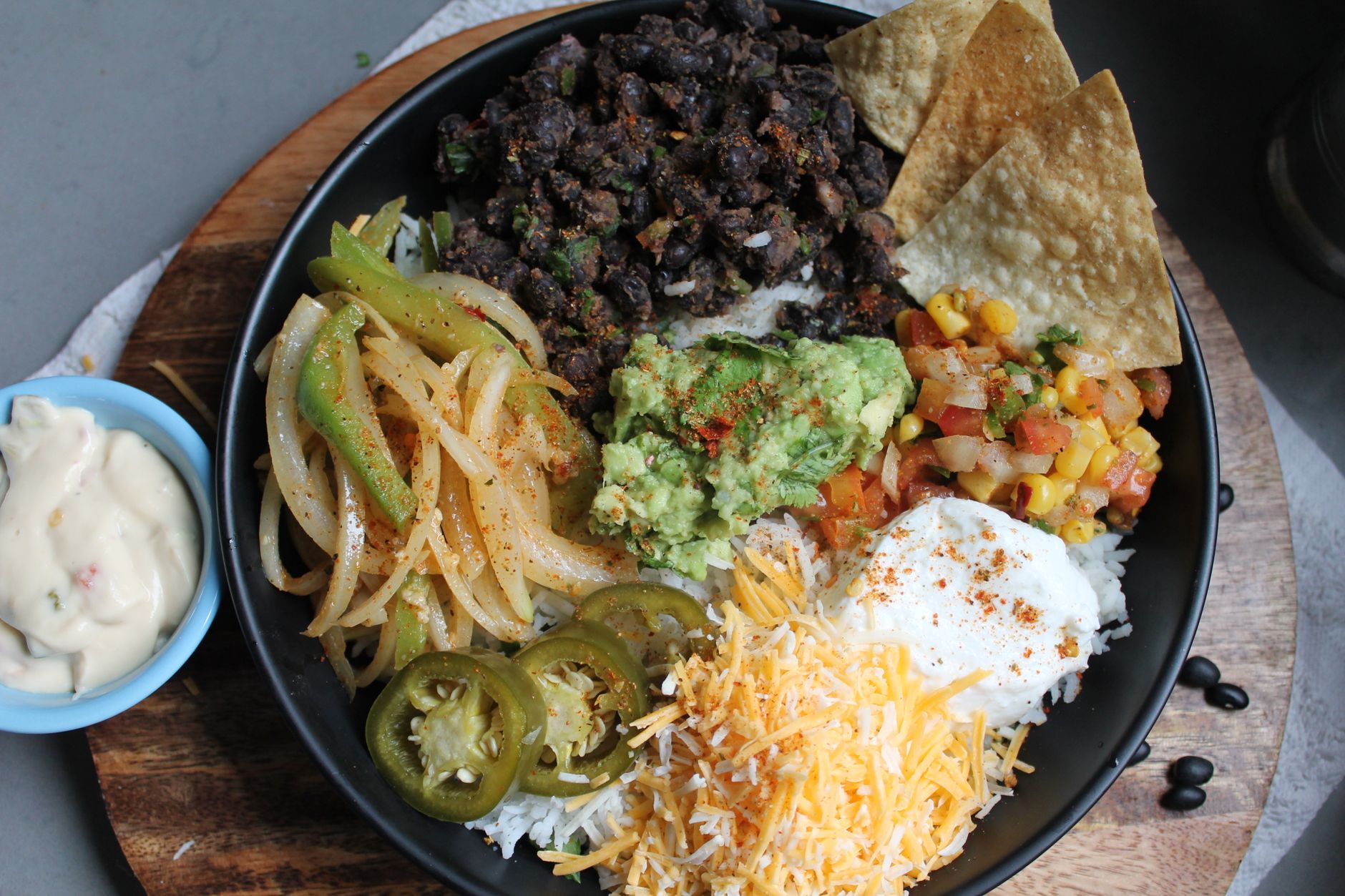
Chipotle offers a variety of menu items that are naturally gluten-free. Here are some key components of their menu that you can safely enjoy:
- Proteins: All meats (chicken, steak, barbacoa, carnitas, sofritas) are gluten-free.
- Beans: Both black beans and pinto beans are gluten-free.
- Rice: Cilantro-lime rice and brown rice are both gluten-free options.
- Salsas: Fresh tomato salsa, corn salsa, green chili salsa, and tomatillo salsas are gluten-free.
- Vegetables and Toppings: All vegetables and toppings, such as lettuce, cheese, and guacamole, are gluten-free.
However, while these ingredients are gluten-free, Chipotle does not have a specific gluten-free menu. This means that cross-contamination could occur during food preparation. It is essential to communicate your dietary needs to the staff when ordering.
Cross-Contamination Risks
Cross-contamination occurs when gluten-free foods come into contact with gluten-containing foods, which can pose a serious risk for individuals with celiac disease. Chipotle has taken steps to minimize this risk, but it is still a concern to be aware of.
At Chipotle, ingredients are prepared in a shared kitchen environment. Here are some considerations regarding cross-contamination:
- Shared Equipment: Cooking utensils, cutting boards, and preparation surfaces may be shared across different food items.
- Cooking Methods: If items are cooked in the same fryer or on the same grill, there may be residue present.
- Staff Training: Staff members are trained to handle food safely, but it’s important to remind them of your gluten-free needs.
To reduce the risk of cross-contamination, you may want to consider ordering your meal in a way that minimizes contact with gluten-containing items. This could include requesting that your food be prepared in a clean area or using separate utensils.
Tips for Ordering Gluten-Free at Chipotle
To safely enjoy a gluten-free meal at Chipotle, here are some practical tips:
- Communicate Clearly: Let the staff know that you require a gluten-free meal. Ask them to take extra precautions during food preparation.
- Customize Your Order: Build your meal carefully, selecting only gluten-free options. Avoid items like flour tortillas and tortilla chips.
- Check Ingredient Labels: Always review the ingredient list for sauces and dressings, as some may contain gluten.

What to Avoid at Chipotle
While many options at Chipotle are gluten-free, certain items should be avoided if you are gluten intolerant or have celiac disease. Here are some foods to steer clear of:
- Flour Tortillas: These are made with wheat flour and should be avoided.
- Tortilla Chips: While some chips may be gluten-free, they are often fried in oil that may be cross-contaminated.
- Sour Cream and Dressing: Some dressings and sauces may contain gluten. Always check ingredient lists.
By avoiding these items, you can help minimize your risk of gluten exposure while dining at Chipotle.
Understanding Chipotle’s Ingredient Sourcing
Commitment to Sustainable Sourcing
Chipotle prides itself on sourcing ingredients that are not only of high quality but also sustainably produced. They work with farmers who prioritize organic and non-GMO practices, ensuring that the food served is both healthy and environmentally friendly. This commitment extends to their gluten-free options, as many gluten-free grains and vegetables are sourced from these sustainable farms.
By maintaining strong relationships with farmers and suppliers, Chipotle can trace the origins of its ingredients, which is crucial for customers with gluten sensitivities. This transparency helps to alleviate concerns regarding cross-contamination and ensures that gluten-free items are genuinely safe for consumption.
- Locally sourced produce whenever possible
- Partnerships with farmers committed to animal welfare
- Strict adherence to non-GMO standards
Ingredient Transparency and Allergen Information
Another aspect of Chipotle’s approach to gluten-free dining is their commitment to ingredient transparency. The company provides comprehensive allergen information on their website and in-store, allowing customers to make informed choices regarding their meals. This is particularly important for individuals with gluten sensitivities, as it helps them navigate their options safely.
Each ingredient used in Chipotle’s menu is detailed, including potential allergens, which is essential for those with celiac disease or gluten intolerance. Customers can easily access this information, ensuring they can enjoy their meals without fear of gluten exposure.
- Online allergen menu available
- In-store allergen information provided
- Staff trained to assist with dietary restrictions
Exploring Gluten-Free Grains
Chipotle offers several gluten-free grains that can be included in various bowls or salads. The most notable gluten-free options include brown rice and cilantro-lime rice, both of which are flavorful and can serve as a hearty base for a meal. These grains not only complement the protein options available but also provide essential nutrients.
Another gluten-free grain option available at Chipotle is the sofritas, a tofu-based protein that is marinated in spices. This option provides a unique flavor profile while remaining entirely gluten-free. Additionally, Chipotle’s fajita vegetables are also gluten-free, adding a delicious crunch and texture to any meal.
- Brown rice
- Cilantro-lime rice
- Sofritas (tofu-based protein)
Health Considerations for Gluten-Free Dining
Potential Nutritional Gaps
While eating gluten-free is essential for those with celiac disease or gluten sensitivity, it is important to acknowledge potential nutritional gaps that may arise from eliminating gluten-containing grains. Gluten-free diets can sometimes lead to lower fiber intake, as many gluten-free products lack whole grains that are typically high in fiber.
To mitigate these gaps, customers at Chipotle should focus on incorporating a variety of gluten-free whole foods such as beans, vegetables, and healthy fats. By doing so, they can ensure they are receiving adequate nutrition while enjoying their favorite meals. Chipotle’s menu allows for a customizable approach, letting diners choose nutrient-dense options that suit their dietary needs.
- Incorporating beans for added protein and fiber
- Choosing a variety of fresh vegetables
- Adding healthy fats like guacamole
Monitoring Portion Sizes and Ingredients
When dining out, especially at fast-casual restaurants like Chipotle, it’s easy to overlook portion sizes. Even gluten-free options can be calorie-dense, particularly when toppings and extras are added. Customers should be mindful of their portion sizes to maintain balanced dietary habits.
Additionally, while Chipotle’s menu offers many gluten-free choices, it is crucial for individuals to monitor the ingredients of their selected items. Customizing meals by limiting high-calorie toppings and choosing lighter dressings can help maintain a healthier overall meal profile.
- Be cautious with high-calorie toppings such as cheese and sour cream
- Opt for lighter dressings or salsas
- Consider portion sizes when customizing meals
Understanding the Role of Gluten-Free Alternatives
The market for gluten-free alternatives has expanded significantly in recent years, with many products marketed as gluten-free often containing high levels of sugar, fat, or preservatives. At Chipotle, while the focus is on fresh ingredients, it is still important for customers to understand the differences between traditional and gluten-free options.
Some gluten-free items may also be processed in ways that can introduce other allergens or undesired ingredients. Therefore, it is advisable for customers to read ingredient labels and inquire about preparation methods when necessary. This diligence can aid in making healthier selections while dining gluten-free.
- Research gluten-free products before consumption
- Be cautious with processed gluten-free items
- Focus on whole foods when possible
Chipotle’s Customer Service and Dietary Inclusivity
Training Staff on Gluten-Free Protocols
Chipotle emphasizes the importance of customer service, particularly when it comes to dietary restrictions. Staff members are trained to understand and manage gluten-free protocols, ensuring that customers feel safe and informed when placing their orders. This training includes knowledge about potential cross-contamination and the importance of maintaining a clean workspace.
By fostering an environment of inclusivity and education, Chipotle empowers its staff to assist customers with dietary needs effectively. This approach not only enhances the dining experience for those with gluten sensitivities but also builds trust in the brand’s commitment to food safety.
- Regular training sessions for staff
- Clear communication about dietary restrictions
- Encouragement of questions from customers
Customer Feedback and Adaptation
Customer feedback plays a vital role in shaping Chipotle’s menu and practices. The company actively seeks input from guests who have dietary restrictions, allowing them to adapt offerings and improve service based on real-world experiences. This responsiveness demonstrates Chipotle’s commitment to providing a positive dining experience for everyone, including those with gluten sensitivities.
By listening to their customers, Chipotle can make informed decisions about future menu items and ingredient sourcing. This feedback-driven approach fosters a sense of community and customer loyalty, as individuals feel valued and heard in their dining choices.
- Encouragement of customer reviews and suggestions
- Focus on adapting menu options based on feedback
- Building a community around dietary inclusivity
Building a Community of Support for Gluten-Free Diners
In addition to their commitment to dietary inclusivity, Chipotle also participates in initiatives that support gluten-free diners. This includes partnerships with organizations that advocate for celiac disease awareness and gluten sensitivity education. By engaging with these groups, Chipotle helps to foster a broader community of support for individuals navigating gluten-free lifestyles.
Such initiatives may include sponsoring events, participating in awareness campaigns, or providing resources for education about gluten-related disorders. By actively contributing to the gluten-free community, Chipotle not only enhances its reputation but also supports those in need of gluten-free options.
- Participation in celiac awareness events
- Collaboration with gluten-free advocacy organizations
- Resources for education on gluten sensitivity
Frequently Asked Questions
Can I eat at Chipotle if I have celiac disease?
Yes, you can eat at Chipotle, but it is crucial to be cautious about cross-contamination. Always inform the staff of your celiac disease, and request that your food be prepared separately from gluten-containing items.
Are Chipotle’s tortillas gluten-free?
No, Chipotle’s flour tortillas contain wheat and are not gluten-free. You can choose to have your meal in a bowl without a tortilla to ensure it is gluten-free.
What should I do if I accidentally consume gluten at Chipotle?
If you accidentally consume gluten, monitor for any symptoms you may experience. If you have celiac disease and have a severe reaction, contact a healthcare professional for advice on managing your symptoms.
Do Chipotle’s beans contain gluten?
No, both black beans and pinto beans at Chipotle are gluten-free. They are safe options for those avoiding gluten.
The Bottom Line
In conclusion, many items at Chipotle are gluten-free, making it a viable option for those with gluten sensitivities or celiac disease. However, the risk of cross-contamination is present, so it is essential to communicate your dietary needs clearly to the staff. By being informed and cautious, you can enjoy a delicious meal at Chipotle while keeping your health in check.
Note: This article is for general information only and is not medical advice. See a qualified health professional about your own situation.