Key Takeaways
- Stomach gurgling, or borborygmi, is a normal part of the digestive process caused by moving food, gas, and fluid.
- Eating quickly and swallowing air are common habits that can increase the volume and frequency of stomach sounds.
- Certain foods like high-fiber vegetables, beans, and dairy for those with lactose intolerance often trigger more gurgling.
- While usually harmless, persistent gurgling combined with pain or bowel changes warrants a conversation with your doctor.
Why Does My Stomach Gurgle After Eating?
If you’ve ever found yourself wondering, “Why does my stomach gurgle after eating?” you’re not alone! Many people experience that curious sound coming from their bellies after enjoying a meal. It’s a totally normal experience, but it’s understandable to want to know what’s going on inside your body. For some, the gurgling may simply be a harmless part of the digestion process, while for others, it might be related to what they’re eating or how they eat.
Your stomach gurgling, also known as borborygmi, often happens when your digestive system gets to work breaking down food. The sounds can vary in volume and frequency, and depending on certain factors, they can be quite pronounced. Let’s dive into the details to help you understand the science behind these sounds, what causes them, and when you should chat with a healthcare professional.
What Does This Mean?
When we talk about our stomachs gurgling, we’re referring to the noises that come from our digestive tract. These sounds are typically caused by the movement of gas and fluid mixed with the food in our stomach and intestines. It’s quite common and is often a normal sign that your digestive system is doing its job!
One of the technical terms you may come across is “peristalsis,” which is the series of wave-like muscle contractions that move food through your digestive system. These contractions can create sounds as they push against the contents of the stomach and intestines. We’ll explore more about this shortly!
Why Does This Happen?
So what exactly causes your stomach to gurgle after eating? It can be attributed to several potential factors:
One possible reason for gurgling might be how quickly you eat. If you tend to gulp down your meals, you may also swallow a lot of air, which can add to the sounds you hear. Another common factor is the type of food you consume. Certain foods are known to be more gas-producing than others. It’s important to note that everyone’s digestive system is unique; what triggers gurgling in one person may not affect someone else in the same way. Research suggests that lactose, beans, and cruciferous vegetables, for example, can contribute to more gurgling sounds in some individuals.
In some people, digestion can happen more loudly, especially if there’s a lot of food or gas in the stomach. This increased activity may produce more noticeable sounds. Stress and anxiety can also play a role in how our bodies process food, potentially leading to more gurgling noises.
Common Causes
1. Eating Habits
Your eating habits can greatly influence your digestive sounds. Eating very quickly can cause you to swallow air, which might mix with the food in your stomach and lead to gurgling noises. Slowing down and chewing your food thoroughly may help reduce the gurgling.
2. Types of Food
Some foods are more likely to result in bubbly stomach sounds. For example, high-fiber foods like beans, lentils, and certain vegetables (like broccoli and cabbage) can produce gas as they are digested. While these foods are good for overall health, they might increase the likelihood of stomach sounds after eating.
3. Lactose Intolerance
If you are lactose intolerant, consuming dairy products can cause your stomach to gurgle as your body has difficulty digesting lactose, the sugar found in milk products. Symptoms like gurgling along with bloating or discomfort can indicate that it’s worth talking to a healthcare professional about potential sensitivities.
4. Gastrointestinal Disorders
In some cases, conditions like irritable bowel syndrome (IBS) or other gastrointestinal issues can lead to increased stomach noises. If gurgling is accompanied by more problematic symptoms, like severe pain, bloating, or changes in bowel habits, it might be time to check in with a doctor.
Signs and Symptoms to Watch For
Gurgling sounds in your stomach are generally not a cause for concern, particularly if they happen occasionally and aren’t accompanied by other symptoms. However, here are some signs to watch for:

- Frequent bloating or gas
- Pain or discomfort in the abdomen
- Changes in bowel habits, such as persistent diarrhea or constipation
- Unexplained weight loss
- Blood in stool
If you notice any of these symptoms alongside your gurgling, it may be beneficial to seek advice from a healthcare professional.
What Can Make It Worse?
A number of lifestyle and dietary choices can potentially make gurgling noises worse. Here are a few factors to consider:
- Diet: Foods high in starch, sugar, and fat can sometimes lead to increased gurgling. Assessing your diet and how specific foods impact your digestive sounds may be helpful.
- Eating Habits: Eating quickly, not chewing food sufficiently, or talking while eating can all contribute to digestion noises.
- Stress: Being stressed or anxious can affect digestion, possibly leading to more noticeable gurgling.
- Hydration: Not drinking enough fluids can affect your digestion. Staying hydrated may help your system function smoothly.
Foods and Drinks Related to the Topic
When it comes to how food impacts your digestive sounds, it’s essential to recognize that everyone’s reaction can differ:
- Fiber-Rich Foods: While they are great for digestive health, foods like beans, lentils, and even whole grains may produce gas and contribute to gurgling.
- Dairy Products: For those who are lactose intolerant, dairy can lead to increased gurgling and discomfort.
- Caffeinated Beverages: Drinks like coffee may stimulate your digestive system and lead to more active gurgling.
Listening to your body and keeping track of how different foods make you feel can help you pinpoint any troublesome items.
What Can We Do?
There are a few practical steps you can take to help manage and minimize gurgling after eating:
- Slow Down When Eating: Take your time and chew each bite thoroughly, paying attention to the process without distractions.
- Keep a Food Diary: Tracking what you eat and how your stomach reacts can help you identify any food sensitivities or patterns.
- Stay Hydrated: Drinking enough water can help with the digestion process and reduce excessive gurgling.
- Practice Stress-Reduction Techniques: Mindfulness, yoga, or deep breathing can promote relaxation and may help digestion.
When Should You See a Doctor
If you find that your stomach gurgling is accompanied by any concerning symptoms, it may be time to seek medical advice. Consider talking with a healthcare professional if you experience:
- Severe or persistent abdominal pain
- Blood in your stool
- Unexplained weight loss
- Persistent vomiting
- Changes in bowel habits that last longer than a few days
- Symptoms that worsen despite making reasonable lifestyle changes
Frequently Asked Questions
Why am I always gurgling after eating?
If you frequently experience gurgling after meals, it could be tied to what you’re eating or your eating speed. Swaller air, food intolerances, or certain foods may contribute. Keeping a food diary can help identify patterns.
Can food cause my stomach to gurgle?
Absolutely! Certain foods, especially high-fiber ones like legumes and cruciferous vegetables, can lead to increased gas and gurgling sounds. Dairy products may also cause issues for those who are lactose intolerant.
When should I worry about my stomach gurgling after eating?
If the gurgling is accompanied by severe pain, blood in your stools, or lasting changes in digestion, it’s a good idea to consult a healthcare professional.
Is stomach gurgling a sign of an underlying condition?
Not usually, but if it happens frequently and comes with other symptoms, such as discomfort or bloating, it may be worth investigating further.
Can drinking water help reduce stomach gurgling?
Yes! Staying hydrated can help your digestive system run smoothly, potentially minimizing gurgling sounds.
Could stress be a factor in my stomach gurgling?
Definitely! Stress can affect digestion, leading to increased activity in your digestive tract, which may result in more noticeable gurgling.
Does it matter how I eat?
Yes! Eating quickly or not chewing food well can increase gurgling. Taking your time to enjoy meals is beneficial for digestion.
Are there specific foods to avoid if my stomach is gurgling a lot?
While responses vary, you might want to limit high-fiber foods or dairy if you’ve noticed they cause more gurgling sounds for you.
What the Research Says About Why Does My Stomach Gurgle After Eating?
Research shows that stomach gurgling is often a normal part of digestion, linked to the process of peristalsis. A study in the Journal of Gastroenterology highlighted that increased gurgling can sometimes relate to higher air swallowing, particularly in fast eaters. Also, the American Gastroenterological Association emphasizes that sensitivity to certain foods, like those high in FODMAPs (fermentable oligosaccharides, disaccharides, monosaccharides, and polyols), can also lead to excessive gas and sounds in the digestive system.
Overall, research aligns with the idea that these sounds are usually benign but may indicate underlying issues in certain individuals, especially if paired with troubling symptoms.
Simple Daily Habits That May Support Better Health
In addition to the specific recommendations discussed, integrating a few healthy daily habits can work wonders for your digestion:
- Regular Physical Activity: Engaging in regular exercise can help enhance digestion, promoting healthy gut activity and reducing gas.
- Mindful Eating: Practicing mindfulness during meals can allow you to enjoy your food more and potentially help with digestion.
- Proper Portion Sizes: Eating smaller portions throughout the day may prevent overwhelming your digestive system.
Final Thoughts
So, to wrap things up: stomach gurgling after eating is often a normal part of the digestive process, driven by several factors including your eating habits, the types of food you consume, and even your emotional well-being. While occasional gurgling is usually harmless, keeping an eye on any accompanying symptoms is essential.
If we notice that the sounds are accompanied by discomfort or changes in our digestion, it’s crucial to seek advice from a healthcare professional. Taking small, mindful steps in our eating habits, staying hydrated, and being proactive about any dietary triggers can help us maintain a healthy digestive system.
Remember, every body is different, and if you’re unsure about what’s going on inside, it’s always best to check in with a doctor. Here’s to understanding our bodies better and feeling great after meals!

Sources and References
American Gastroenterological Association: Understanding Gastrointestinal Sounds. Retrieved from gastro.org
Cleveland Clinic: Is It Normal For Your Belly to Gurgle? 2022. Retrieved from clevelandclinic.org
Harvard T.H. Chan School of Public Health: The Nutrition Source, Healthy Eating Plate. 2023. Retrieved from hsph.harvard.edu
Mayo Clinic: Stomach and Bowel Sounds: Causes and Treatments. Updated 2023. Retrieved from mayoclinic.org
National Institute of Diabetes and Digestive and Kidney Diseases (NIDDK): Understanding Gastrointestinal Disorders. 2023. Retrieved from niddk.nih.gov
National Institutes of Health (NIH): Digestion and Absorption: The Basics. 2023. Retrieved from nih.gov

Medical Disclaimer
This article is for general educational and informational purposes only. It is not intended to provide medical advice, diagnosis, or treatment. Health conditions can affect people differently, and information that is appropriate for one person may not be appropriate for another. If you have persistent, severe, or concerning symptoms, speak with a qualified healthcare professional for personalized advice.
Further Reading
Ivf Shot Schedule: 10 Things You Should Know
Omeprazole and Alcohol: Is It Safe to Mix?
what does a growth spurt in pregnancy feel like
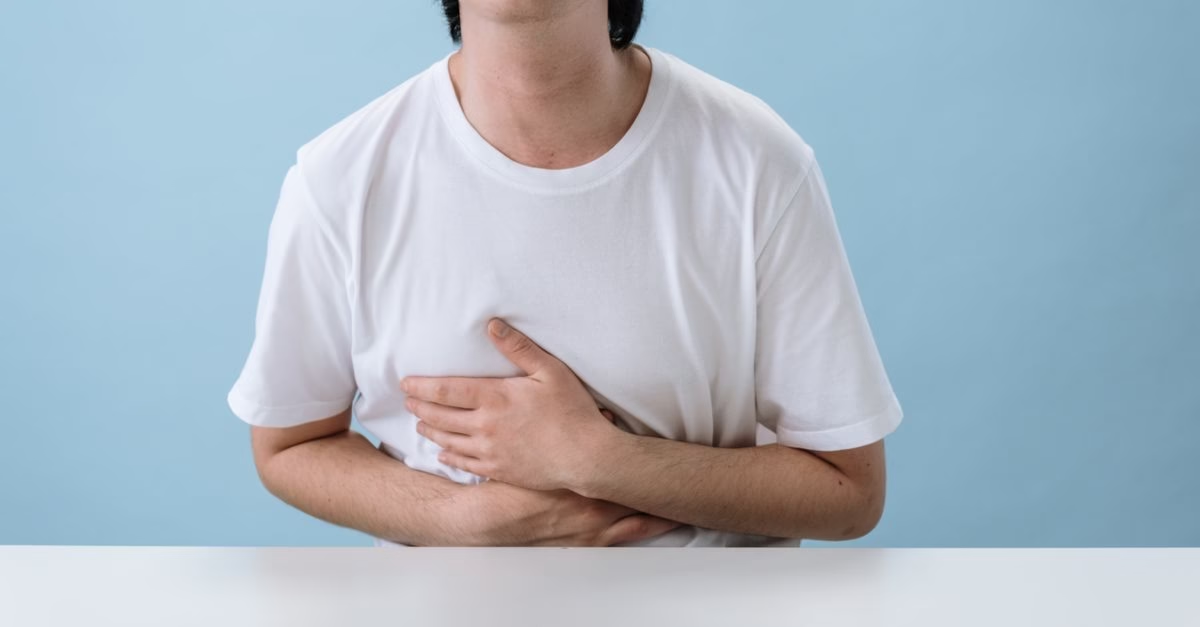
Photo by cottonbro studio on Pexels.
Frequently Asked Questions
Can chewing gum cause stomach gurgling?
Yes, chewing gum can lead to increased stomach gurgling. The act of chewing gum often causes you to swallow excess air, which then moves through your digestive tract and creates those familiar bubbly noises.
Does lying down after eating make gurgling worse?
For some people, lying down shortly after a meal can affect digestion and make sounds more noticeable. Sitting upright for a period after eating allows gravity to assist with digestion and may help reduce gurgling sounds.
Are probiotics helpful for noisy digestion?
Probiotics may help balance gut bacteria for some individuals, potentially reducing gas and associated gurgling. However, it is best to discuss adding supplements with your doctor to ensure they are appropriate for your specific digestive needs.
Why does my stomach gurgle more in the morning?
Your stomach may gurgle in the morning because your digestive tract has been relatively quiet while you slept. As you wake up and move, or consume your first meal, the muscles begin to contract more actively, which can make those sounds more apparent.
The Bottom Line
Stomach gurgling is typically a harmless sign that your digestive system is hard at work moving food through your body. By eating slowly, managing your diet, and staying hydrated, you can often minimize these sounds. If you ever notice concerning symptoms like pain or blood, please reach out to a healthcare professional for peace of mind.