Key Takeaways
- A hard stomach often results from common issues like bloating, constipation, or muscle tension from stress.
- Dietary choices, such as eating gas-producing foods or eating too quickly, frequently contribute to abdominal tightness.
- Hormonal changes, particularly during the menstrual cycle, can cause noticeable firmness and digestive discomfort.
- Persistent symptoms, especially when accompanied by pain or weight loss, warrant a visit to your doctor.
Why Does My Stomach Feel Hard?
Have you ever suddenly found yourself asking, “Why does my stomach feel hard?” You’re not alone. This question pops into the minds of many who notice that their belly feels firmer than usual. A hard stomach can happen for a variety of reasons, and chances are, you’re just looking for a little reassurance and clarity.
Feeling like your stomach has turned into a solid rock may stir up a bit of concern, especially if it’s not something you experience every day. Some folks search for answers because they might feel uncomfortable or notice other changes in their digestion. In this article, we’ll help you understand the possible reasons your stomach feels hard, what to look out for, and when it’s time to consult a healthcare professional.
What Does This Mean?
When we say “my stomach feels hard,” we refer to a sensation where the abdominal area feels tense, tight, or firm. This might happen after eating, during certain activities, or even for no clear reason. Our stomachs can react to many factors, which can range from lifestyle choices to underlying health issues.
This sensation isn’t always linked to something serious, but understanding it better can ease your mind. It’s essential to pay attention to your body, as these signals can help you identify if there’s a more significant concern at play.
Why Does This Happen?
One possible reason your stomach might feel hard is bloating. Bloating happens when gas builds up in your digestive system, causing the stomach to stretch and feel tight. Another common factor could be constipation, where difficulties in passing stools lead to a feeling of fullness and hardening in the abdomen.
In some people, stress and anxiety can also contribute to muscle tension in the stomach area, leading to a sense of hardness. After all, our emotional states can influence our physical wellbeing! Research suggests that women might experience this sensation more due to hormonal changes, particularly during menstrual cycles. However, it’s good to note that not everyone will experience the same triggers or symptoms.
Common Causes
Let’s break down some common causes of why your stomach might feel hard:
Bloating
Bloating often results in a swollen or full sensation in the abdominal area. It can happen after eating certain foods, especially those high in carbohydrates or fiber. If your stomach feels hard after a meal, it might be due to this buildup of gas.
You may notice that your clothes fit tighter or you feel more pressure in your stomach. To manage bloating, try eating smaller meals and avoid gas-producing foods like beans and carbonated drinks. If bloating happens frequently or lasts long, it might be worth discussing with a doctor.
Constipation
Constipation occurs when you have difficulty passing stools. This can happen for various reasons, like not drinking enough water or a low-fiber diet. A hard belly can accompany constipation due to the buildup of stool in the intestines.
If you feel discomfort or notice less frequent bowel movements, increasing your fiber intake and staying hydrated can help. However, if problems persist, seeking medical advice is a good idea.
Stress and Anxiety
Sometimes, your mental state can lead to physical tension. Stress and anxiety might make your muscles tighten, including those in your stomach. This can result in a hard feeling in the abdomen, making you feel uncomfortable.
Finding ways to manage your stress, like practicing relaxation techniques or engaging in physical activity, may offer relief. If anxiety is a constant concern, don’t hesitate to seek professional support.
Medications
Certain medications and supplements can also contribute to digestive issues. For example, pain relievers or some iron supplements may cause constipation, leading to a hard belly.
Be aware of any new medications and discuss any concerns with your doctor. They may provide alternatives or solutions to minimize side effects.
Hormonal Changes
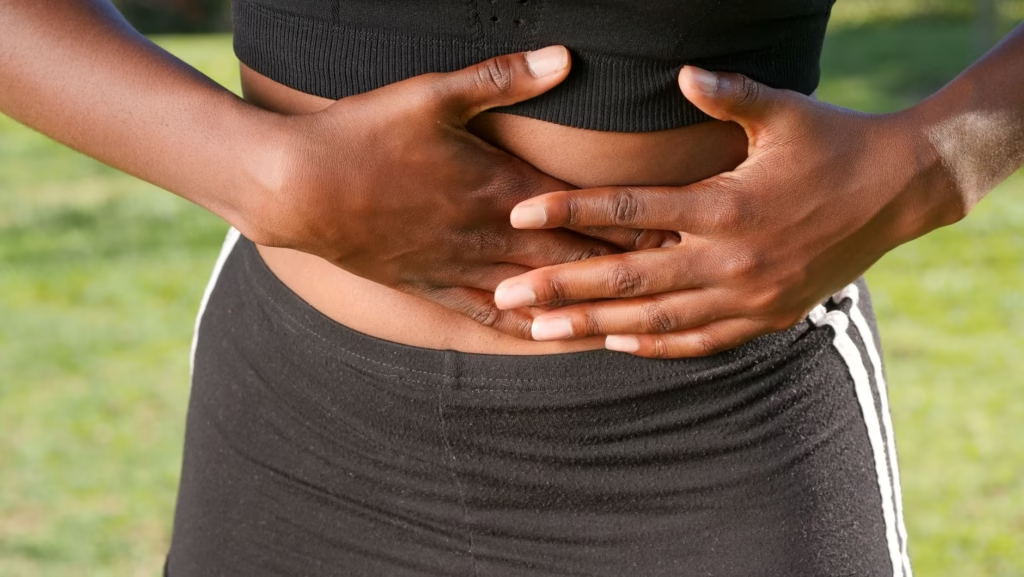
For some people, hormonal fluctuations, like those that occur during menstruation or pregnancy, can also lead to a hard stomach. This can happen due to water retention or changes in digestive function.
If your symptoms align with your menstrual cycle, it might be a more common experience. Keeping track of when these sensations occur can be helpful for you and your healthcare provider.
Signs and Symptoms to Watch For
While a hard stomach can be uncomfortable, not every symptom requires immediate concern. Here are some common signs related to a hard stomach:
- Common Symptoms: Bloating, tightness, or fullness in the abdomen can often accompany a hard stomach.
- Worsening or Concerning Symptoms: Look out for ongoing pain, blood in your stool, unexplained weight loss, or fevers. These may require a doctor’s attention.
Occasional discomfort is common, but if you notice that symptoms persist or worsen, it’s wise to seek advice from a healthcare professional.
What Can Make It Worse?
Several lifestyle and dietary factors may worsen the hard feeling in your stomach:
- Diet: Foods like beans, carbonated drinks, and certain dairy products may lead to bloating.
- Eating Habits: Eating too quickly or overeating can increase gas levels and discomfort.
- Hydration: Not drinking enough water can lead to constipation, making your stomach feel harder.
- Stress: High-stress levels may cause muscle tension and worsen the feeling.
- Lack of Physical Activity: Sedentary lifestyles can lead to digestive issues.
Foods and Drinks Related to the Topic
Nutrition plays a significant role in how our bodies feel, including our stomachs. Some foods may contribute to a hard stomach:
- Foods That May Worsen Symptoms: High-fiber foods, dairy, and gas-producing veggies (like cabbage or broccoli) can lead to bloating.
- Foods That May Help: Gentle, easy-to-digest foods like bananas, rice, applesauce, and toast (known as the BRAT diet) can often help settle an upset stomach.
It’s important to note that everyone reacts differently to foods. Keep an eye on what you eat and how it makes you feel to determine what works best for you.
What Can We Do?
Here are some practical steps you can consider to manage a hard stomach:
- Stay Hydrated: Drink plenty of water throughout the day to help with digestion and prevent constipation.
- Eat Mindfully: Take your time when eating, savoring each bite can help reduce overeating.
- Manage Stress: Engaging in relaxation techniques or physical activities, such as yoga or meditation, may ease muscle tension.
- Adjust Your Diet: Consider keeping a food diary to identify any foods that contribute to bloating and discomfort.
- Talk to a Professional: If you have ongoing concerns, chatting with a dietitian or doctor can offer personalized advice.
When Should You See a Doctor?
While occasional hard stomach sensations can often be managed at home, there are clear signs that indicate it’s time to seek medical help:
- Severe or persistent pain
- Blood in your stool
- Unexplained weight loss
- Persistent vomiting
- Difficulty swallowing
- Fever or severe weakness
- Symptoms that suddenly become much worse
- Symptoms that continue despite reasonable lifestyle changes
It’s always better to be safe than sorry when it comes to your health.
Frequently Asked Questions
Why am I always feeling bloated and my stomach feels hard?
Frequent bloating can result from various dietary issues, lifestyle choices, or even stress. Keeping track of your eating patterns and stress levels can help identify triggers.
Can food cause my stomach to feel hard?
Absolutely! Certain foods can lead to bloating and discomfort. Pay attention to your body’s reactions to specific foods, and consider adjusting your diet accordingly.
When should I worry about a hard stomach?
If your symptoms persist, worsen, or are accompanied by serious signs like pain or blood in the stool, it’s wise to consult a doctor.
Can exercise help with a hard stomach?
Yes! Regular physical activity can promote digestion and help relieve bloating. Gentle exercises, like walking or yoga, can be particularly helpful.
Are there specific diets to try?
Some people find that adjusting to a low-FODMAP diet (which restricts certain carbs that contribute to bloating) helps. However, it’s a good idea to consult with a nutritionist before making significant dietary changes.
Could my medications be affecting my stomach?
Certain medications can lead to digestive disturbances. Always discuss potential side effects with your healthcare provider, especially if you’re experiencing new symptoms.
Does my menstrual cycle affect my hard stomach?
Yes, hormonal changes before or during your period can lead to bloating and a feeling of hardness in your abdomen. Tracking your cycle can help you understand your symptoms better.
Is stress related to my stomach issues?
Absolutely! Stress can cause muscle tension and digestive issues, which might include a hard-feeling stomach. Finding ways to manage stress can be beneficial.
What the Research Says About Why Does My Stomach Feel Hard?
Current research indicates that hard stomach sensations often result from a combination of dietary choices, stress factors, and lifestyle habits. A systematic review found that dietary patterns rich in whole foods, combined with adequate hydration and regular physical activity, play a pivotal role in digestive health (Mayo Clinic). While some studies emphasize the psychological influences of stress on digestion, it’s essential to view each individual’s situation uniquely (Harvard Health).
Nevertheless, as science continues to explore the complexities of our digestive systems, it becomes more apparent that holistic approaches – considering both physical and emotional health – may offer the best path forward.
Simple Daily Habits That May Support Better Health
Incorporating small habits into your daily routine can have a positive impact on your overall health and well-being:
- Stay Active: Aim for at least 30 minutes of moderate exercise each day.
- Practice Good Eating Habits: Try to eat balanced meals at a consistent time every day.
- Find Relaxation Techniques: Explore yoga, meditation, or deep-breathing exercises.
- Keep a Journal: Tracking your meals, stress levels, and symptoms can provide insight into your health.
Final Thoughts
We often find ourselves wondering, “Why does my stomach feel hard?” It’s an inquiry that can arise from various everyday experiences and may have many explanations. Our bodies are complex, and it’s normal for us to notice changes from time to time.

Whether it’s due to bloating, constipation, stress, or something else, paying attention to your symptoms can be quite beneficial. While occasional discomfort is common, never hesitate to reach out to your healthcare provider if something doesn’t feel right. It’s always better to be informed and supported on your health journey.
Listening to our bodies is vital. By incorporating healthy habits and remaining aware of how we feel, we can work towards maintaining a happy and comfortable digestive system.
Sources and References
National Institutes of Health: Understanding Bloating. Updated May 2022. https://www.nhlbi.nih.gov
American Gastroenterological Association: Bloating and Gas. Published January 2021. https://www.gastro.org
Mayo Clinic: Constipation. Updated August 2023. https://www.mayoclinic.org
Harvard T.H. Chan School of Public Health: The Role of Diet and Exercise in Digestive Health. Published July 2023. https://www.hsph.harvard.edu
Medical Disclaimer
This article is for general educational and informational purposes only. It is not intended to provide medical advice, diagnosis, or treatment. Health conditions can affect people differently, and information that is appropriate for one person may not be appropriate for another. If you have persistent, severe, or concerning symptoms, speak with a qualified healthcare professional for personalized advice.
Further Reading
Ivf Shot Schedule: 10 Things You Should Know
Omeprazole and Alcohol: Is It Safe to Mix?
what does a growth spurt in pregnancy feel like
Photo by Andrea Piacquadio on Pexels.
Frequently Asked Questions
Can drinking cold water help a hard stomach?
Drinking water is essential for digestion and helps prevent constipation, which is a common cause of a hard belly. While the temperature of the water is a matter of personal preference, staying adequately hydrated throughout the day is the most important factor for gut health.
Does sleeping position affect stomach hardness?
Yes, some people find that sleeping on their left side can help with digestion and reduce the feeling of gas or bloating. If you frequently wake up with a firm abdomen, experimenting with different sleep positions may offer some relief.
How long should I wait before seeing a doctor for a hard stomach?
If you have tried simple lifestyle adjustments like increasing fiber, drinking more water, and managing stress for a few weeks without improvement, it is time to consult a doctor. You should seek medical care much sooner if you experience any concerning red-flag symptoms.
Is a hard stomach always a sign of a digestive issue?
While digestion is the most common cause, a hard stomach can also be linked to muscle tension from stress or hormonal fluctuations. It is important to look at your overall health and lifestyle to determine the most likely cause of the sensation.
The Bottom Line
Feeling like your stomach is hard can be uncomfortable, but it is often linked to manageable lifestyle factors like diet and stress. By staying hydrated, eating mindfully, and tracking your triggers, you can usually find relief at home. However, always listen to your body and reach out to a healthcare professional if symptoms persist or feel concerning. Your digestive health is an important part of your overall well-being.