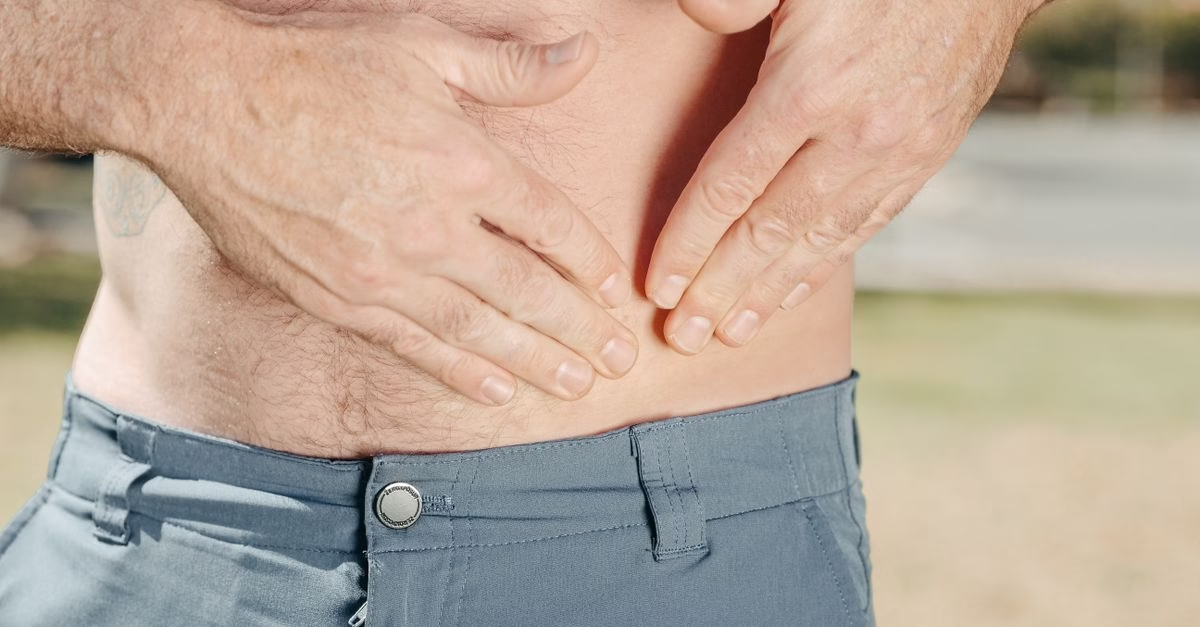
If you’ve ever asked yourself, “Why do I feel pressure in my stomach?” you’re not alone. Many people experience this sensation at one point or another, and it can range from a mild annoyance to something that feels quite uncomfortable. Understanding why you feel pressure in your stomach is key to figuring out how to address it. This feeling can stem from a variety of factors, including digestion issues, eating habits, or even emotional stress. Knowing the possible causes can help put your mind at ease.
When it comes to stomach pressure, it’s essential to listen to your body. Being aware of your symptoms can provide valuable clues about what might be happening inside you. Whether it’s occasional discomfort after a big meal or more persistent feelings of pressure, addressing these concerns can make your daily life a lot more enjoyable. In this article, we’ll delve into the many reasons behind that feeling of pressure in your stomach, what you can do about it, and when you might need to reach out to a healthcare professional for help.
What Does This Mean?
The sensation of pressure in your stomach can be confusing. Simply put, it refers to a feeling of fullness or discomfort within your abdominal area. This feeling might come along with other sensations such as bloating, cramping, or even pain. It’s often related to how your digestive system is functioning. Terms like “bloating” and “gas” may pop up in your mind—these are common words that describe similar issues. Bloating refers to a swollen feeling, while gas can lead to both pressure and discomfort…
Why Does This Happen?
One possible reason you may feel pressure in your stomach is overeating. When you consume large amounts of food, it stretches your stomach and can create a sense of fullness that feels uncomfortable. Another common factor could be your diet. Certain foods, especially those high in fat, sugar, or fiber, can trigger feelings of bloating and pressure for some people.
In some people, stress and anxiety can lead to muscle tension in the gut, which might also contribute to pressure sensations. Even though it varies from person to person, research suggests that a combination of physical and emotional factors can affect your digestive comfort.
Common Causes
Now, let’s explore some more detailed causes of why you might be feeling this pressure in your stomach:
1. Overeating
Overeating may lead to a feeling of fullness. When you consume more food than your stomach can comfortably hold, the walls of your stomach stretch, leading to pressure and discomfort. If you notice that pressure often follows particularly large meals, it might be time to rethink portion sizes and give your body time to digest.
2. Gas & Bloating
Gas results from the breakdown of food during digestion. If your gut is producing more gas than usual, it can lead to that familiar feeling of pressure. Foods known to cause gas include beans, broccoli, and carbonated drinks. If gas is a common companion to your digestive discomfort, you may want to monitor your food intake more closely.
3. Food Intolerances
Sometimes, certain foods just don’t sit well with us. Lactose intolerance (difficulty digesting dairy) and gluten sensitivity (reaction to gluten found in wheat) are common issues that can lead to pressure in the stomach after eating. Keeping a food diary may help you identify any patterns between certain foods and your symptoms.
4. Indigestion
Indigestion, sometimes referred to as dyspepsia, can cause discomfort in your upper stomach along with a sense of pressure. It can happen after eating or drinking and might make you feel full earlier than normal. There are several potential causes of indigestion, including high-fat foods and sipping beverages while eating.
5. Stress and Anxiety
Emotional factors can affect your stomach too! Stress and anxiety release certain chemicals in the body that can lead to muscle tension in your digestive tract. This tension might give you that uncomfortable pressure feeling. If stress-related symptoms are frequent, exploring relaxation techniques might be beneficial.
Signs and Symptoms to Watch For
Feeling pressure in your stomach can accompany other symptoms that may help you understand what’s going on. Here are some common symptoms to consider:
- Occasional bloating.
- Gas or cramping.
- Heartburn or acid reflux.
- Nausea.
However, some symptoms are more concerning. If you notice severe or persistent pressure, significant abdominal pain, or symptoms accompanied by fever, blood in stool, or unexplained weight loss, it may be time to consult a healthcare professional.
What Can Make it Worse?
Several lifestyle and dietary factors may worsen that pressure in your stomach:
- Diet: Eating heavy, greasy, or spicy foods can exacerbate your symptoms.
- Eating Habits: Eating too quickly can lead to swallowing air, which contributes to pressure. Take bites slowly and chew thoroughly.
- Hydration: Insufficient water intake may interfere with digestion. Staying hydrated helps your digestive system function smoothly.
- Stress Levels: High stress can worsen digestive symptoms, so finding effective stress-relief methods is important.
Foods and Drinks Related to the Topic
What you eat plays a significant role in how your stomach feels. Some foods may help alleviate pressure, while others can worsen it:
- Low-FODMAP foods, such as bananas and rice, are often easier to digest.
- Ginger tea is known for its soothing properties and may help with digestion.
- Avoiding carbonated drinks can reduce gas and hence lower pressure.
Keep in mind that everyone’s stomach is different; a food that works well for one person might not be suitable for another. A balanced diet and paying attention to how your body reacts will go a long way.
What Can We Do?
To help manage the feeling of pressure in your stomach, consider these practical steps:
- Eat Smaller Meals: By opting for smaller, more frequent meals, you may reduce pressure.
- Stay Hydrated: Drinking enough water can aid digestion and keep your stomach functioning well.
- Relax Before Eating: Taking time to relax before meals can help. Try deep breathing exercises or light stretching.
- Keep a Food Diary: If you suspect certain foods contribute to your symptoms, tracking what you eat may point you toward solutions.
When Should You See a Doctor?
While many causes of stomach pressure are not serious, certain symptoms should prompt a visit to your healthcare provider:
- Severe or persistent pain that doesn’t go away.
- Blood in stool or vomit.
- Unexplained weight loss.
- Persistent vomiting or nausea.
- Difficulty swallowing.
If your symptoms start to interfere with your daily life or if they change in nature, it’s better to err on the side of caution and consult a healthcare professional.
Frequently Asked Questions
Why am I always feeling pressure in my stomach?
Feeling constant pressure can be related to digestive issues or anxiety. It’s important to evaluate your eating habits and stress levels.
Can food cause pressure in my stomach?
Yes, certain foods, particularly those that are high in fat, sugar, or that promote gas, can lead to pressure in the stomach.
When should I worry about pressure in my stomach?
If you experience severe pain, blood in your stool, or any sudden change in symptoms, it’s best to see a healthcare provider.
Does stress make stomach pressure worse?
Absolutely! Stress can have a physical impact on your digestive system, leading to increased pressure and discomfort.
What can I do at home to relieve pressure in my stomach?
Try eating smaller meals, staying hydrated, and practicing relaxation techniques like deep breathing or yoga.
Should I avoid certain foods?
If you notice specific foods trigger your symptoms, it may be a good idea to limit those while getting to the bottom of the issue.
Is it normal to feel pressure in my stomach after eating?
A little pressure or discomfort can be normal, especially after a large meal. But if it often occurs, you may want to investigate further.
Can medications cause stomach pressure?
Some medications can influence digestion and, in turn, the feeling of pressure. Speak with your doctor if you suspect this might be the case.
What the Research Says About Why do I feel pressure in my stomach?
Various studies have examined the connections between diet, stress, and feelings of pressure in the stomach. Research indicates that dietary habits significantly impact digestive health. For example, one systematic review highlighted that a reduction in FODMAPs helps manage irritable bowel syndrome symptoms, which often include bloating and pressure (Gibson et al., 2015). Similarly, stress has been shown to alter gut motility and increase sensitivity in the gut, leading to discomfort (Dinan & Cryan, 2017).
These findings underscore the importance of understanding how both physical and emotional factors play into digestive health. By appealing to both diet and stress management, we can better strategize ways to alleviate pressure in our stomachs.
Simple Daily Habits That May Support Better Health
Incorporating small, healthy habits can support your digestive health:
- Mindful Eating: Take your time to enjoy your meals. Mindful eating can reduce overeating and enhance your digestion.
- Daily Physical Activity: Regular exercise encourages healthy digestion and may relieve feelings of pressure.
- Sufficient Sleep: Prioritize sleep. A well-rested body handles stress better, which could benefit your digestive health.
Final Thoughts
In summary, feeling pressure in your stomach can stem from various sources such as overeating, stress, and food intolerances. Understanding what’s behind that feeling can make a real difference in managing it. Keeping track of your diet and being mindful of your eating habits can help manage symptoms. It’s essential to respond to your body’s signals and know when to reach out for help.
Our bodies often provide signs that allow us to take charge of our health. When we experience persistent or severe pressure, it’s crucial to consult with a healthcare professional. Taking control of our digestive health can lead to improved comfort and overall well-being.
Sources and References
Harvard T.H. Chan School of Public Health: The Nutrition Source: Carbohydrates. Retrieved from https://www.hsph.harvard.edu/nutritionsource/carbohydrates/
Mayo Clinic: Indigestion. Published March 2023. Retrieved from https://www.mayoclinic.org/diseases-conditions/indigestion/symptoms-causes/syc-20342188
National Institutes of Health: Dietary FODMAPs and Gut Symptoms: A Review and Meta-Analysis. 2015. Retrieved from https://pubmed.ncbi.nlm.nih.gov/26273397/
Cleveland Clinic: Irritable Bowel Syndrome. Retrieved from https://my.clevelandclinic.org/health/diseases/9558-irritable-bowel-syndrome-ibs
American Gastroenterological Association: Dietary Management of Gas and Bloating. Retrieved from https://www.gastro.org/practice-center/clinical-practice-updates/dietary-management-of-gas-and-bloating
Dinan, T. G. & Cryan, J. F.: (2017) The microbiome-gut-brain axis in health and disease. Proceedings of the National Academy of Sciences. Retrieved from https://www.pnas.org/content/114/2/203
National Institute of Diabetes and Digestive and Kidney Diseases: Functional Gastrointestinal Disorders. Retrieved from https://www.niddk.nih.gov/health-information/gastrointestinal-disorders/functional-gastrointestinal-disorders
Medical Disclaimer
This article is for general educational and informational purposes only. It is not intended to provide medical advice, diagnosis, or treatment. Health conditions can affect people differently, and information that is appropriate for one person may not be appropriate for another. If you have persistent, severe, or concerning symptoms, speak with a qualified healthcare professional for personalized advice.
Further Reading
Ivf Shot Schedule: 10 Things You Should Know
Omeprazole and Alcohol: Is It Safe to Mix?
what does a growth spurt in pregnancy feel like
Photo by Kindel Media on Pexels.