Key Takeaways
- Guacamole is rich in healthy fats and nutrients.
- Moderation is key to avoid excess calories.
- Pairing guacamole with healthy options enhances its benefits.
- Always consider individual dietary needs.
Is guacamole healthy?
When considering whether is guacamole healthy, it’s important to look at its ingredients, nutritional profile, and how it fits into a balanced diet. Guacamole, a traditional Mexican dip made primarily from avocados, has gained popularity worldwide, not only for its delicious taste but also for its health benefits. In this article, we will explore the nutritional aspects of guacamole, its potential health benefits, and any considerations to keep in mind when incorporating it into your diet.
Avocados, the main ingredient in guacamole, are known for their creamy texture and unique flavor. They are also packed with nutrients that can contribute positively to your health. However, like all foods, guacamole should be consumed in moderation and as part of a varied diet. Let’s delve deeper into the specifics of guacamole and uncover whether it truly deserves a place in your healthy eating plan.
This guide will cover everything you need to know about guacamole, from its health benefits to recipes and tips for making it a part of your meals. We aim to answer the question: Is guacamole healthy?
Nutritional Breakdown of Guacamole
To understand the health implications of guacamole, it’s essential to look at its nutritional content. A typical serving of guacamole (about 2 tablespoons) contains the following nutrients:
| Nutrient | Amount per serving |
|---|---|
| Calories | 50 |
| Fat | 4.5g |
| Carbohydrates | 3g |
| Fiber | 2g |
| Protein | 1g |
| Vitamins | Vitamins C, E, K, and several B vitamins |
| Minerals | Potassium, magnesium |
As demonstrated in the table, guacamole is relatively low in calories but rich in monounsaturated fats, particularly oleic acid, which is known for its heart health benefits. Additionally, it contains a significant amount of fiber, which is essential for digestive health.
Healthy Fats
One of the standout features of guacamole is its fat content. The majority of the fat in avocados is healthy monounsaturated fat. These fats are beneficial for heart health as they can help reduce bad cholesterol levels.
- Heart Health: Monounsaturated fats can lower the risk of heart disease.
- Weight Management: Healthy fats can promote satiety, helping you feel full longer.
- Absorption of Nutrients: Healthy fats enhance the absorption of fat-soluble vitamins (A, D, E, K).
Vitamins and Minerals
Guacamole is also a source of various vitamins and minerals that contribute to overall health:
- Vitamin K: Important for bone health and proper blood clotting.
- Vitamin E: Acts as an antioxidant, protecting cells from damage.
- Potassium: Helps regulate blood pressure and supports muscle function.
Including guacamole in your diet can add these essential nutrients, especially when paired with other healthy foods.
Health Benefits of Guacamole
Now that we understand the nutritional breakdown, let’s explore the various health benefits associated with guacamole.
Supports Heart Health
The heart health benefits of guacamole primarily stem from its high content of healthy fats and potassium. Monounsaturated fats can help manage cholesterol levels, while potassium plays a crucial role in maintaining blood pressure.
Additionally, the antioxidants found in avocados help reduce inflammation, which is a significant risk factor for heart disease.
Promotes Digestive Health
Guacamole is an excellent source of dietary fiber, which is vital for digestive health. Fiber helps regulate bowel movements and can prevent constipation. A diet rich in fiber can also support beneficial gut bacteria, contributing to better overall gut health.
Moreover, the healthy fats in guacamole can help soothe the digestive tract and promote nutrient absorption, enhancing gut function.
May Aid in Weight Management
Despite being calorie-dense, guacamole can be a beneficial addition to a weight management plan. The healthy fats and fiber in guacamole can promote a feeling of fullness, helping to control appetite.
When consumed in moderation, guacamole can satisfy cravings, reducing the likelihood of reaching for less healthy snacks.
How to Enjoy Guacamole Healthily
While guacamole offers numerous health benefits, it’s essential to enjoy it in a balanced way. Here are some tips on how to incorporate guacamole into your diet while keeping it healthy:
Portion Control
Given its calorie density, it’s crucial to watch portion sizes when consuming guacamole. Aim for about 2 tablespoons per serving, which is generally enough to reap the benefits without overdoing it.
Consider using guacamole as a spread or dip rather than the main component of your meal to help control portions.
Pairing with Healthy Foods
Pairing guacamole with nutritious foods can enhance its health benefits. Here are some excellent pairing options:
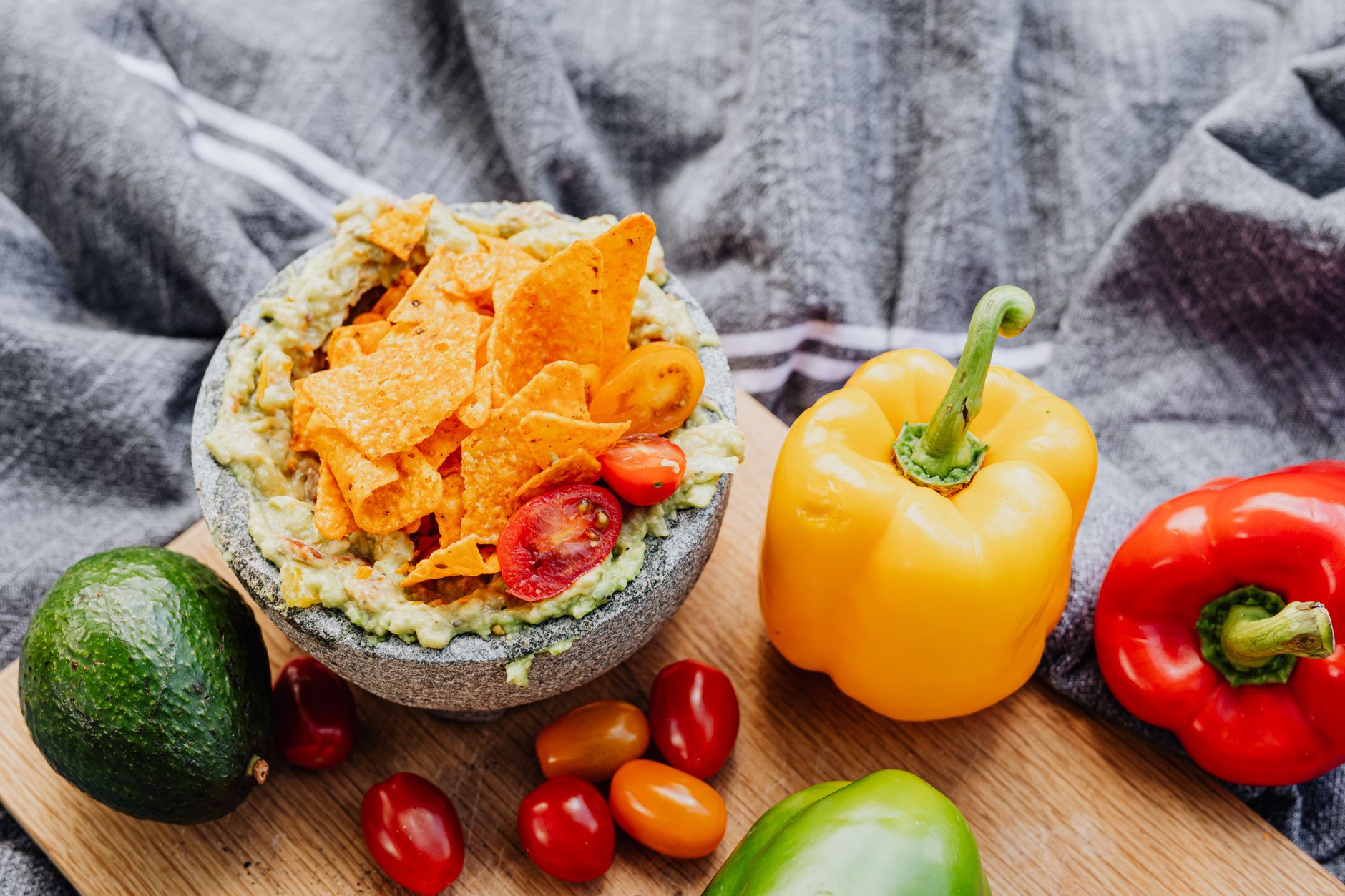
- Vegetables: Use guacamole as a dip for fresh vegetables like carrots, celery, or bell peppers.
- Whole Grains: Spread guacamole on whole-grain toast or use it as a topping for brown rice or quinoa bowls.
- Lean Proteins: Combine guacamole with grilled chicken or fish to create a balanced meal.
Homemade vs. Store-Bought
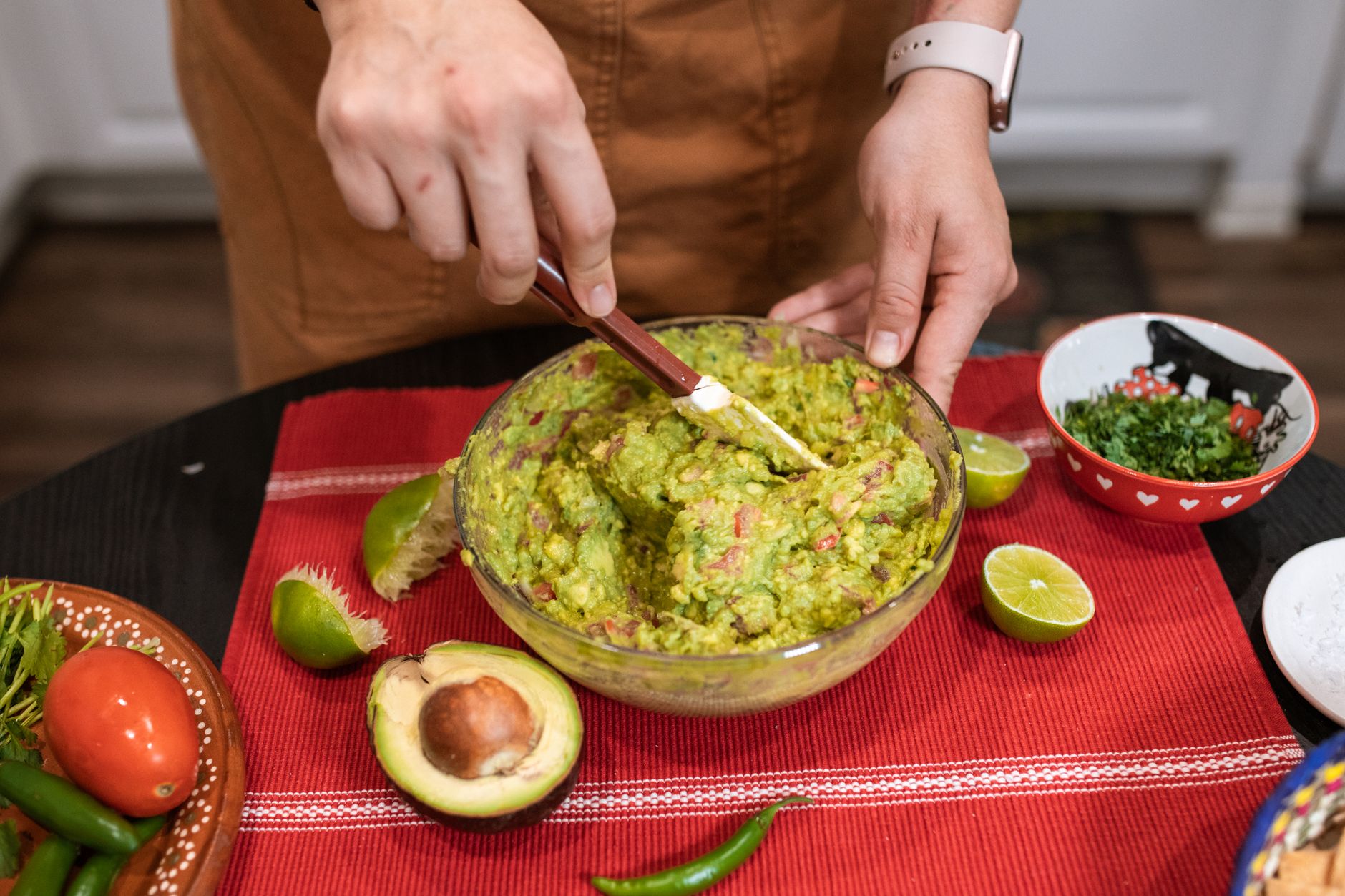
Making guacamole at home allows you to control the ingredients, portion sizes, and flavor. Store-bought versions may contain added preservatives, unhealthy fats, or excessive sodium. Here’s a simple homemade guacamole recipe:
- 2 ripe avocados
- 1 lime, juiced
- 1 small onion, diced
- 1 tomato, diced
- Salt and pepper to taste
Simply mash the avocados in a bowl, mix in the other ingredients, and enjoy!
Potential Considerations
Although guacamole is generally healthy, there are some considerations to keep in mind:
Caloric Density
Avocados are high in calories due to their fat content. While these are healthy fats, consuming too much can lead to excess calorie intake, which may contribute to weight gain. Always be mindful of portion sizes to avoid unintentional overeating.
Allergies and Sensitivities
While rare, some individuals may have an avocado allergy or sensitivity. Symptoms can include itching, swelling, or gastrointestinal distress. If you experience any adverse effects after consuming guacamole, consult a healthcare provider.
High Sodium Content in Store-Bought Varieties
Many store-bought guacamoles can be high in sodium, which can be a concern for individuals managing blood pressure. Always check labels and opt for low-sodium options or make guacamole at home to control the salt content.
Guacamole and Heart Health
The Role of Avocados in Cardiovascular Health
Avocados, the primary ingredient in guacamole, are known for their heart-healthy properties. They are rich in monounsaturated fats, specifically oleic acid, which has been linked to reduced inflammation and improved cholesterol levels. According to the American Heart Association, replacing saturated fats with unsaturated fats can decrease the risk of heart disease. Incorporating avocados into a balanced diet may contribute to better heart health.
Several studies suggest that regular consumption of avocados can lower levels of low-density lipoprotein (LDL) cholesterol, often referred to as “bad” cholesterol. This is crucial because high LDL levels are a significant risk factor for developing cardiovascular diseases. Furthermore, avocados contain potassium, which helps regulate blood pressure.
- Monounsaturated fats
- Potassium
- Fiber content
Impact on Inflammation and Blood Pressure
Chronic inflammation is a precursor to many health conditions, including heart disease. The antioxidants present in avocados, such as carotenoids and tocopherols, may help reduce inflammation markers in the body. Including guacamole in your diet could potentially aid in managing inflammatory responses.
Guacamole can also contribute to maintaining healthy blood pressure levels. The high potassium content in avocados works to balance sodium levels in the body, which is essential for healthy blood pressure regulation. The DASH (Dietary Approaches to Stop Hypertension) diet emphasizes the importance of potassium-rich foods for lowering blood pressure, and avocados fit perfectly into this dietary pattern.

Guacamole and Weight Management
The Role of Fiber in Satiety
One of the significant components of guacamole is its dietary fiber content, primarily derived from avocados. Fiber plays a crucial role in promoting satiety, or the feeling of fullness after eating. This can help individuals manage their weight more effectively by reducing overall calorie intake. A diet high in fiber is associated with lower body weight and reduced risk of obesity.
Research indicates that foods high in fiber can lead to a decrease in hunger hormone levels, which can further assist in weight management. Incorporating guacamole into meals as a topping or dip can enhance the fiber content of your diet while providing a satisfying taste.
- Promotes satiety
- Regulates hunger hormones
- Supports healthy digestion
Healthy Fats for Weight Loss
While fats are often viewed as detrimental to weight loss efforts, the healthy fats found in avocados can actually support weight management. Monounsaturated fats are metabolized differently than saturated fats, potentially leading to improved body composition. Studies have shown that diets rich in healthy fats can lead to a greater feeling of fullness and reduced cravings, which is beneficial for those looking to lose weight.
Furthermore, healthy fats are essential for absorbing fat-soluble vitamins such as A, D, E, and K. Including a serving of guacamole can thus enhance the nutritional value of meals, ensuring that the body receives essential nutrients needed for overall health.
Guacamole’s Role in a Balanced Diet
Incorporating Guacamole in Various Diets
Guacamole is a versatile food that can easily fit into various dietary patterns, including vegetarian, vegan, and Mediterranean diets. Its nutrient density and flavor make it an excellent addition to a wide range of meals. For vegetarians and vegans, guacamole serves as a rich source of healthy fats and essential nutrients that are often less abundant in plant-based diets.
In the Mediterranean diet, guacamole can be paired with whole-grain pita, fresh vegetables, or used as a spread on whole-grain bread. This enhances the meal’s overall health benefits while providing a delicious and satisfying flavor. For those following a low-carb or ketogenic diet, guacamole can be a perfect accompaniment to protein-rich foods, allowing for a satisfying meal without excessive carbohydrates.
- Vegetarian and vegan-friendly
- Complementary to the Mediterranean diet
- Low-carb and ketogenic compatible
Portion Control and Balanced Meals
While guacamole is nutrient-rich, it is also calorie-dense due to its fat content. Practicing portion control is essential to ensure that guacamole contributes positively to your diet without leading to excessive calorie intake. A standard serving size is about two tablespoons, which provides a healthy dose of fats, fiber, and vitamins without overloading on calories.
To create a balanced meal that includes guacamole, consider pairing it with lean proteins, whole grains, and a variety of vegetables. This approach ensures that you receive a wide array of nutrients and supports overall health. For instance, using guacamole as a topping for grilled chicken or fish, alongside a side of quinoa and steamed vegetables, can create a satisfying and balanced meal.
Guacamole and Digestive Health
Fiber Content and Digestive Benefits
Guacamole is rich in dietary fiber, primarily due to its main ingredient, avocados. A single serving of guacamole can provide up to 3 grams of fiber, which is crucial for maintaining digestive health. Fiber helps to regulate bowel movements, prevent constipation, and promote a healthy gut microbiome.
Moreover, dietary fiber has been shown to aid in the prevention of gastrointestinal disorders, such as diverticulitis. By including guacamole in your diet, you can increase your fiber intake and thus support overall digestive function.
Fermentation Potential
Adding fermented components like yogurt or kefir to guacamole can enhance its health benefits. Fermented foods are known for their probiotic content, which contributes positively to gut health. These probiotics can help in maintaining a balanced gut flora, which is essential for digestion and overall well-being.
To make a probiotic-rich guacamole, consider incorporating ingredients such as:
- Yogurt
- Kefir
- Fermented hot sauce

Guacamole and Skin Health
Nutrients Beneficial for Skin
Avocados are loaded with vitamins and antioxidants that are beneficial for skin health. Key nutrients, such as vitamins E and C, play a significant role in maintaining skin elasticity and hydration. Vitamin E acts as an antioxidant, protecting the skin from oxidative stress, while vitamin C is essential for collagen synthesis.
Additionally, the healthy fats in guacamole help to retain moisture in the skin, giving it a more youthful appearance. Regular consumption of guacamole can contribute to a radiant complexion.
Topical Applications
Beyond dietary benefits, guacamole can also be used in natural skincare routines. Avocado’s nourishing properties make it an excellent base for homemade face masks. Consider the following simple recipes:
- Mashed avocado with honey for hydration
- Guacamole mixed with oatmeal for gentle exfoliation
- Avocado and lemon juice for a brightening mask
Guacamole in Cultural Contexts
Traditional Uses of Guacamole
Guacamole has deep cultural roots, especially in Mexican cuisine. Traditionally, it is made using simple, fresh ingredients like avocados, lime juice, onions, and cilantro. This traditional preparation not only emphasizes the flavors of the ingredients but also retains their nutritional value.
In Mexico, guacamole is often served as part of a larger meal, accompanied by dishes such as tacos or quesadillas, highlighting its role in a balanced diet.
Modern Variations and Trends
In recent years, guacamole has gained popularity in various culinary settings, leading to innovative variations. Some popular modern twists include:
- Spicy guacamole with jalapeños
- Fruity guacamole with mango or pineapple
- Guacamole with herbs like basil or mint
These variations not only enhance the flavor profile but also introduce new nutrients, making guacamole an increasingly versatile option in contemporary diets.
Frequently Asked Questions
Is guacamole good for weight loss?
Guacamole can be part of a weight loss plan when consumed in moderation due to its healthy fats and fiber, which promote satiety.
Can I eat guacamole every day?
Yes, guacamole can be eaten daily in moderation. It’s a nutritious food that provides healthy fats and various vitamins when included as part of a balanced diet.
Is guacamole vegan?
Yes, guacamole is vegan as it is made from avocados and other plant-based ingredients, making it suitable for those following a vegan diet.
How can I make guacamole healthier?
To make guacamole healthier, use fresh ingredients, control portion sizes, and pair it with vegetables or whole grains rather than high-calorie chips.
The Bottom Line
In summary, guacamole is a healthy addition to a balanced diet when consumed in moderation. It is rich in healthy fats, fiber, and essential nutrients that can support heart health, digestive health, and weight management. By being mindful of portion sizes and pairing it with nutritious foods, you can enjoy guacamole as a delicious and beneficial part of your meals.
Note: This article is for general information only and is not medical advice. See a qualified health professional about your own situation.