Key Takeaways
- Probiotics are beneficial live microorganisms that support digestive health and balance the gut microbiome.
- Fermented foods like yogurt, kefir, kimchi, and sauerkraut are excellent natural sources of probiotics.
- A diet low in fiber and high in processed foods can negatively impact gut health.
- Consistent, small dietary changes can help improve digestion and overall well-being.
If you’ve been wondering, “What foods contain probiotics?” you’re not alone! Many people are becoming more interested in the role of probiotics in health, especially as they learn about gut health and digestion. Probiotics are live microorganisms, often referred to as “good” bacteria, that play a vital role in our digestive system. Eating foods rich in these beneficial microbes can help support our gut health and overall well-being.
When searching for foods containing probiotics, you might be looking to feel better, improve digestion, or simply make healthier choices. Including probiotic-rich foods in your diet can be a delicious way to boost your gut health. But what exactly are these foods, and how do they work? Let’s dive into the world of probiotics and discover which tasty treats can help you on your health journey!
What are Probiotics?
So, let’s break it down, what are probiotics? Essentially, probiotics are live bacteria and yeasts that are good for your health, especially your digestive system. While we often think of bacteria as something that makes us sick, many bacteria are actually helpful! Probiotics help balance the gut microbiome, which is the collection of all the microbes living in your intestines. A healthy gut can influence digestion, immunity, and even your mood.
You might come across terms like ‘fermented foods’ when talking about probiotics. Fermentation is a process that encourages the growth of good bacteria. This is where many probiotic-rich foods come into play! Foods like yogurt, kefir, sauerkraut, and kimchi are just a few examples that can help you introduce beneficial bacteria into your diet.
Why Do We Need Probiotics?
One possible reason for incorporating probiotics is that they help keep our gut healthy. Research suggests that they may aid digestion, reduce bloating, and improve overall gut health. Probiotics can also be beneficial after taking antibiotics, as these medications can kill both good and bad bacteria. By eating probiotic-rich foods, some people may restore the balance in their gut flora.
Another common factor is that a diet lacking in fiber and probiotics might lead to digestive issues. In some people, irregular eating habits or high-stress levels can worsen gut health. By adding more probiotics into your meals, you might find that your digestion improves, helping you feel more at ease.
Common Causes of Probiotic Deficiency
It’s important to recognize that various lifestyle choices can lead to an imbalance of gut bacteria. Here are some common causes:
- Diet: A diet low in fiber can affect the good bacteria in your gut. Whole foods rich in fiber, prebiotics, and probiotics support a healthy microbiome.
- Antibiotic Use: While antibiotics are essential for treating infections, they can disrupt your gut bacteria. This is why probiotics are often recommended after taking these medications.
- Stress: High levels of stress can negatively impact your gut health. Stress management through mindfulness and healthy food choices can help.
Each of these factors may play a role, and what works for one person may not work for another. That’s why it’s a good idea to listen to your body and see how it reacts over time.
Signs and Symptoms to Watch For
If you’re curious about whether your gut health is where it should be, here are some common signs that might indicate a need for probiotics:
- Bloating: Feeling uncomfortable or distended after meals can be a sign of digestive imbalance.
- Irregular Bowel Movements: Both constipation and diarrhea can signal that your gut is out of sync.
- Frequent Infections: A compromised immune system can also suggest a lack of healthy gut bacteria.
However, it’s important to note that occasional discomfort is normal, but persistent symptoms, especially those that worsen, may warrant a chat with a healthcare professional.
What Can Make Gut Health Worse?
There are various factors that can contribute to poor gut health, including:
- Poor Diet: High sugar and fat diets can harm gut bacteria.
- Processed Foods: Foods low in nutrients but high in additives can negatively affect digestive health.
- Lack of Sleep: Sleep is crucial for overall health, and insufficient rest can affect gut function.
These lifestyle contributors can play a role in hindering your gut health. Making small changes can help improve your overall digestion.
Foods and Drinks That Contain Probiotics
Now, let’s equalize the scoreboard! Here’s a rundown of foods that are known for being jam-packed with probiotics:
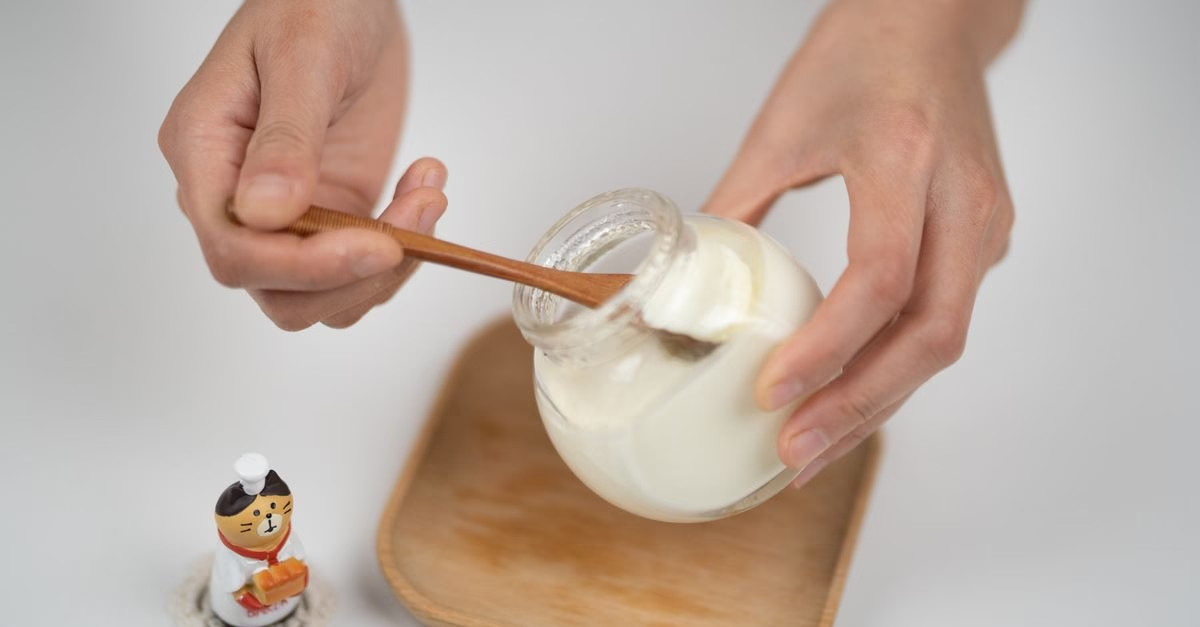
- Yogurt: One of the most popular probiotic foods. Look for labels that say “live and active cultures.”
- Kefir: A fermented milk drink that’s even richer in probiotics than yogurt.
- Kimchi: A spicy, fermented vegetable mix that’s famous in Korean cuisine.
- Sauerkraut: Fermented cabbage that can be a tasty topping on meals.
- Miso: A fermented soybean paste that can add a kick to soups and dressings.
- Tempeh: A fermented soy product that can be a great meat substitute.
- Pickles: Naturally fermented pickles made in brine (not vinegar) can contain probiotics.
Some of these may sound familiar, while others may inspire you to venture outside your usual food choices. These foods can easily be incorporated into your meals and snacks!
What Can We Do?
Incorporating more probiotics into your diet can be a fun and delicious task! Here are some simple steps:
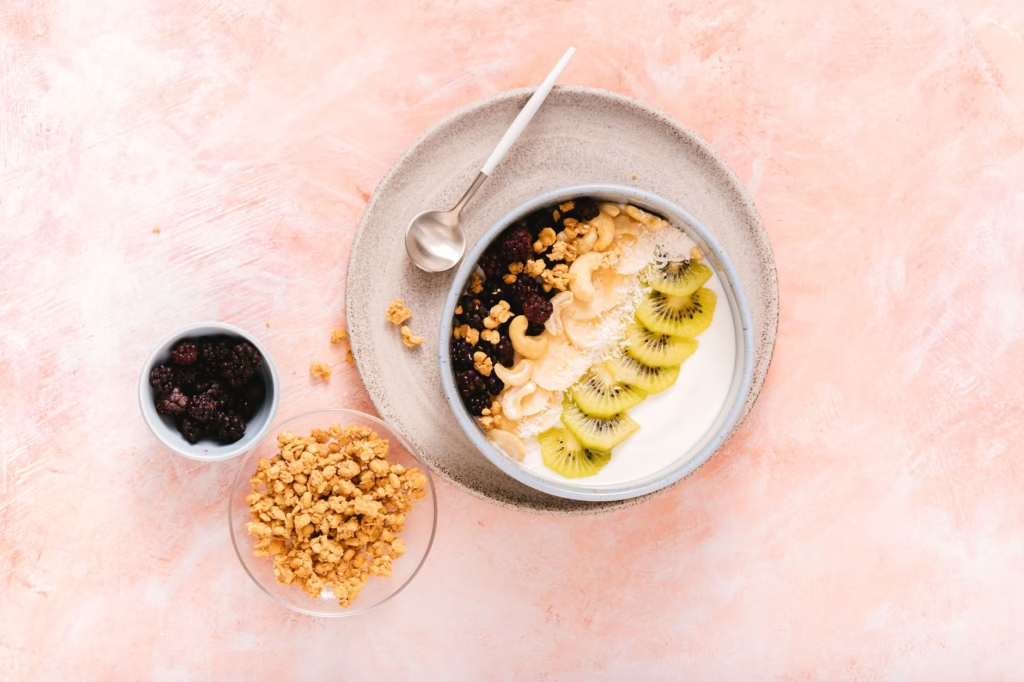
- Start Your Day with Yogurt: Enjoy yogurt topped with fruits and nuts for breakfast.
- Snack on Kefir: Drink kefir as a mid-morning snack or in smoothies.
- Add Sauerkraut to Meals: Top your favorite sandwiches or salads with a spoon of sauerkraut.
- Mix Miso into Soups: Use miso paste in broths or soups for added flavor and health benefits.
Remember, consistency is key! Regularly consuming these foods can help support gut health without overwhelming changes.
When Should You See a Doctor?
While probiotics can be beneficial, there are times when professional advice might be warranted. If you experience:
- Severe or persistent abdominal pain
- Changes in bowel habits that last more than a few days
- Blood in your stool
- Unexplained weight loss
These symptoms may indicate a more serious issue. It’s always wise to consult with a healthcare professional if you have concerns.
Frequently Asked Questions
Why am I always searching for foods containing probiotics?
You might be looking to improve gut health, ease digestion discomfort, or just curious about healthy eating options.
Can food cause digestive issues?
Yes, certain foods can contribute to digestive problems. A diet low in fiber and probiotics may worsen symptoms.
When should I worry about my gut health?
If you experience persistent symptoms, such as ongoing bloating or changes in bowel habits, it’s wise to consult a doctor.
How do I know if a food has probiotics?
Look for labels that mention “live and active cultures” on fermented products.
Are all pickles made with probiotics?
No, pickles made with vinegar do not contain probiotics. Fermented pickles made in brine may have beneficial bacteria.
Do I need to take probiotic supplements?
While some may benefit from supplements, getting probiotics from food seems to be the healthiest approach for many.
How long does it take to feel the benefits of probiotics?
Some people may notice improvements within a few days, while others may take weeks. It can vary based on diet and other factors.
Can children have probiotics?
Many probiotic foods can be safe for children, but it’s best to consult with a pediatrician regarding supplements.
What the Research Says About Probiotics
Research on probiotics continues to evolve, but many studies highlight their potential benefits. Systematic reviews have shown that probiotics can help alleviate certain gastrointestinal issues, such as irritable bowel syndrome (IBS) and antibiotic-associated diarrhea. A comprehensive study by the National Institutes of Health indicates that probiotics might also play a role in enhancing overall gut health.
However, it’s essential to understand that while probiotics show promise, they aren’t a cure-all. The effects can vary from person to person, depending on their unique health circumstances and dietary habits. More research is needed to fully understand the extent of benefits these tiny organisms can offer.
Simple Daily Habits That May Support Better Health
In addition to including probiotic-rich foods, adopting some simple daily habits can further support gut health:
- Stay Hydrated: Drinking plenty of water can aid digestive processes.
- Eat a Balanced Diet: Incorporating a variety of whole foods can foster a healthy microbiome.
- Manage Stress: Practicing relaxation techniques may improve gut health.
- Get Regular Exercise: Physical activity helps promote regular digestive functions.
Implementing these habits can complement your efforts in maintaining gut health.
Final Thoughts
We often underestimate the importance of a healthy gut, but it’s clear that our dietary choices play a significant role in how we feel. Incorporating foods that contain probiotics can be a flavorful way to enhance our gut health and overall well-being. Remember that a balanced approach, combining probiotics with fiber-rich foods and healthy habits, can be beneficial.

If we notice persistent or concerning symptoms, it’s essential to keep an open line of communication with our healthcare provider. Together, we can stay informed and make choices that support our health!
Sources and References
National Institutes of Health: Probiotics: What You Need to Know. 2022. https://www.nccih.nih.gov/health/probiotics-what-you-need-to-know
Cleveland Clinic: Probiotics: What They Are and Their Benefits. 2021. https://my.clevelandclinic.org/health/diseases/9639-probiotics
Mayo Clinic: Probiotic Foods: What They Are and Benefits. 2022. https://www.mayoclinic.org/healthy-lifestyle/nutrition-and-healthy-eating/in-depth/probiotics/art-20045777
Harvard T.H. Chan School of Public Health: The Nutrition Source: Probiotics. 2023. https://www.hsph.harvard.edu/nutritionsource/probiotics/
American Gastroenterological Association: Probiotics and Prebiotics. 2023. https://www.gastro.org/practice-guidance/guidelines/probiotics

Medical Disclaimer
This article is for general educational and informational purposes only. It is not intended to provide medical advice, diagnosis, or treatment. Health conditions can affect people differently, and information that is appropriate for one person may not be appropriate for another. If you have persistent, severe, or concerning symptoms, speak with a qualified healthcare professional for personalized advice.
Further Reading
Ivf Shot Schedule: 10 Things You Should Know
Omeprazole and Alcohol: Is It Safe to Mix?
what does a growth spurt in pregnancy feel like
Photo by Cats Coming on Pexels.
Frequently Asked Questions
Can probiotics help with weight management?
While research is ongoing, some studies suggest that gut health influences metabolism. However, probiotics are not a weight loss solution and should be part of a balanced lifestyle.
Are there side effects to eating probiotic foods?
Some people may experience temporary gas or bloating when first increasing their intake of fermented foods. It is best to introduce them gradually to allow your system to adjust.
Should I choose supplements or food for probiotics?
Most health experts recommend getting nutrients from whole foods first. Food sources provide a variety of beneficial bacteria along with other essential nutrients.
Do all yogurts contain probiotics?
No, not all yogurts are created equal. Check the label for live and active cultures, as some processing methods can destroy the beneficial bacteria.
The Bottom Line
Prioritizing your gut health through natural, probiotic-rich foods is a simple and delicious way to support your body. By choosing fermented staples and maintaining healthy lifestyle habits, you can encourage better digestion and overall wellness. Remember to listen to your body and consult a professional if you experience persistent symptoms.