





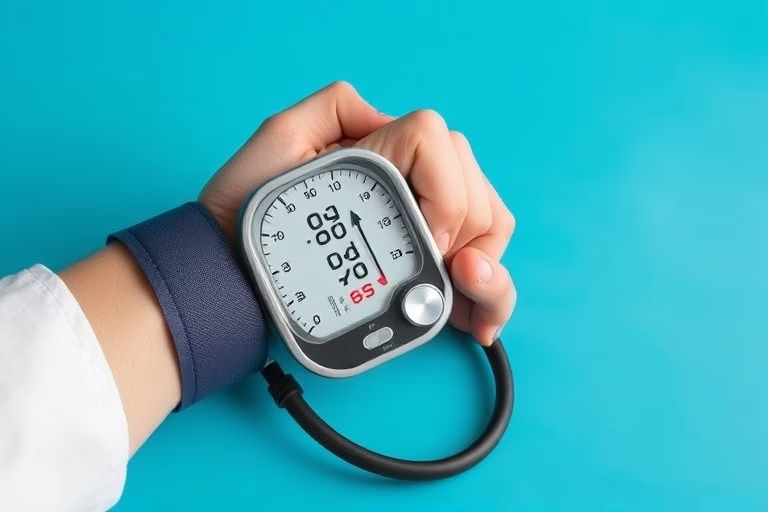
High blood pressure, also known as hypertension, is a significant health concern that many individuals face. It is a condition where the force of the blood against the artery walls is too high, which can lead to various cardiovascular diseases, including stroke and heart attack. When an individual experiences high blood pressure, it not only affects their health but also their ability to work. This raises the question: **Is high blood pressure covered under FMLA?** The Family and Medical Leave Act (FMLA) provides job protection and unpaid leave for qualifying medical conditions, but many are unaware of how this applies to hypertension.
FMLA is a federal law that allows eligible employees to take up to 12 weeks of unpaid leave in a 12-month period for specific family and medical reasons. **High blood pressure can qualify as a serious health condition** when it meets certain criteria, which can be confusing for both employees and employers. Understanding whether high blood pressure is covered under FMLA is essential for employees trying to manage their health and work commitments effectively.
1. Understanding High Blood Pressure
High blood pressure refers to the condition where the arterial blood pressure consistently exceeds the normal range of 120/80 mm Hg. It can be classified into two categories: primary (essential) hypertension, which develops gradually over the years without a specific cause, and secondary hypertension, which can occur due to underlying conditions such as kidney disease, hormonal disorders, or certain medications. Understanding how this condition affects bodily functions is critical, as it can lead to serious health problems, such as heart disease, kidney damage, and vision loss.
Furthermore, many individuals with high blood pressure experience few, if any, symptoms, which complicates early diagnosis. Regular monitoring of blood pressure is crucial, as it allows individuals to stay aware and take action promptly if their readings are concerning. Weight management, dietary changes, physical activity, and sometimes medication are essential in managing high blood pressure effectively.
2. What is FMLA?
The Family and Medical Leave Act (FMLA) was enacted in 1993 to safeguard employees’ jobs while they take leave for personal or family health reasons. Eligible employees can take unpaid leave for up to 12 weeks per year, ensuring job protection upon return. The act covers several medical conditions, including serious health issues that necessitate ongoing treatment, making it crucial for individuals managing chronic conditions such as high blood pressure to understand how FMLA applies to them.
FMLA not only provides employees with time to address their medical needs but also protects their job security during their leave. Knowing the specifics of FMLA eligibility can empower affected individuals to make informed decisions about their health and employment situations.
3. FMLA Eligibility Criteria
To qualify for FMLA leave, employees must meet specific criteria set forth by the U.S. Department of Labor. Employees must have worked for their employer for at least 12 months and must have completed at least 1,250 hours of service during the preceding 12 months. Additionally, the employer must be a covered entity under the FMLA, which typically includes public agencies and private-sector employers with 50 or more employees within a 75-mile radius.
It is vital to note that not all health conditions qualify for FMLA coverage. For high blood pressure to be deemed a serious health condition, it should require ongoing treatment, lead to incapacity for more than three days, or necessitate multiple treatments or chronic conditions. Therefore, understanding how high blood pressure might impact one’s ability to work is pivotal when considering FMLA eligibility.
4. High Blood Pressure as a Serious Health Condition
To determine if high blood pressure qualifies as a serious health condition under FMLA, it is essential to understand the severity of the condition. If the hypertension is well-managed with lifestyle changes or medication, it may not be considered serious to the extent that it impairs the individual’s ability to work. However, if the condition deteriorates, becomes uncontrolled, or leads to complications requiring medical intervention, it may qualify under FMLA guidelines.
Having a clear diagnosis, ongoing medical treatment, and substantial documentation from healthcare providers is integral when asserting that high blood pressure qualifies for FMLA protections. Employers are often required to comply with verification requests to validate the seriousness of the condition, aligning with the intent of the FMLA to safeguard employees’ health needs.
5. Taking FMLA Leave for High Blood Pressure
Employees facing challenges due to high blood pressure may choose to take FMLA leave to seek necessary treatment or manage the condition better. It is essential to inform employers formally about the decision to take leave, providing necessary medical documentation without violating privacy rights. This process can be daunting, but understanding the requirements can help alleviate anxiety regarding job security during medical leave.
FMLA allows flexibility for employees by not only encompassing leave for treatment but also for attending regular doctor visits or recovery periods after health-related episodes. This ensures employees can prioritize their health without fear of job loss. Furthermore, employees can also use intermittent leave or reduced leave schedules under FMLA if the medical need arises, significantly increasing the flexibility of managing chronic health conditions.
6. Continuing Medical Treatment While on Leave
It is crucial for employees with high blood pressure to maintain a consistent treatment regimen even while on FMLA leave. This includes attending scheduled appointments with healthcare providers, keeping up with medications, and making necessary lifestyle changes as recommended. Adhering to treatment guidelines helps ensure that the condition remains manageable and prevents complications from arising.
Moreover, maintaining open communication with healthcare providers during FMLA leave can provide the support required to manage stress and improve overall health outcomes. Regular follow-ups can lead to adjustments in treatment plans that can further reduce blood pressure levels and enhance quality of life.
7. Employment Rights During FMLA Leave
Understanding employee rights during FMLA leave is essential for those dealing with high blood pressure. Employees are entitled to return to their previous position or an equivalent position with the same pay, benefits, and working conditions after their leave expires. Employers cannot discriminate against employees for taking FMLA leave or retaliate by penalizing them upon their return.
Moreover, employers must maintain benefits and healthcare coverage during the FMLA leave period, allowing employees to continue receiving necessary care. Ensuring clarity around these rights can alleviate concerns regarding job stability and reinforce the importance of prioritizing health without compromising career prospects.
8. Challenges in Securing FMLA Leave for High Blood Pressure
Even when high blood pressure meets the criteria for FMLA, employees may face challenges in securing leave. Employers may contest claims or request additional documentation, which can complicate an already stressful situation for the affected individual. Employees need to remain informed about their rights under FMLA to navigate these challenges effectively.
Moreover, maintaining open dialogues with HR departments and supervisors about health needs can help mitigate misunderstandings. It is advisable to document all communications and requests related to FMLA leave to protect oneself against potential disputes.
9. Alternative Options Beyond FMLA Leave
For individuals whose high blood pressure does not warrant the necessary leave under FMLA, alternative options exist, like short-term disability leave or flexible work arrangements. Some employment contracts may offer other leave options that can support health management without compromising job responsibilities.
Employees might explore options such as telecommuting, flexible hours, or reduced workloads to accommodate treatment schedules. Discussing these alternatives with employers can highlight their proactive approaches to managing chronic health conditions, fostering a supportive work environment.
10. The Importance of Advocacy and Support
Advocating for oneself is fundamental when managing high blood pressure at work. Employees must educate themselves on their rights under FMLA and actively participate in discussions with healthcare providers and employers regarding their health needs. Seeking assistance from support groups and legal resources can also empower individuals to navigate their health journey while ensuring job security effectively.
Building a solid support network can further enhance stress management and improve overall mental wellness when dealing with high blood pressure. Sharing experiences and advice among peers can provide valuable insights, ensuring those affected do not feel isolated in their struggles.
In conclusion, understanding the relationship between high blood pressure and FMLA is essential for individuals living with this condition. With clear eligibility criteria and protections in place, employees can effectively manage their health while maintaining job security. High blood pressure is recognized as a serious health condition under the FMLA when it necessitates ongoing medical treatment, leads to incapacity, or results in multiple healthcare consultations. By maintaining clear communication with employers, fulfilling documentation requirements, and adhering to recommended treatment plans, individuals can navigate their health concerns and workplace responsibilities. In case FMLA is unattainable, exploring alternative options and advocacy can create supportive avenues for managing health needs effectively.
Frequently Asked Questions
1. Is high blood pressure automatically covered under FMLA?
No, high blood pressure must meet specific criteria to be classified as a serious health condition under FMLA, such as requiring ongoing medical treatment or resulting in incapacity.
2. How can I specifically request FMLA leave for high blood pressure?
To request FMLA leave, formally inform your HR department or supervisor of your condition, providing required medical documentation that outlines your need for leave.
3. Can my employer retaliate against me for taking FMLA leave?
No, FMLA protects employees from retaliation due to taking leave for qualified medical reasons, including high blood pressure.
4. What if my employer denies my FMLA request for high blood pressure?
If denied, you can appeal the decision with your HR department and may also consider seeking legal guidance to understand your rights further.
5. Are there alternatives to FMLA for managing high blood pressure?
Yes, alternatives like short-term disability leave, flexible work options, or telecommuting may offer solutions for managing health without FMLA under specific circumstances.
Further Reading
What Type of Psychotherapy Is Best for Anxiety?