We will be talking about IVF after salpingectomy, a procedure that often arises following certain medical situations involving the fallopian tubes. Salpingectomy is a surgical procedure that involves the removal of one or both fallopian tubes. This can occur due to various reasons, including ectopic pregnancy, pelvic inflammatory disease, or other health complications. As a result, some women may experience challenges in conceiving naturally. In such cases, In Vitro Fertilization (IVF) can be an effective alternative for achieving pregnancy.
IVF is a process where an egg is combined with sperm outside the body in a laboratory. The resulting embryo is then transferred to the uterus, providing a viable pathway for conception even when natural options are limited. Understanding how IVF works, especially after a salpingectomy, can help women make informed decisions regarding their reproductive health. This document discusses various factors related to IVF following salpingectomy, ensuring that women are well-informed on the subject.
Understanding Salpingectomy
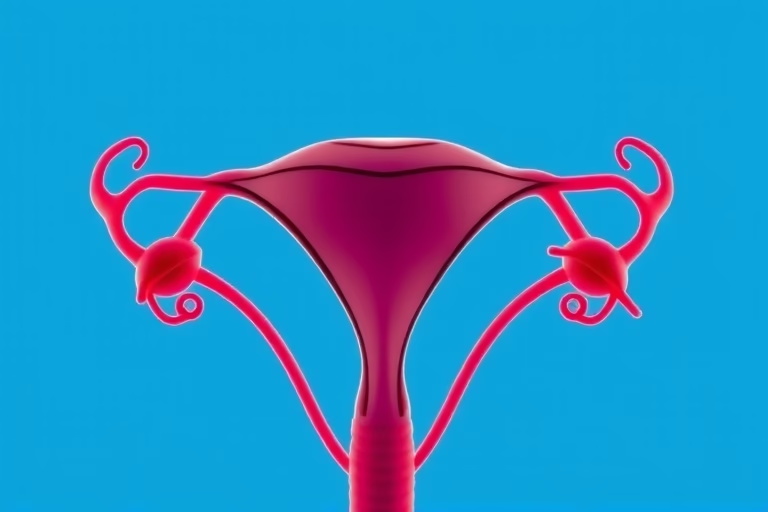
Salpingectomy is performed for different medical conditions impacting the fallopian tubes. The fallopian tubes are critical for fertilization, as they provide the transport route for eggs and sperm. When these tubes are damaged or removed, women may face fertility challenges. Knowing the reasons and consequences of salpingectomy is essential for understanding the subsequent steps toward conception.
In many cases, the removal of one fallopian tube (unilateral salpingectomy) may not drastically affect a woman’s fertility, as the remaining tube can still function normally. However, the complete removal of both tubes (bilateral salpingectomy) poses more significant challenges, making IVF a recommended route for conception. The procedure allows for eggs to be fertilized outside the body, bypassing any abnormalities in the fallopian tubes.
Understanding the implications of salpingectomy is crucial for those looking into IVF options. Consulting with healthcare providers ensures that patients receive personalized care and treatment plans tailored to their individual needs.
IVF Process Overview
The IVF process consists of several stages aimed at facilitating fertilization and implantation. Initially, ovarian stimulation is undertaken to promote egg production. Once the eggs are sufficiently mature, they are retrieved from the ovaries through a minor surgical procedure.
In vitro fertilization involves combining the retrieved eggs with sperm in a controlled laboratory setting. The fertilized eggs develop into embryos, which are monitored for quality over a few days before implantation into the uterus. The process typically includes the following steps:
- Ovarian Stimulation
- Egg Retrieval
- Fertilization
- Embryo Culture
- Embryo Transfer
Each phase is essential, and monitoring is vital for determining the best methods for achieving successful fertilization. With proper care and attention, individuals undergoing IVF can maximize their chances of achieving a successful pregnancy.
Pre-IVF Considerations
Before commencing an IVF cycle, several important considerations should be addressed. Consulting with fertility specialists to evaluate personal health, fertility history, and any previous treatments is crucial. Some important factors to consider include:
- Overall health and wellness
- Description of menstrual cycles
- Any underlying medical conditions
- Family history of fertility-related issues
These elements directly influence the IVF process and outcomes. Women may also undergo various tests to check hormone levels, evaluate ovarian function, and assess the overall health of the uterus. Understanding these factors can help in establishing a comprehensive strategy tailored to each individual’s situation, improving the likelihood of a successful IVF experience.
Emotional Impact of IVF
IVF can be emotionally taxing for individuals and couples undergoing treatment. The anticipation and uncertainty can lead to feelings of anxiety, stress, and sometimes depression. Recognizing and addressing these emotions is critical for overall well-being during the process. Seeking psychological support, whether through therapy or support groups, is beneficial. Partners are encouraged to engage in open discussions about feelings and concerns, promoting mutual understanding during the journey.
Additionally, developing coping strategies and practicing self-care can positively affect mental health. Engaging in activities you enjoy, maintaining social connections, and setting realistic expectations for the IVF journey are helpful steps in managing emotional health during this challenging phase.
Success Rates of IVF After Salpingectomy
The success rates of IVF can vary based on individual health factors, including age and hormonal balance. Generally, women who have undergone salpingectomy may still have viable chances of conceiving through IVF. Studies suggest that the success rates are generally comparable to women without previous fallopian tube issues, depending on various factors.
Age often plays a significant role in the success of IVF treatments. Younger women typically have higher success rates due to better egg quality. It is essential to have realistic expectations and to discuss personal success rates with a fertility specialist. Individual factors, including medical history and lifestyle, also have an impact on outcomes.
Moreover, the quality of the fertility clinic and the methods used in IVF can significantly influence success rates. Researching clinics, understanding their success rates, and reviewing patient testimonials can provide insights into the best choices for treatment.
Cost Considerations for IVF
The financial aspect of undergoing IVF is often a significant concern for individuals and couples. Costs can fluctuate based on geographical location, the clinic’s reputation, and the specific treatments required. Undergoing IVF may include a range of expenses:
- Initial consultations and testing
- Medications for ovarian stimulation
- Egg retrieval and laboratory fees
- Embryo freezing and storage fees
- Follow-up consultations and monitoring
Insurance coverage can also play a pivotal role in determining how much individuals may have to pay out-of-pocket. Discussing coverage options with an insurance provider is important to understand financial responsibilities. Budgeting for IVF treatments can help manage expectations and alleviate some stress associated with costs.
Post-IVF Care and Considerations
Following the embryo transfer, proper care and monitoring are essential for optimizing potential pregnancy outcomes. Patients are generally advised to follow specific guidelines from their healthcare provider:
- Avoid strenuous activities
- Maintain a healthy diet
- Stay hydrated
- Adhere to prescribed medications
Post-IVF care also involves monitoring for any adverse reactions to medications and understanding possible pregnancy symptoms. Knowing when to reach out for medical advice is critical for ensuring safety and peace of mind throughout the process. Regular communication with a healthcare provider can help address any concerns and adjust care as needed.
Conclusion
In summary, IVF after salpingectomy presents a viable path to conception for individuals facing fertility challenges. Understanding the process, emotional impacts, costs, and success rates can help in making informed decisions regarding reproductive health. Personal health factors and available care options play a significant role in determining the success of IVF treatments.
Women are encouraged to seek comprehensive care from specialists who can provide personalized treatment plans. Emotional support is equally essential, as the path through IVF can be laden with stress and anxiety. Awareness of the emotional and financial aspects can empower individuals and couples to manage their expectations and approach the journey with full understanding.
By recognizing the nuances of IVF after salpingectomy, women can find hope and clarity in their journey toward parenthood, increasing their awareness of available options and empowering them to advocate for their reproductive health.
Frequently Asked Questions
1. What is salpingectomy?
Salpingectomy is a surgical procedure involving the removal of one or both fallopian tubes, often due to health complications such as ectopic pregnancy or infection.
2. How does IVF work?
IVF is a method of assisted reproduction where eggs are fertilized by sperm outside the body, and the resulting embryos are transferred to the uterus to achieve pregnancy.
3. Can I get pregnant naturally after salpingectomy?
Pregnancy is generally possible with one functioning fallopian tube after unilateral salpingectomy. However, bilateral salpingectomy typically requires IVF for conceiving.
4. How does age affect IVF success rates?
Age significantly influences IVF success rates; younger women generally have better outcomes due to higher quality eggs.
5. What should I expect after my embryo transfer?
After embryo transfer, individuals should maintain a healthy lifestyle, follow any prescribed medications, and monitor for symptoms or required follow-ups with their fertility specialist.
Further Reading
What Type of Psychotherapy Is Best for Anxiety?