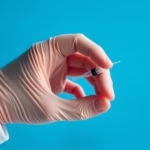
We will be talking about the IVF at home kit, which is a groundbreaking option for couples and individuals seeking assistance with infertility. In Vitro Fertilization (IVF) is a complex procedure that involves extracting eggs and fertilizing them outside the womb, before transferring them back to the uterus. Traditional IVF typically requires numerous visits to a fertility clinic, making the process taxing both emotionally and financially. The IVF at home kit aims to simplify this process by allowing patients to conduct certain steps of IVF from the comfort of their own home. This shift towards a more home-based treatment approach could be revolutionary in reducing the stress associated with fertility treatments. Patients receive all necessary supplies and guidance to conduct ovulation tracking, egg retrieval, and even monitoring embryo development in a user-friendly manner. This isn’t only about convenience but also enhances emotional wellbeing and reduces potential barriers to accessing fertility care.
What is an IVF at Home Kit?
The IVF at home kit is designed for individuals and couples interested in managing some components of the in vitro fertilization process in a home setting. The kit contains essential supplies such as ovulation prediction tests, syringes for hormone injections, and detailed instructional guides tailored for home use. This increases accessibility to those who may be unable to frequently visit clinics. The at-home option is not only convenient but can also provide a more comfortable environment for patients, leading to better emotional support and foster a feeling of control over their fertility journey.
Benefits of Using an IVF at Home Kit
The primary advantage of an IVF at home kit lies in its convenience. Traditional IVF requires multiple trips to a clinic for appointments. With the at-home kit, patients can manage crucial steps at their own pace. This helps alleviate stress from having to arrange multiple visits and take time off work or manage childcare. Additionally, managing the process at home allows for a more private experience. People can partake in their treatment in an environment where they feel supported, thereby enhancing their emotional well-being.
Control over the timing of hormone injections is another benefit. Individuals can follow their body’s signals more closely and adhere to their personal schedules. Additionally, it may aid in reducing the overall cost associated with IVF because fewer in-clinic appointments may result in lower medical bills.
Components of an IVF at Home Kit
Understanding the components of an IVF at home kit is essential for those considering this option. Typically, these kits contain:
- Ovulation Prediction Tests: These tests help track ovulation cycles with accuracy, allowing for timed egg retrieval.
- Hormone Injections: Specific hormones are included to stimulate the ovaries to produce multiple eggs.
- Syringes and Needles: Providing precision for administering hormone injections.
- Guides and Instructions: Detailed guides that instruct patients through each step of the process.
- Emergency Contact Information: Access to behind-the-scenes professionals who can assist with any questions or concerns.
Each of these components plays a vital role in the effectiveness of the IVF process when done at home. It is crucial that individuals understand how to use each part correctly to maximize their chances of success.
Understanding Egg Retrieval at Home
Egg retrieval is one of the critical processes in IVF. While traditional procedures often occur in a clinic under the supervision of medical professionals, some newer methods allow individuals to conduct parts of this step at home. The at-home kit may guide users through self-administration techniques for hormone injections that stimulate egg production. After the specified time, individuals may follow guided protocols to retrieve the eggs with minimal discomfort. Knowing the techniques and having the right equipment at home can lead to a smoother, more personalized experience in egg retrieval.
Proper education around the procedure is paramount. Most kits include step-by-step guidance which helps increase confidence among patients. The process typically involves monitoring hormone levels and collecting eggs, and a solid understanding of ovulation cycles plays an essential role in the success rate.
Success Rates of IVF at Home
Success rates for IVF at home can vary significantly depending on numerous factors such as age, overall health, and specific fertility issues faced by the individual or couple. It is crucial to consider that while the convenience of an IVF at home kit presents its own advantages, it cannot fully replace the expertise and facilities available in a clinical setting. Studies suggest that when properly managed, this method can lead to satisfactory outcomes, but consulting a fertility specialist is still recommended to ensure safety and efficacy throughout the process.
On average, statistics show that women under 35 years of age have higher success rates compared to older age groups. Furthermore, the specific reason for infertility can impact the likelihood of success. Prospective patients should do their research and remain in communication with their healthcare provider to track progress and understand likely outcomes based on personal health considerations.
Who Should Consider the IVF at Home Kit?
The IVF at home kit is particularly appealing for individuals or couples who are:
- Looking for flexibility in managing treatment schedules that fit better with personal lives.
- Seeking privacy in their fertility journey and feeling uncomfortable with frequent clinic visits.
- Desiring to minimize costs related to repeated clinic visits.
- Informed and ready to take responsibility for certain aspects of their fertility treatment.
While this option is not for everyone, it does cater to those who understand their health needs and feel ready to engage with their fertility management actively. It is advisable that potential users discuss their options with a fertility specialist to determine if this approach is suitable for their unique situation.
Financial Aspects of Home IVF Kits
Considering the financial implications is also essential in the decision-making process. Although an IVF at home kit may reduce costs associated with repeated clinic visits, the initial investment for the kit and its components can still be substantial. Couples should weigh both the benefits and potentials costs involved.
Health insurance coverage for IVF at home varies widely. Patients should research their current health insurance policies to understand what might be covered when utilizing an at-home option. For individuals with limited coverage, exploring financing options specifically for fertility treatments could provide some relief.
Final Thoughts
In conclusion, the IVF at home kit represents a new frontier in fertility treatment, allowing individuals and couples to manage critical components of the IVF process from the comfort of home. It provides an opportunity for greater control, reduced emotional stress, and potential cost savings. Nevertheless, the home-based option is not without its limitations, and it is vital for potential users to stay informed, maintain communication with healthcare providers, and understand that not all aspects of IVF can be managed from home. Offering both benefits and challenges, the IVF at home kit is a promising option for those exploring their reproductive choices.
Frequently Asked Questions
1. Is an IVF at home kit effective?
Yes, IVF at home kits can be effective, especially if individuals are well-informed and closely monitor their health.
2. Do I need a doctor’s approval to use an IVF at home kit?
It is strongly recommended to consult with a fertility specialist before starting any home IVF plan.
3. How much does an IVF at home kit typically cost?
The price of the kit varies widely but often ranges from a few hundred to several thousand dollars, depending on its components and support services.
4. What are the main risks associated with at-home IVF?
Risks include improper administration of medications and potential health complications that may arise without medical supervision.
5. Can anyone use an IVF at home kit?
While many can benefit, it is important to approach any fertility option with caution and under medical advice, particularly for those with more complex fertility issues.
Further Reading
What Type of Psychotherapy Is Best for Anxiety?