





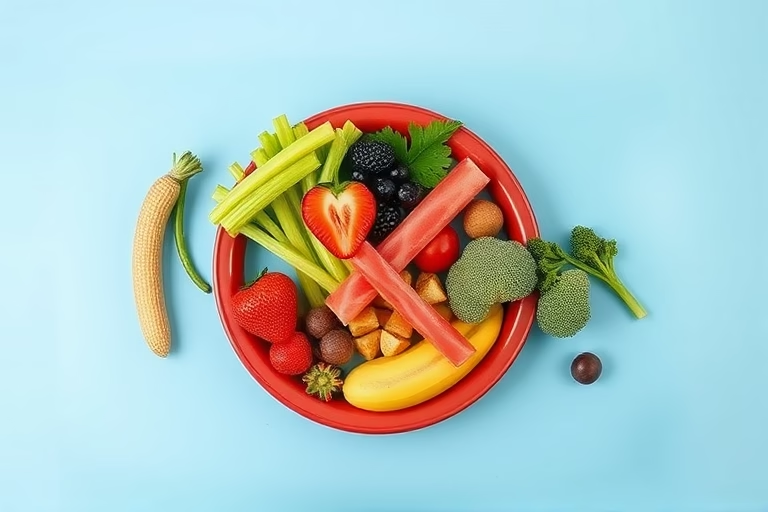
In this blog post, we will be talking about IVF foods to avoid. Understanding the best and worst foods to consume can significantly impact the success rates of IVF treatments. In vitro fertilization (IVF) is a complex process that requires a careful balance of various factors, including nutrition. Eating the right foods can optimize health and increase the likelihood of successful fertilization and implantation. Conversely, avoiding specific foods can help eliminate toxins and foster a more conducive environment for embryo development.
Food choices play a crucial role in reproductive health, especially during IVF. Various studies suggest that some foods may affect hormone levels, inflammation, and overall reproductive function. It’s essential to create a balanced and healthful dietary plan while steering clear of items that may hinder the IVF process. Here, we will explore various foods that individuals undergoing IVF should avoid to enhance their chances of success.
Processed Foods
Processed foods are often high in unhealthy fats, sugar, and preservatives, which can lead to weight gain and inflammation. Such foods may also contribute to hormonal imbalances, adversely affecting fertility. It is advisable to avoid items like fast food, sugary snacks, and microwaveable meals that are laden with chemicals and artificial ingredients.
When you consume processed foods, the body has to work harder to digest them, placing additional stress on the system. This can lead to an imbalance in energy levels, posing more challenges during your IVF journey. Instead, focus on whole foods that are nutrient-dense and support reproductive health.
Caffeine
Research indicates that excessive caffeine intake may negatively affect fertility and could potentially decrease the success rate of IVF treatments. Caffeine stimulates the nervous system and can lead to anxiety and sleep disturbances, making it important to monitor consumption levels.
It is advisable to limit caffeine intake to no more than 200 mg per day, which is equivalent to about one 12-ounce cup of coffee. Opting for herbal teas or decaffeinated beverages can help reduce caffeine levels while still allowing for enjoyable drink options. Keeping your caffeine consumption in check can contribute to a more favorable environment for embryo implantation.
High-Mercury Fish
Certain fish, especially larger species like shark, swordfish, and king mackerel, are known to have high levels of mercury. Mercury exposure has been linked to developmental issues and may pose risks to fertility.
To support reproductive health during IVF treatments, it is recommended to avoid high-mercury fish and instead choose safer options like salmon, sardines, and trout. These alternatives provide beneficial omega-3 fatty acids that can aid in improved egg quality and overall health.
Excessive Alcohol
Alcohol consumption can have a detrimental impact on fertility for both men and women. Studies show that excessive alcohol intake may disrupt hormone levels, decrease egg and sperm quality, and ultimately affect the success of IVF.
If you’re undergoing IVF, it is wise to abstain from alcohol altogether or limit consumption significantly. Should you choose to drink, moderation is key. Prioritizing health during this critical time is essential, and steering clear of alcohol can greatly enhance your chances of successful conception.
Sugar and Refined Carbohydrates
Sugar and refined carbohydrates can lead to weight gain and insulin resistance, which can negatively affect fertility. High-sugar diets also contribute to chronic inflammation, which can hinder IVF success rates.
To boost your chances during IVF, it is advisable to focus on whole grains and natural sweeteners, avoiding candies, pastries, and sugary beverages. These alternatives will help stabilize blood sugar levels and promote a healthier lifestyle, enhancing your overall fertility.
Trans Fats
Trans fats can be found in many fried foods and commercially baked goods. They are associated with an increased risk of infertility due to their adverse effects on hormone production and insulin sensitivity.
Instead of trans fats, opt for healthy fats like those found in avocados, nuts, and olive oil. These foods support overall health and can aid in hormone regulation, which is crucial during the IVF process. Educate yourself about food labels to avoid hidden trans fats in processed foods.
Artificial Sweeteners
Many individuals turn to artificial sweeteners as a way to reduce calorie intake. However, certain studies suggest that these sweeteners may have an adverse effect on fertility by impacting metabolism and hormone levels.
If you’re attempting to optimize your diet for IVF, consider natural sweeteners like honey, maple syrup, or stevia. Making these healthier choices can benefit your body and aid your fertility journey.
High-Sodium Foods
High sodium intake can lead to fluid retention and increased blood pressure, both of which may negatively impact reproductive health. During your IVF journey, high-sodium foods, such as canned soups, deli meats, and fast foods, should be minimized to maintain a balanced lifestyle.
Focusing on fresh, whole foods can help you naturally lower your sodium intake. Fresh fruits, vegetables, and herbs can be flavorful alternatives to salt-laden options, providing necessary nutrients without added health risks.
Meat with Hormones and Antibiotics
Many meat products on the market are treated with hormones and antibiotics to promote growth. These substances can disrupt the body’s natural hormone balance and negatively impact fertility outcomes.
To avoid these risks, choose organic and hormone-free meats whenever possible. These options typically have fewer additives and can contribute to a healthier body and more promising IVF results.
Final Thoughts
Understanding what foods to avoid during the IVF process is crucial for both physical health and emotional well-being. By steering clear of processed foods, caffeine, high-mercury fish, excessive alcohol, sugar, refined carbohydrates, trans fats, artificial sweeteners, high-sodium foods, and meats treated with hormones and antibiotics, you can create a supportive environment for successful conception and implantation.
A well-rounded diet rich in whole foods, healthy fats, lean protein, and a variety of fruits and vegetables can significantly enhance reproductive health. These dietary changes can positively impact not only IVF outcomes but also overall wellness, preparing your body for this critical journey.
As you embark on this process, consider seeking guidance from a nutritionist specializing in fertility. Not only will they help you create a tailored dietary plan, but they can also provide ongoing support and resources.
Here are five frequently asked questions regarding IVF foods to avoid:
1. What are the best foods to eat during IVF?
The best foods include fresh fruits and vegetables, whole grains, lean proteins, and healthy fats such as avocados and nuts.
2. Can alcohol affect IVF success rates?
Yes, excessive alcohol intake can adversely affect hormone levels and decrease the chances of successful IVF, so it is best avoided.
3. Is caffeine allowed during IVF treatment?
It is advisable to limit caffeine intake to no more than 200 mg per day, which is roughly equivalent to one cup of coffee.
4. How can processed foods impact fertility?
High levels of unhealthy fats, sugars, and chemicals in processed foods can lead to inflammation and hormonal imbalances that negatively affect fertility.
5. What types of fish should I avoid during IVF?
Avoid high-mercury fish like shark, swordfish, and king mackerel as they can pose risks to fertility and reproductive health.
Further Reading
What Type of Psychotherapy Is Best for Anxiety?