





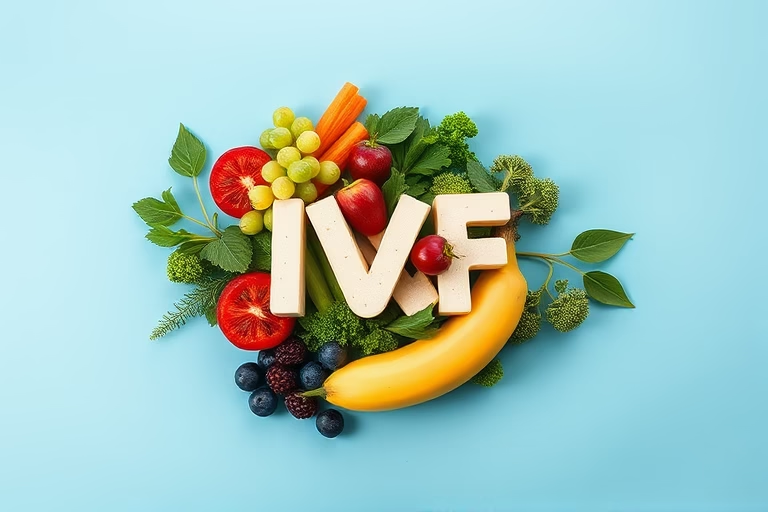
We will be talking about IVF nutrition. In-vitro fertilization (IVF) is a complex medical procedure used to help individuals conceive. Nutrition plays a vital role in this process, as it can significantly impact both male and female fertility, the health of the embryos, and the outcomes of the IVF cycle. Proper dietary choices before and during IVF can optimize hormonal balance, improve egg and sperm health, and enhance implantation success rates. Nutrients such as folic acid, omega-3 fatty acids, antioxidants, and proteins can contribute to reproductive health. By focusing on a balanced diet that includes whole foods, healthy fats, lean proteins, and plenty of fruits and vegetables, couples undergoing IVF can create an optimal environment for conception and a healthy pregnancy.
Understanding IVF Nutrition
IVF nutrition encompasses the dietary strategies and nutritional intake recommended for individuals undergoing in-vitro fertilization. Nutrition during this time is tailored to support the body in optimizing reproductive capabilities. Studies suggest that a well-balanced diet rich in essential nutrients may increase success rates associated with IVF treatments. Nutrition affects hormone production, egg and sperm quality, and overall health, which are crucial for successful embryo implantation.
Couples should prioritize whole foods and nutritional diversity in their diets. Consuming foods rich in vitamins and minerals, such as fruits, vegetables, nuts, grains, and lean proteins, can positively influence reproductive health. Avoiding processed foods high in sugar and unhealthy fats can also be beneficial. Overall, maintaining a healthy body weight and addressing any nutritional deficiencies may improve IVF outcomes. Consulting a dietitian experienced in fertility nutrition can provide personalized guidance and maintain an optimal diet throughout the IVF journey.
Essential Nutrients for Fertility
Several essential nutrients can play a critical role in enhancing fertility and supporting a healthy pregnancy throughout the IVF process. Understanding these nutrients can empower individuals and couples to make informed dietary choices. Key nutrients include:
Folic acid is vital for DNA synthesis and is crucial for fetal development, reducing the risk of neural tube defects. Omega-3 fatty acids support hormone production and improve blood flow to reproductive organs. Vitamin D and zinc are connected to hormonal balance and reproductive function, while antioxidants combat oxidative stress that can harm eggs and sperm.
To ensure an adequate intake of these essential nutrients, individuals should incorporate a variety of food sources into their meals. For example, leafy greens, avocados, fish, nuts, seeds, and fortified foods can contribute to overall nutritional balance.
The Role of Antioxidants in IVF
Antioxidants are compounds that protect cells from oxidative damage caused by free radicals. In the context of IVF, antioxidants can help improve reproductive outcomes by potentially enhancing egg and sperm quality. Oxidative stress has been linked to infertility, making the intake of antioxidants crucial for couples undergoing IVF treatments.
Foods rich in antioxidants include:
Incorporating a variety of these foods into daily meals may help reduce oxidative stress and support embryo health during the IVF process. It’s also essential to avoid processed foods high in sugar, which can increase inflammation and oxidative stress, potentially harming fertility.
Importance of Healthy Fats
Healthy fats play a pivotal role in hormone production, making them crucial for individuals preparing for IVF. Consuming the right types of fats can positively affect cholesterol levels, enhance fertility, and even improve IVF success rates. Healthy fats can be categorized into monounsaturated and polyunsaturated fats.
Sources of healthy fats include:
Including these foods in the daily diet can help balance hormones and prepare the body for conception. It’s advisable to limit the intake of trans and saturated fats, often found in fried and processed foods, as they can negatively impact fertility.
Hydration and IVF
Staying well-hydrated is essential for overall health, especially for individuals undergoing IVF treatments. Proper hydration supports many bodily functions, including digestion, circulation, and hormone regulation. Dehydration can negatively impact reproductive health by affecting the consistency of cervical mucus, which influences sperm transport and egg fertilization.
To maintain optimal hydration, individuals should aim to drink adequate amounts of water throughout the day. The general recommendation is to consume at least eight 8-ounce glasses of water daily, adjusting based on individual activity levels and medical advice. Herbal teas and water-rich fruits and vegetables can also contribute to daily hydration needs.
Maintaining a Balanced Body Weight
Body weight has a significant impact on fertility. Both underweight and overweight individuals may experience challenges in conceiving, making it crucial to maintain a balanced body weight. Excess body fat can disrupt hormone levels and menstrual cycles, while insufficient body fat can hinder ovulation and reduce fertility.
It’s important to focus on gradual and sustainable weight management strategies, which can include:
For women undergoing IVF, a body mass index (BMI) in the healthy range can improve the chances of a successful outcome. Couples should approach weight management holistically, incorporating both diet and exercise.
Developing a Meal Plan for IVF
Creating a personalized meal plan is a proactive step individuals can take to optimize their nutrition during the IVF process. A well-structured meal plan can help individuals ensure they are receiving all the necessary nutrients to support fertility and enhance the success rates of IVF.
Key components of an effective IVF meal plan include:
Including a variety of food options can make the diet enjoyable and sustainable. Individuals should also consider meal prepping to ensure they stay on track with their nutrition goals during the IVF process.
Stress Management and Nutrition
Stress can significantly impact fertility and IVF success rates. Therefore, managing stress levels is essential during this challenging time. The relationship between nutrition and stress is interconnected; a nutritious diet can help maintain energy levels and emotional well-being.
Practicing stress management techniques alongside a healthy diet can involve:
As stress levels decrease, individuals may experience improvements in both mental and physical health. A holistic approach that combines nutrition and stress management techniques can create a positive environment during the IVF journey.
Final Thoughts
In conclusion, making informed nutritional choices is essential for individuals pursuing in-vitro fertilization. IVF nutrition encompasses a variety of strategies aimed at enhancing reproductive health and improving the chances of a successful pregnancy. By prioritizing essential nutrients, antioxidants, healthy fats, and holistic health practices, individuals can create an optimal environment for conception. Maintaining a healthy weight, staying hydrated, incorporating a diverse range of foods, and managing stress can altogether contribute to improved IVF outcomes.
Navigating the world of nutrition during IVF can be overwhelming, but with careful planning and consideration, couples can support their journey effectively. Always consult healthcare professionals for tailored advice based on individual circumstances. Through these efforts, both physical and emotional well-being can be enhanced during what can be a challenging but hopeful time.
Frequently Asked Questions
1. What foods should I avoid during IVF?
Avoid processed foods, trans fats, high sugar items, and excessive caffeine. These can negatively impact fertility and overall health.
2. How soon should I start focusing on nutrition before IVF?
Start as early as possible, ideally a few months before beginning the IVF process. This allows time for your body to adapt and optimize fertility.
3. Can supplements help improve IVF success?
Some supplements, like folic acid and prenatal vitamins, can support reproductive health, but consult with a healthcare provider before starting any supplements.
4. Is it important to maintain a healthy weight for IVF?
Yes, maintaining a balanced body weight can improve fertility and increase the chances of a successful IVF outcome.
5. How can I manage stress during the IVF process?
Incorporate relaxation techniques such as mindfulness, yoga, meditation, and exercise to manage stress effectively during this stressful time.
Further Reading
What Type of Psychotherapy Is Best for Anxiety?