





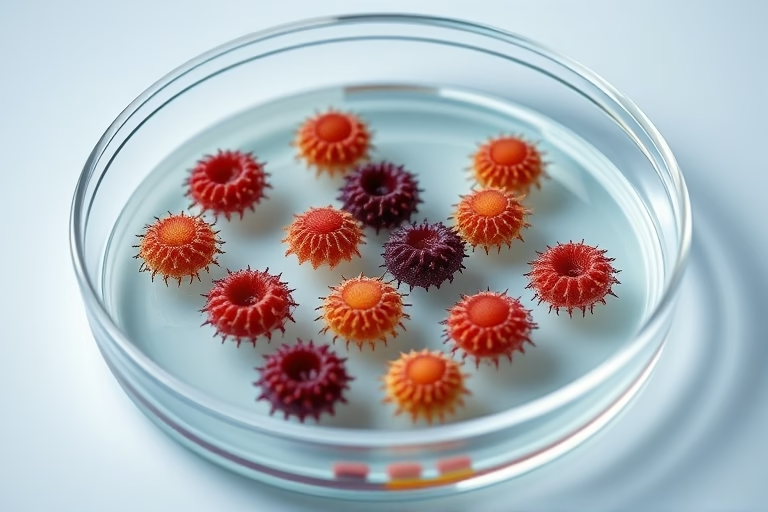
We will be talking about the IVF Petri dish, an essential tool in the field of reproductive medicine. In vitro fertilization, commonly referred to as IVF, involves the process of fertilizing an egg with sperm outside the human body. The IVF Petri dish serves as the environment for this fertilization to occur. These specialized dishes provide a controlled environment that mimics the natural conditions found in a woman’s body, allowing for optimal growth and development of embryos before they are transferred back into the uterus. The use of IVF Petri dish technology has revolutionized the approach to infertility treatments, enabling countless couples to experience the joy of parenthood.
Understanding the IVF Petri dish is not just important for fertility specialists but also for couples considering their options. Each stage of embryo development—starting from the fertilization phase through to cell division—takes place in these chambers, which are designed to protect the embryos from contaminants while providing necessary nutrients. The success of IVF treatments largely depends on the quality of the Petri dishes used, as well as the expertise of the laboratory personnel handling them.
What is an IVF Petri Dish?
An IVF Petri dish is a shallow, flat, and round dish made of glass or plastic used to culture embryos during the IVF process. These dishes create an ideal environment where eggs and sperm can meet and fertilize. Once fertilization occurs, the developing embryos are maintained in the dish to allow for continued growth before being transferred to a woman’s uterus. The design and material of the Petri dish minimize contamination and provide the necessary conditions—such as temperature, pH, and nutrient supply—for embryo development.
The size of these dishes is usually standardized; however, variations exist depending on specific laboratory needs and protocols. Laboratory technicians often monitor and adjust the conditions within these dishes to facilitate optimal embryonic growth.
Importance of the IVF Petri Dish in Fertility Treatments
The IVF Petri dish is crucial because it creates a sterile and controlled environment necessary for the fertilization of eggs. Without this specialized tool, the IVF process may face significant challenges, impacting overall success rates. The Petri dish enables professionals to:
In summary, the IVF Petri dish is a cornerstone of modern fertility treatments, directly influencing the likelihood of successful conception. The quality and design of the dish can affect the health and viability of embryos, hence it is essential to utilize high-standard laboratory equipment and practices.
Types of IVF Petri Dishes
IVF Petri dishes come in various types, each serving a particular purpose in the embryo development process. The most commonly used types include:
The choice of a Petri dish can significantly influence laboratory workflows and the handling of embryos. It is vital for clinics to select the appropriate type of dish that matches their treatment protocols and enhances the chances of successful embryo transfer.
Handling and Maintenance of IVF Petri Dishes
The storage, handling, and maintenance of IVF Petri dishes are integral to the success of the IVF process. Proper practices include:
Laboratory personnel must be well-trained to handle these dishes correctly. Any mistakes or lapses in protocol can have dire consequences on the viability of the embryos, potentially leading to unsuccessful IVF attempts. Hence, consistency and care in handling these dishes are essential for achieving the best possible outcomes.
Advanced Technologies in IVF Petri Dishes
With continuous advancements, technology is evolving how IVF Petri dishes are used. Innovations may include:
These advancements have transformed the way embryologists approach IVF, enhancing success rates, reducing risks, and improving the overall experience for couples seeking fertility treatments. Utilizing such intelligent designs and technologies can lead to more precise control over embryo development and better outcomes in IVF procedures.
The Role of Embryologists in Utilizing IVF Petri Dishes
Embryologists play a critical role in the IVF process, specifically regarding the use of IVF Petri dishes. Their responsibilities encompass:
Expertise in handling IVF Petri dishes is paramount, as embryologists must utilize skilled techniques to manipulate embryos and assess growth accurately. The knowledge and experience they bring to the process can directly impact the success rates of IVF treatments.
Risks and Challenges Involving IVF Petri Dishes
While IVF Petri dishes are essential for successful embryo culture, challenges and risks remain, including:
Addressing these risks requires due diligence and a commitment to maintaining the highest standards in laboratory practices. It is essential for fertility clinics to ensure that staff are well-trained and that protocols are strictly followed to minimize risks.
Future Prospects for IVF Petri Dish Technology
The future of IVF Petri dish technology appears bright, with continual improvements on the horizon. Anticipated developments include:
As these innovations unfold, they promise to enhance the efficacy of IVF treatments, providing hope for couples struggling with infertility. Future developments will likely reduce time in clinics, improve the chances of successful pregnancies, and offer new solutions for diverse fertility challenges.
Final Thoughts
In conclusion, the IVF Petri dish is a critical component in the realm of reproductive medicine. The success of in vitro fertilization hinges on the effective use and management of these dishes, as they provide the environment necessary for fertilization and initial embryo development. From understanding their significance, types, storage, and handling to embracing advances in technology, it is evident that a well-managed IVF Petri dish plays a pivotal role in the fertility journey.
As technologies evolve, the future of IVF appears promising. By investing in the best practices and maintaining high standards, fertility clinics can enhance outcomes, significantly contributing to parenthood dreams. Couples considering IVF treatments are encouraged to gather information and ask questions to better understand the processes involved, specifically regarding the use of IVF Petri dishes.
Frequently Asked Questions
- What is the purpose of an IVF Petri dish?
- How do different types of IVF Petri dishes affect embryo culture?
- What precautions should be taken when handling IVF Petri dishes?
- How can technology improve IVF Petri dish usage?
- What role do embryologists play in the use of IVF Petri dishes?
IVF Petri dishes are used to create a sterile environment for fertilizing eggs and growing embryos during the IVF process.
Different types of dishes allow for various capacities for fertilization and embryo growth, influencing success rates in IVF treatments.
Aseptic techniques should be followed to prevent contamination, including proper cleaning and sterilization methods.
Advanced technologies can lead to better monitoring of embryos, automate certain processes, and enhance environmental conditions, improving overall outcomes.
Embryologists manage and monitor embryo development within these dishes, making vital decisions that impact the success of IVF treatments.
Further Reading
What Type of Psychotherapy Is Best for Anxiety?