
Key Takeaways
- Nausea after eating often stems from overeating, rapid consumption, or specific food triggers like high-fat meals.
- Stress and anxiety significantly impact digestive health and can lead to post-meal queasiness.
- Mindful eating, such as slowing down and choosing smaller portions, can help prevent digestive discomfort.
- Persistent or severe nausea, especially with pain or vomiting, requires evaluation by a healthcare professional.
Why Do I Feel Nauseous After Eating?
If you’ve ever wondered, “Why do I feel nauseous after eating?” you’re not alone. Many people experience this uncomfortable feeling after meals, and it can happen for a variety of reasons. Some folks may find this happens occasionally, while for others, it can become a regular concern. Understanding why it happens may help you feel more at ease and guide you toward better eating habits.
Nausea is that uneasy sensation in your stomach that can make you feel like you might throw up. It can be triggered by numerous factors, from what you eat to how you eat it. You might be looking for answers because you want to know if it’s something temporary or if it’s a sign of a more significant issue. Let’s dive into some of the potential reasons behind that queasy feeling after a meal.
What Does This Mean?
Nausea is a common symptom and can arise from a variety of causes, often connected to our digestive system. Symptoms of nausea can be subjective, meaning different people may experience it differently. Some might feel light-headed or have an overwhelming need to vomit, while others might just feel a little uneasy. Understanding the root cause can help you manage or alleviate these feelings.
Some related terms to know include “gastritis,” which is an inflammation of the stomach lining, and “gastric reflux,” where stomach acids flow back into the esophagus causing discomfort. These conditions often correlate with nausea, especially after eating. Let’s explore the reasons behind this uncomfortable feeling, often referred to as postprandial nausea.
Why Does This Happen?
There isn’t one single answer to why you might feel nauseous after eating, as multiple factors can contribute. Here’s a look at some common triggers:
One possible reason is eating too much too quickly. When we eat a large meal or shovel down food, our stomachs can feel overwhelmed. This can trigger discomfort and nausea as the body struggles to digest it all.
Another common factor is the types of food consumed. Foods that are spicy, greasy, or overly rich can irritate the stomach lining or take longer to digest, leading to nausea.
In some people, food intolerances or allergies may be at play. If your body struggles to digest certain foods, like dairy or gluten, it can lead to feelings of nausea after meals.
Research suggests that psychological factors like stress and anxiety can also contribute. When you’re anxious, it can affect your digestive system, sometimes causing nausea especially after a meal.
Common Causes
Understanding the specifics of what causes your nausea can help you manage it better. Here are some of the most common causes associated with feeling nauseous after eating:
Overeating
When we indulge or eat too rapidly, our stomachs can become overly full.
This excessive fullness can stretch the stomach lining and lead to nausea. One way to mitigate this is by practicing mindful eating, take your time, savor your food, and listen to when your body tells you it’s full.
Food Choices
Foods high in fat, sugar, or spice can upset your stomach.
Common culprits include fried foods, rich desserts, or overly spicy dishes. If you notice nausea after consuming certain foods, try keeping a food journal to track any patterns and adjust your diet accordingly.
Acid Reflux
Gastroesophageal reflux disease (GERD) can cause stomach acid to back up into the esophagus, leading to nausea.
If you experience heartburn or a sour taste in your mouth, consider speaking with a healthcare professional about managing reflux before meals.
Food Intolerances
Your body might not be able to handle certain foods well, leading to nausea.
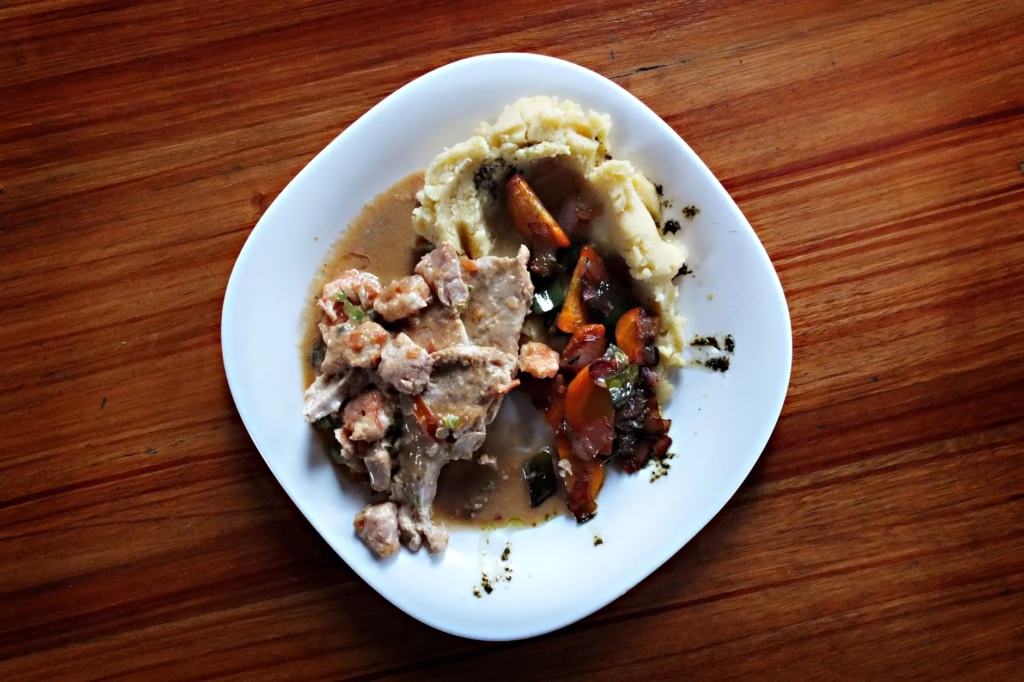
Common intolerances include lactose (found in dairy) or gluten (found in wheat). If you suspect this might be the case, it may be helpful to consult a doctor or dietitian.
Anxiety and Stress
Your mental state can heavily influence your digestive health.
Stress and anxiety can slow down digestion, making you feel nauseous, especially after meals. Techniques like deep breathing exercises or talking to someone about your feelings could help ease stress-related nausea.
Signs and Symptoms to Watch For
Nausea can accompany other symptoms, and it’s essential to differentiate between occasional discomfort and signs that might require medical attention. Common symptoms associated with nausea include:
- Lightheadedness
- Dizziness
- Stomach cramps
- Vomiting
If nausea occurs occasionally after a meal, it may not be a significant concern. However, watch for persistent or worsening symptoms like severe pain, blood in your vomit or stool, unexplained weight loss, or continuous vomiting. These could indicate a more severe condition and warrant a visit to a healthcare professional.
What Can Make It Worse?
Several factors can contribute to or exacerbate feelings of nausea after eating:
Diet
Specific diets high in refined sugars or unhealthy fats can disrupt digestion.
Eating Habits
Rapidly eating often leads to swallowing air, which can cause bloating and discomfort.
Alcohol and Smoking
Both can irritate the stomach lining, triggering nausea.
Lack of Sleep
Insufficient sleep can impair your metabolism and digestion, making nausea more likely after meals.
Dehydration
Not drinking enough water can affect your digestion, leading to constipation and nausea.
Foods and Drinks Related to Nausea After Eating
Some foods might worsen nausea, while others could help ease the feeling. Consider the following:
Foods that May Worsen Symptoms
- Greasy or fried foods
- Spicy dishes
- Dairy products (for those who are lactose intolerant)
Foods that May Help
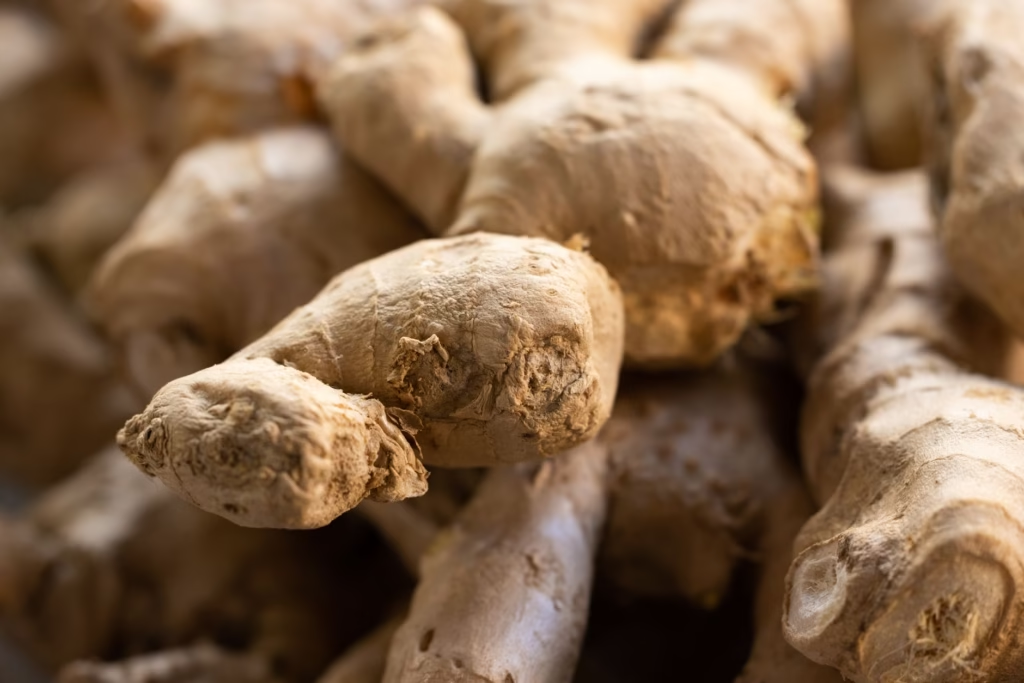
- Ginger: Often used to settle the stomach.
- Bananas: Gentle on the stomach and provide energy.
- Plain toast or crackers: Easy to digest and can absorb excess stomach acid.
Everyone’s body reacts differently, so it’s crucial to pay attention to your own experiences and adjust your diet according to what feels best for you.
What Can We Do?
There are several practical approaches to help manage feelings of nausea after eating:
- Eat smaller, more frequent meals: This can prevent overloading your stomach and make digestion easier.
- Stay hydrated: Drinking water throughout the day can aid digestion.
- Practice mindful eating: Slow down while eating, savoring each bite to avoid overeating.
- Limit problem foods: Keep track of what you eat and notice patterns related to your nausea.
When Should You See a Doctor?
If your nausea after eating becomes severe, persistent, or is accompanied by other alarming symptoms, it may be time to check in with a healthcare professional. Be aware of the following warning signs:
- Severe or persistent pain
- Vomiting blood
- Signs of dehydration (e.g., severe thirst, dark urine)
- Persistent weight loss
Discussing your symptoms with a doctor can help ensure you receive the appropriate care and diagnosis.
Frequently Asked Questions
Why am I always feeling nauseous after eating?
Experiencing frequent nausea could be due to various reasons, including overeating, food intolerances, or underlying medical conditions. Keeping a food diary and seeking medical advice may help identify patterns.
Can food cause nausea after eating?
Yes, certain foods, especially those high in fat or sugars, can cause nausea in some individuals. If you notice this regularly after specific foods, it may be worth adjusting your diet.
When should I worry about feeling nauseous after eating?
If nausea is persistent, severe, or accompanied by concerning symptoms like vomiting blood or unexplained weight loss, you should seek medical advice.
Does stress lead to nausea after eating?
Absolutely! Stress can impact the digestive system, so feelings of anxiety may indeed trigger nausea during or after meals.
How can I relieve nausea after eating?
Staying hydrated, eating smaller meals, and incorporating ginger into your diet can help alleviate nausea. Additionally, practicing mindfulness can be beneficial.
Are there medications to help with nausea?
Over-the-counter options are available, but it’s essential to discuss any medication use with a healthcare professional to ensure it’s appropriate for your specific situation.
Can dehydration cause nausea after eating?
Yes, not drinking enough water can lead to digestive issues, including nausea. Staying hydrated is crucial for maintaining proper digestive health.
Can my posture affect nausea after meals?
Poor posture while eating may lead to discomfort and exacerbate nausea. Sitting up straight can facilitate better digestion.
What the Research Says About Why Do I Feel Nauseous After Eating?
Research shows that nausea can stem from various causes, with dietary habits being a significant factor. Studies highlighted by the NIH and other reputable organizations emphasize that gut health and emotional well-being are closely linked. Maintaining a balanced diet, managing stress, and understanding food sensitivities can therefore be essential for mitigating nausea after meals. While evidence continues to evolve, the importance of individualized dietary recommendations is increasingly recognized within the medical community.
Simple Daily Habits That May Support Better Health
Some small and consistent habits can support improved well-being and possibly alleviate nausea:
- Integrate regular physical activity into your routine, as even modest exercise can enhance digestive health.
- Prioritize sleep and rest, as proper rest is essential for overall health.
- Establish a regular meal schedule to help regulate digestion and minimize feeling overwhelmed during meals.
Final Thoughts
Feeling nauseous after eating can be frustrating and uncomfortable, but understanding the reasons behind it can empower you to make changes that may help. We often overlook how our eating habits, stress levels, and food choices can affect our digestion. If we practice mindful eating and pay attention to what our bodies are telling us, we can improve our overall health.
It’s important for us to listen to our bodies and recognize when something may not be right. If nausea becomes persistent or is concerning, it is best to speak with a qualified healthcare professional for tailored advice. Together, we can work toward a healthier relationship with food and improve our well-being.
Sources and References
National Institutes of Health: National Institute of Diabetes and Digestive and Kidney Diseases. Digestive Diseases Statistics. 2021. https://www.niddk.nih.gov
Mayo Clinic: Nausea and Vomiting. 2023. https://www.mayoclinic.org
Cleveland Clinic: Gastroesophageal Reflux Disease (GERD). 2023. https://my.clevelandclinic.org
American Gastroenterological Association: Gastrointestinal Disorders. 2023. https://www.gastro.org
Centers for Disease Control and Prevention: Food Safety and Digestion. 2023. https://www.cdc.gov

Medical Disclaimer
This article is for general educational and informational purposes only. It is not intended to provide medical advice, diagnosis, or treatment. Health conditions can affect people differently, and information that is appropriate for one person may not be appropriate for another. If you have persistent, severe, or concerning symptoms, speak with a qualified healthcare professional for personalized advice.
Further Reading
Ivf Shot Schedule: 10 Things You Should Know
Omeprazole and Alcohol: Is It Safe to Mix?
what does a growth spurt in pregnancy feel like
Photo by Alena Darmel on Pexels.
Frequently Asked Questions
Can certain medications cause nausea after meals?
Yes, many medications can irritate the stomach lining or slow digestion. If you recently started a new prescription or over-the-counter supplement, discuss potential side effects with your pharmacist or doctor.
Does drinking water with meals make nausea worse?
For some, drinking large amounts of liquid during a meal can make the stomach feel overly full and trigger nausea. Try sipping water between meals instead of drinking heavily while eating to see if it helps.
Could pregnancy be the reason I feel sick after eating?
Nausea is a common symptom in early pregnancy, often triggered by smells or specific foods. If you suspect you might be pregnant, it is advisable to take a test and consult your healthcare provider.
Is it normal to feel nauseous after exercising right after a meal?
Exercising immediately after eating redirects blood flow away from the digestive system to your muscles. This can interrupt digestion and lead to nausea, so try to wait at least one hour after eating before vigorous activity.
The Bottom Line
Feeling nauseous after a meal is a common experience that is often linked to lifestyle habits or dietary choices. By practicing mindful eating and paying attention to your body, you can often find relief and improve your digestive comfort. If these feelings persist, do not hesitate to reach out to a medical professional to rule out underlying conditions.