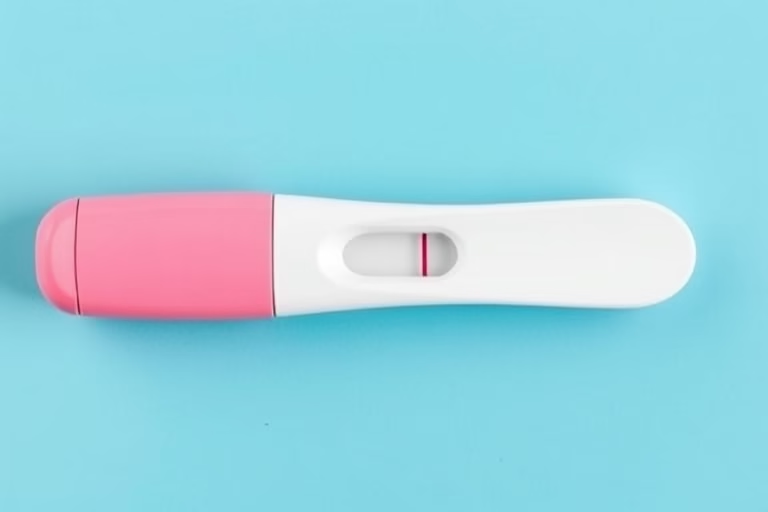
Understanding Implantation Bleeding
Implantation bleeding is a light spotting that can occur when a fertilized egg attaches itself to the uterine lining. This typically happens about 6 to 12 days after conception. Many individuals may mistake this light spotting for their regular menstrual period, but it is often much lighter and shorter in duration than a typical period. Implantation bleeding can be a sign of pregnancy, and recognizing it is crucial for understanding the body’s signals.
During this time, hormonal changes begin, setting the stage for early pregnancy symptoms. Many people might wonder about taking a pregnancy test after experiencing implantation bleeding. It is essential to understand when to test effectively to get accurate results.
When Does Implantation Bleeding Occur?
Implantation bleeding usually occurs around the time the fertilized egg implants itself in the lining of the uterus. This timing can vary from person to person but generally occurs 6 to 12 days post-ovulation. For those tracking their cycles, this can be an important indicator of early pregnancy. Observing your cycle and taking note of any unusual spotting can help differentiate between typical menstrual bleeding and potential implantation bleeding.
It can be challenging to determine the exact timing of implantation bleeding since individual cycles differ. If you are actively trying to conceive, understanding when implantation bleeding occurs is crucial for monitoring changes.
Understanding Pregnancy Tests
A pregnancy test detects the hormone human chorionic gonadotropin (hCG) in the body, which increases after implantation. The timing of a pregnancy test is important because testing too early can yield false-negative results.
After implantation occurs, it takes time for hCG levels to rise sufficiently for a test to detect them. This is usually around 14 days post-ovulation or after a missed period. Understanding this timeline is essential for getting accurate results from a pregnancy test.
Signs of Implantation Bleeding vs. Menstrual Bleeding
It can be easy to confuse implantation bleeding with a light period, but there are distinct differences. Here’s how you can differentiate between the two:
Being able to recognize these differences can help you determine whether you might be experiencing implantation bleeding.
Timing for Taking a Pregnancy Test
After experiencing implantation bleeding, the timing for a pregnancy test becomes crucial. Most tests recommend waiting until the first day of your missed period for the most accurate results. This waiting period allows hCG levels to rise high enough to be detected by home pregnancy tests.
If you take a test too soon—especially right after noticing implantation bleeding—the results might be negative, causing unnecessary anxiety. Waiting at least 14 days post-ovulation can help ensure that you get an accurate reading. Follow test instructions closely for the best outcomes.
Understanding False Negatives
False negatives can occur for several reasons, particularly when a pregnancy test is taken too early. Factors contributing to false negatives include:
To avoid false negatives, follow the above guidelines on timing and testing methods closely. Should you suspect you are pregnant but receive a negative result, it may be wise to retest a few days later.
Best Practices for Taking a Pregnancy Test
When it comes to taking a pregnancy test, certain best practices can enhance accuracy:
Adhering to these practices can help reduce confusion and ensure clarity regarding your pregnancy status.
Importance of Early Pregnancy Care
Once pregnancy is confirmed, early care can significantly impact both the parent and baby’s health. This includes:
Being proactive about pregnancy care is vital for a healthy journey.
Understanding Early Pregnancy Symptoms
After implantation bleeding, many individuals may start noticing early pregnancy symptoms. Common signs include:
Being aware of these early signs can help you confirm your pregnancy and understand the changes occurring in your body.
Final Thoughts
In summary, understanding the connection between implantation bleeding and pregnancy testing is essential for anyone trying to conceive. Recognizing the symptoms, knowing when to test, and being aware of the potential for false negatives can make a significant difference in navigating early pregnancy. If implantation bleeding occurs, it can serve as an early sign of pregnancy, triggering the consideration of taking a pregnancy test. For the most accurate results, it is advisable to wait until 14 days post-ovulation or until the first missed period before testing.
After confirming pregnancy, seeking early prenatal care becomes vital. Monitoring health conditions, adhering to a healthy lifestyle, and knowing the potential symptoms of early pregnancy is necessary for a positive experience. Always consult a healthcare professional for personal advice tailored to your situation, especially if you have questions or concerns about symptoms.
By understanding each stage, individuals can empower themselves with knowledge about their bodies and make informed decisions during this critical time.
Frequently Asked Questions
Implantation bleeding is typically lighter, shorter, and occurs before a missed period, whereas a regular period has a more substantial flow and lasts longer.
It is recommended to wait at least 14 days post-ovulation or until the first missed period for the most accurate results.
While stress does not affect the accuracy of a pregnancy test, it can impact menstruation and bodily functions, leading to confusion regarding results.
Retest in a few days. If menstruation does not occur, consulting a healthcare provider is advisable for further evaluation.
Yes, some individuals may begin to notice early pregnancy symptoms before a missed period due to hormonal changes.
Further Reading
What Type of Psychotherapy Is Best for Anxiety?