





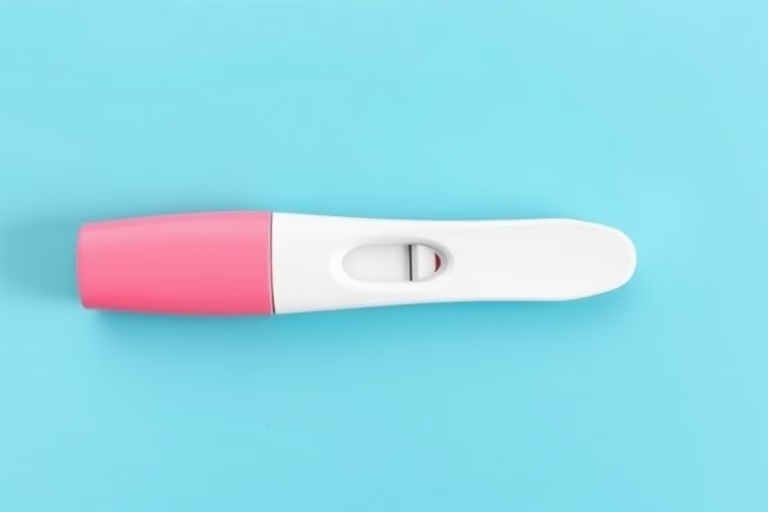
Understanding Implantation Bleeding
Many women may wonder, should I take a pregnancy test after implantation bleeding? Implantation bleeding occurs when a fertilized egg attaches itself to the lining of the uterus. This event can happen approximately 6 to 12 days after conception and is often one of the first early signs of pregnancy. The bleeding can appear as light spotting and is typically much lighter than a regular menstrual period, often lasting only a few hours to a couple of days.
Often, women may experience confusion when they notice this bleeding. They may question whether it is a normal menstrual cycle or a sign of pregnancy. This uncertainty leads many to ponder the appropriate timing for taking a pregnancy test. Understanding how and when to test can help clarify any doubts and provide more accurate results.
What is Implantation Bleeding?
Implantation bleeding is a light spotting that can occur when a fertilized egg embeds itself into the uterine lining. Unlike a regular period, which is usually heavier, implantation bleeding is typically brown or light pink and occurs at different times for each woman. Its occurrence often raises questions about its implications concerning pregnancy.
Many women may not recognize this bleeding as a normal occurrence, as it differs from typical menstrual flow. Usually, it happens around a week before a woman’s expected period, making its timing critical in considering a pregnancy test. Understanding this distinction is essential, as recognizing implantation bleeding can lead to more accurate and timely testing.
It is important to note that not all women experience implantation bleeding; some may never notice it. Those who do may see this as their first sign of pregnancy.
Women often wonder how long they should wait after experiencing implantation bleeding to take a pregnancy test. This is crucial since timing can affect the test’s accuracy. The general recommendation is to wait a few days after the bleeding ends to allow the pregnancy hormone, hCG, to build up in the body.
When to Take a Pregnancy Test
After experiencing implantation bleeding, women may feel anxious and eager to take a pregnancy test. The general guideline is to wait at least a few days after the bleeding ends before testing. This ensures that the level of hCG, which is produced after implantation, is sufficient for an accurate test result.
Testing too soon can lead to false negatives, as there might not be enough hormone in the urine to detect a pregnancy. Most home pregnancy tests are designed to provide reliable results around the time of a missed period. It is advisable to follow specific instructions provided with the pregnancy test for optimal accuracy.
While some sensitive tests can detect pregnancy earlier, it is often best to adhere to the recommended timeline to avoid confusion and frustration. Taking the test too early can lead to unnecessary worry, while waiting a few days can provide peace of mind.
Overall, being mindful of timing can ensure that women receive accurate results and can plan their next steps accordingly.
What Happens if You Test Too Early?
Testing too early after implantation bleeding can result in inaccurate results. A false negative may cause unnecessary distress, leading women to believe they are not pregnant when they actually are. This occurs because the body may not have produced enough hCG for the pregnancy test to detect.
For many, the anticipation of confirming a pregnancy can be overwhelming, making it challenging to resist the urge to test prematurely. When a test is taken too early, women should be prepared for potential disappointment. If a negative result occurs but other symptoms of pregnancy continue, repeating the test in a few days can clarify the situation.
Women experiencing signs of pregnancy and wondering if they should take a test before the recommended waiting period should consider all factors, including cycle timing and personal symptoms. Ensuring adequate time has passed can prevent further emotional roller coasters associated with incorrect results.
Common Symptoms After Implantation Bleeding
After implantation bleeding, some women may experience other early pregnancy symptoms. Common signs include:
These symptoms can vary from woman to woman and may not be apparent to others. While these signs are often associated with pregnancy, they can also indicate hormonal changes, stress, or other health issues.
Women should monitor these symptoms closely. If they seem consistent and are coupled with a positive pregnancy test, it may confirm the suspicion of pregnancy.
It is essential to discuss any unusual or concerning symptoms with a healthcare provider. They can provide guidance, assurance, and further testing if necessary.
Pregnancy Test Types and Accuracy
There are various pregnancy tests available, with home tests being the most common. These tests primarily fall into two categories: urine tests and blood tests.
Home urine tests are widely accessible and can be taken in the privacy of one’s home. They vary in sensitivity, with some tests designed to detect pregnancy hormones earlier than others. Most home tests provide reliable results when used correctly; however, the timing of the test can significantly influence accuracy.
Blood tests performed at a healthcare facility can provide early results and are more sensitive compared to home urine tests. They measure the level of hCG in the bloodstream and can confirm pregnancy even in very early stages.
Understanding the different types of tests and their accuracies can help women make informed decisions about the best testing strategy post-implantation bleeding. Knowing the right time and method to test can result in more accurate outcomes and an overall better-processed experience.
Emotional Impact of Testing
Taking a pregnancy test can bring about various emotions ranging from excitement to anxiety. The emotional toll of waiting for results can be intense, especially if the outcome affects personal plans or family expectations.
For some women, the uncertainty may lead to stress, particularly if they wish to conceive, while others may feel apprehension if the timing doesn’t align with their life plans. Regardless of the circumstances, understanding that emotions are a natural response can help manage pressure.
Practicing self-care during this phase, such as engaging in relaxation techniques or talking to supportive friends or family, can help alleviate some anxiety. Building a support system can allow women to process their feelings, making it easier to cope, whether the outcome is positive or negative.
Informing healthcare providers about emotional distress can also facilitate necessary support during this journey.
Preparing for a Positive Test
Women who suspect they may be pregnant and receive a positive test result should take time to prepare for the next steps. Confirming pregnancy can bring joy, but it also requires thoughtful planning and consideration for personal health and well-being.
Schedule an appointment with a healthcare provider to confirm the pregnancy and begin prenatal care. Getting acquainted with proper nutrition and lifestyle choices can significantly impact both maternal and fetal health.
Consider exploring community resources or support groups that can provide additional information and assistance during pregnancy. Gathering all necessary resources early can ease the transition and ensure the best outcomes for both mother and child.
Final Thoughts
In considering the question, should I take a pregnancy test after implantation bleeding, it is essential to be mindful of timing and symptoms. Recognizing implantation bleeding as a potential early sign of pregnancy can help guide decision-making regarding when to test. Factors such as the type of test and its timing can significantly affect the reliability of results, making waiting a few days after bleeding a wise choice.
Aside from the technical aspects, the emotional response to taking a pregnancy test should not be overlooked. Women should prepare themselves for the emotional journey, whether confirming a pregnancy or receiving a negative result. Understanding the various tests, their accuracies, and what symptoms to monitor will provide clarity in navigating this sensitive experience.
Making informed choices and consulting with healthcare providers can empower women throughout the process and promote their overall health during this time.
Frequently Asked Questions
1. What should I do if I experience bleeding after a missed period?
If you experience bleeding after a missed period, it is advisable to take a pregnancy test. If the results are unclear, consider consulting a healthcare provider for appropriate guidance.
2. Can implantation bleeding be confused with a menstrual period?
Yes, implantation bleeding can sometimes be mistaken for a light period. However, it is usually lighter in color and flow compared to a regular period.
3. How long does implantation bleeding last?
Implantation bleeding typically lasts from a few hours up to two days, contrasting with a regular period, which usually lasts several days to a week.
4. Should I wait to take a test if I have symptoms?
It is recommended to wait a few days post-implantation bleeding before taking a test for more accurate results, even if symptoms are present.
5. What should I do if my pregnancy test is negative but I still think I am pregnant?
If your pregnancy test is negative, but you have ongoing symptoms or suspect you are pregnant, consider retaking the test in a few days or consult with a healthcare provider for further advice.
Further Reading
What Type of Psychotherapy Is Best for Anxiety?