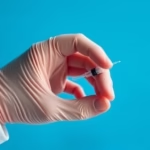
Microneedling is a popular cosmetic procedure that involves using fine needles to create microscopic wounds in the skin, which stimulates the body’s natural healing process. This can lead to improved skin texture, reduced scars, and an overall more youthful appearance. However, while microneedling can yield fantastic results, it also carries certain risks, one of which is the possibility of infection. Understanding the signs of infection after microneedling is crucial for your health and ensuring optimal recovery.
In this blog post, we will explore the signs of infection that may occur post-microneedling and discuss essential tips to ensure a smooth recovery process. This information will help you navigate through your healing journey confidently, making you aware of what to look out for as your skin recovers. Let’s delve into the subject matter and empower you with knowledge that enhances not just your physical health but also your peace of mind.
Understanding Microneedling
Microneedling, also known as collagen induction therapy, is a minimally invasive procedure typically performed by a licensed professional, such as a dermatologist or aesthetician. The technique involves using a device equipped with fine needles to create tiny punctures in the skin. These controlled injuries are designed to stimulate collagen and elastin production, crucial for maintaining healthy, youthful skin.
During the procedure, many practitioners apply a topical anesthetic to minimize discomfort. Although the treatment can be beneficial for various skin conditions, such as acne scars, stretch marks, or fine lines, it can also pose potential risks, including infection. Infection can occur when proper hygiene practices are not followed before, during, or after the procedure.
It’s essential to understand that while microneedling is considered safe when performed in a sterile environment, complications can arise. Hence, being well-informed about signs of infection is imperative for timely medical intervention that could prevent more severe problems.
Recognizing Early Signs of Infection
Recognizing the early signs of infection after microneedling is critical for a swift recovery. Typically, after the procedure, some degree of redness, swelling, or sensitivity is expected as the skin begins to heal. However, differentiating between normal healing and infection can sometimes be challenging.
Some common early signs of infection include:
- Redness: While minor redness is expected post-treatment, persistent or worsening redness that spreads could indicate an infection.
- Swelling: If swelling continues to increase rather than decrease after a few days post-treatment, it may be an infection.
- Pus or Drainage: The presence of green or yellow discharge from the treatment area is a clear sign of infection.
- Pain: An increase in pain or discomfort that doesn’t improve over time may suggest an infection.
By monitoring these early signs, you can seek medical help promptly, potentially avoiding more severe complications.
The Importance of Post-Care Instructions
Implementing proper post-care instructions after microneedling is vital to minimizing the risk of infection. Following the guidelines provided by your practitioner can significantly influence the outcome of your recovery.
Your practitioner will often advise you to keep the treated area clean and avoid applying makeup for a specified period. Additionally, you may need to refrain from using harsh skincare products that can irritate your skin, including exfoliants, retinoids, and certain acne medications. Keeping your skin hydrated is equally important, where a gentle moisturizer may aid in healing without causing irritation.
Moreover, avoiding sun exposure and wearing sunscreen is crucial for protecting the sensitive skin as it heals. Following these instructions diligently will not only facilitate recovery but also prevent complications such as infection.
Factors Leading to Post-Microneedling Infections
A variety of factors can contribute to the development of infections after microneedling. Understanding these factors can help you minimize the risks involved in the treatment process.
1. Poor Hygiene: If the skin is not properly cleansed before the procedure or if the tools used are not sterile, it can lead to infections. Micro-tears allow bacteria to enter the skin, which can exacerbate infection rates.
2. Skin Conditions: Individuals with pre-existing skin conditions, such as eczema or psoriasis, may have an increased risk of infection due to compromised skin barriers.
3. Post-Care Neglect: Failing to adhere to post-care instructions provided by practitioners can leave the skin vulnerable to infection.
4. Excessive Touching of the Face: Touching the treated area frequently can introduce bacteria from your hands onto sensitive skin that is healing.
5. Use of Non-Sterile Products: Applying non-sterile skincare products, makeup, or creams to affected areas can increase the likelihood of infections.
By addressing these factors and being mindful during the healing process, you can significantly lower the risk of developing an infection.
Healthcare Provider Consultation
Upon recognizing signs that may indicate an infection, it is essential to consult with a healthcare provider promptly. Early identification and treatment are key factors in preventing further complications that could arise from untreated infections.
Your doctor will likely ask about your symptoms, conduct a physical examination of the affected area, and might recommend laboratory tests to properly diagnose the infection. Once diagnosed, treatment may include antibiotics to combat bacterial growth. In more severe instances, drainage of pus or fluid might be necessary.
It is crucial to follow your healthcare provider’s advice, including completing the entire course of antibiotics if prescribed. Ensuring open communication with your healthcare provider post-treatment ensures your recovery remains on the right track.
Home Remedies for Soothing Inflammation
While medical treatment is often necessary for addressing infections, some home remedies can help soothe inflammation and support the skin’s recovery. Always consult with your healthcare provider before applying any home remedies to prevent adverse effects.
1. Cool Compresses: Applying a clean, cool compress to the treated area can help reduce swelling and provide cooling relief.
2. Aloe Vera: The natural soothing properties of aloe vera can aid in minimizing inflammation and promoting healing.
3. Honey: Raw honey has natural antibacterial properties and can be applied to the skin to help prevent or soothe mild infections.
4. Witch Hazel: Known for its astringent properties, witch hazel can be applied to rashy areas after consulting with a healthcare provider for its suitability.
These home remedies should not replace professional medical treatment but can be incorporated as complementary care to soothe inflamed skin.
Preventive Measures Before Microneedling
Taking preventive measures before undergoing microneedling can significantly minimize the risk of infection. Proper pre-treatment preparation lays a strong foundation for a successful outcome.
1. Research and Choose a Qualified Practitioner: Selecting a licensed, experienced professional is crucial for ensuring safety and proper technique.
2. Pre-Treatment Consultation: Discuss any existing medical conditions, skin sensitivities, or allergies that might affect treatment with your practitioner.
3. Proper Skin Prep: Ensure your skin is adequately prepared before the procedure. This may include a gentle skincare regimen leading up to your treatment.
4. Avoid Certain Medications: Prior to treatment, it may be recommended to stop taking blood thinners or anti-inflammatory medications that can increase bleeding and complications.
By implementing these preventive measures, you can enhance your overall experience and reduce the likelihood of post-procedure infections.
Understanding the Healing Process
Understanding the healing timeline after a microneedling procedure can put you at ease and allow you to know what to expect. Post-treatment, the skin typically goes through various phases of healing that include inflammation, proliferation, and remodeling.
Initially, there may be mild swelling and redness, lasting for a couple of days. Around the third day, you may begin to notice your skin peeling or flaking as it sheds dead cells and makes way for the new, healthier skin underneath. This phase usually lasts about a week.
After the initial recovery, it can take several weeks for collagen and elastin production to kick in, resulting in improved skin texture and appearance gradually. Understanding this process can help to manage expectations and reduce anxiety regarding the recovery process.
Final Thoughts on Microneedling and Infection Risks
Microneedling can transform your skin, offering rejuvenating effects when performed correctly and under sterile conditions. However, as with any cosmetic procedure, it is essential to be aware of the risks involved, particularly the possibility of infections.
Keeping an eye out for early signs of infection, adhering to post-care instructions, and consulting with your healthcare provider can significantly mitigate risks. Remember to practice proper hygiene pre-and post-treatment, to foster a healing environment, and to ensure optimal results.
Always prioritize open communication with your skincare professional and healthcare provider, allowing for a supportive network that aids in your recovery. Luxuriate in your newfound confidence with healthy skin, knowing you’ve educated yourself on preventing and identifying infection risks associated with microneedling.
Frequently Asked Questions
- 1. How long does it take for skin to heal after microneedling? Healing can vary but typically takes 5 to 7 days, with complete results visible in several weeks as collagen production ramps up.
- 2. Can I wear makeup after microneedling? It’s best to avoid makeup for at least 24 to 48 hours post-treatment, depending on the advice given by your practitioner.
- 3. What should I do if I notice signs of infection? Consult your healthcare provider immediately to discuss symptoms and potential treatments.
- 4. Is microneedling safe for everyone? Not everyone is an ideal candidate; individuals with certain skin conditions or health issues should consult their provider before proceeding.
- 5. Can I combine other treatments with microneedling? While some treatments can complement microneedling, discussing any combination with your practitioner is crucial for safety and effectiveness.
Further Reading
3.5 tog sleeping bag temperature guide
What Type of Psychotherapy Is Best for Anxiety?