Key Takeaways
- Most sinus infections are viral and contagious.
- Common symptoms include facial pressure and congestion.
- Practice good hygiene to prevent spreading germs.
- See a doctor if symptoms last over 10 days.
Understanding Sinus Infection Symptoms Transmission
When you feel that familiar pressure behind your eyes or a persistent ache in your cheeks, you might be researching sinus infection symptoms transmission to understand what is happening in your body. A sinus infection, also known as sinusitis, occurs when the spaces inside your nose and head become inflamed and swollen. While many people assume these infections are always bacterial, they are frequently caused by viruses, which makes understanding how they spread an essential part of managing your health.
Navigating the symptoms of a sinus infection can be frustrating, especially when you are trying to determine if you are contagious to friends, family, or colleagues. By learning about the nature of these infections, you can take proactive steps to feel better while minimizing the risk of passing the illness to others. This guide provides clear, evidence-based information to help you manage your symptoms and protect those around you.
Recognizing Common Sinus Infection Symptoms
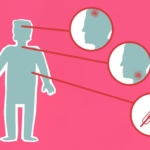
The symptoms of sinusitis often mimic those of a common cold, which is why it can be difficult to tell the difference at first. However, sinus infections tend to linger longer and cause more localized discomfort. The most common indicators include a feeling of pressure or pain in your face, particularly around the forehead, eyes, and cheeks. This often worsens when you bend forward or lie down.
In addition to facial pain, you may experience a blocked or stuffy nose that makes breathing difficult. This congestion often prevents mucus from draining properly, which creates a breeding ground for germs. Other frequent symptoms include:
- Thick, discolored nasal discharge.
- A reduced sense of smell or taste.
- Coughing, which often worsens at night.
- Fatigue or a general feeling of being unwell.
- Ear pressure or a feeling of fullness in the ears.
It is important to remember that not everyone experiences every symptom. Some people might only have minor congestion, while others may deal with severe headaches and fever. If your symptoms are accompanied by a high fever or if you have trouble breathing, you should seek medical attention promptly.

The Reality of Sinus Infection Symptoms Transmission
When discussing sinus infection symptoms transmission, the primary concern is the underlying cause of the inflammation. If your sinus infection is triggered by a viral infection, such as the common cold or influenza, it is definitely contagious. These viruses spread through respiratory droplets when you cough, sneeze, or even talk. If someone inhales these droplets or touches a surface contaminated by them and then touches their face, they can contract the virus.
However, not all sinus infections are contagious. If your sinusitis is caused by non-infectious factors, such as seasonal allergies, nasal polyps, or a deviated septum, you cannot spread it to others. These conditions cause inflammation without the presence of a transmissible virus or bacteria. Distinguishing between these causes is the first step in understanding whether you need to isolate yourself.
If you are unsure about the cause, it is always safest to practice good hygiene. Treat your symptoms as if they are contagious until you have a clear diagnosis from a healthcare provider. This simple approach helps prevent the spread of common respiratory viruses that could turn into a sinus infection for someone else.
How to Prevent Spreading Germs
Preventing the spread of germs is the most effective way to manage sinus infection symptoms transmission. Since respiratory viruses are highly common, consistent hygiene habits make a significant difference. The most important practice is frequent handwashing with soap and water for at least 20 seconds, especially after blowing your nose or sneezing.
If soap and water are not readily available, use an alcohol-based hand sanitizer. Additionally, avoid touching your eyes, nose, and mouth, as these are the primary entry points for viruses. If you feel a sneeze or cough coming on, always use a tissue or the inside of your elbow rather than your hands.
- Clean frequently touched surfaces like doorknobs and phones.
- Avoid sharing personal items like cups, towels, or utensils.
- Stay home from work or school if you have a fever or severe symptoms.
- Wear a mask if you must be around others while symptomatic.
Comparing Causes of Sinusitis
Understanding the root cause of your symptoms can help you determine the appropriate course of action. The following table breaks down the different types of sinusitis and their transmission risks.
| Type of Sinusitis | Typical Cause | Contagious? |
|---|---|---|
| Viral Sinusitis | Common Cold/Flu | Yes |
| Bacterial Sinusitis | Bacteria | Rarely |
| Allergic Sinusitis | Pollen/Dust | No |
| Chronic Sinusitis | Anatomical/Polyps | No |

When to See a Doctor
While many sinus infections resolve on their own with rest and home care, there are times when professional medical intervention is necessary. You should contact a doctor if your symptoms last longer than 10 days without showing signs of improvement. This could indicate a secondary bacterial infection that might require specific treatment.
Furthermore, you should seek medical help if you experience a high fever, severe headache, confusion, vision changes, or neck stiffness. These can be signs of more serious complications that require immediate attention. A doctor can perform a physical exam and determine whether you need imaging or other tests to understand the severity of your condition.
Do not wait for symptoms to become unbearable. Early intervention can help you recover faster and prevent the infection from spreading or becoming chronic. Always follow the advice of your healthcare provider regarding any medications or treatments they recommend for your specific situation.
Lifestyle Adjustments for Faster Recovery
Supporting your immune system is vital when you are fighting off a sinus infection. Focus on getting adequate rest, which allows your body to dedicate energy to healing. Avoiding environmental irritants like cigarette smoke, strong perfumes, and heavy pollution can also prevent further irritation of your nasal passages.
Using a humidifier in your room can keep the air moist, which helps soothe inflamed membranes in your nose. Additionally, warm compresses applied to your face can provide significant relief from the pressure and pain associated with sinusitis. These simple, non-invasive methods can help manage your discomfort while your body recovers.
Eating a balanced diet and staying away from alcohol can also help your body heal more effectively. Keep your environment clean and well-ventilated to reduce the concentration of any potential pathogens in your living space. Small changes in your daily routine can lead to significant improvements in how quickly you feel like yourself again.
Navigating Environmental Triggers and Sinus Health
Impact of Indoor Air Quality on Sinusitis
Indoor air quality significantly influences the frequency and severity of sinus infections. Common household pollutants such as dust mites, pet dander, and volatile organic compounds from cleaning agents can irritate the nasal lining. When the nasal mucosa becomes inflamed due to these irritants, the natural drainage pathways of the sinuses are often obstructed. This environment allows bacteria or viruses to thrive if they are introduced to the respiratory system.
Managing Humidity and Allergen Exposure
Maintaining optimal indoor humidity levels is essential for preventing sinus distress. Dry air often strips the nasal passages of necessary moisture, making them more susceptible to damage and infection. Conversely, excessively humid environments can encourage mold growth which acts as a potent allergen. Using air purifiers with HEPA filters and managing humidity levels between 30 and 50 percent can drastically reduce the risk of recurring sinus issues.
- Utilize high-efficiency particulate air filters to capture airborne irritants.
- Keep living spaces clean to minimize dust accumulation.
- Monitor indoor humidity levels with a hygrometer.

The Role of Immune System Function in Sinus Protection
Nutritional Support for Mucosal Immunity
A robust immune system serves as the first line of defense against the pathogens that cause sinus infections. Consuming a diet rich in vitamins C, D, and zinc helps maintain the integrity of the mucus membranes. These nutrients support the production of antimicrobial proteins that help clear pathogens before they establish a full infection. Adequate hydration is equally important as it ensures the mucus remains thin and easy to expel.
Sleep Hygiene and Respiratory Defense
Quality sleep is fundamentally linked to the body’s ability to combat respiratory infections. During deep sleep, the body releases cytokines that are necessary for an effective immune response. Chronic sleep deprivation can lead to a weakened defense mechanism, making individuals more prone to viral transmission. Establishing a consistent sleep schedule helps optimize immune function, thereby reducing the likelihood of prolonged sinus inflammation.
Understanding Chronic Sinusitis Patterns
Distinguishing Between Acute and Chronic Conditions
It is vital to differentiate between temporary acute sinus infections and chronic sinusitis. Chronic sinusitis is characterized by inflammation that lasts for twelve weeks or longer despite attempts to manage symptoms. This condition is often associated with underlying structural issues such as nasal polyps or a deviated septum. Understanding these patterns helps in seeking appropriate long-term management strategies rather than relying solely on short-term remedies.
Identifying Structural Factors in Sinus Blockage
Structural abnormalities within the nasal cavity can impede the normal drainage of the sinuses. When the anatomy prevents proper airflow and mucus clearance, the sinuses become a breeding ground for microorganisms. Identifying these factors through clinical evaluation is necessary for those who suffer from recurrent infections. Medical professionals may recommend specific interventions to improve drainage and prevent the chronic accumulation of mucus that typically precedes an infection.
Frequently Asked Questions
Can I catch a sinus infection from someone else?
You can catch the virus that causes the infection, but you do not catch the sinus infection itself. If someone has a cold that leads to sinusitis, you might catch their cold virus, which could then lead to a sinus infection in you.
How long is a sinus infection contagious?
If the infection is viral, it is generally contagious for as long as you have symptoms, such as sneezing or a runny nose. Most viral colds are most contagious in the first few days of the illness.
Is it okay to go to work with a sinus infection?
If you are still experiencing symptoms like coughing and sneezing, it is best to stay home to avoid spreading the virus to your coworkers. If your symptoms are caused by allergies, you are not contagious and can typically attend work as usual.
What is the difference between a cold and a sinus infection?
A cold is a general viral upper respiratory infection. A sinus infection occurs when the sinuses become blocked and inflamed, often as a result of a cold. Sinus infections tend to cause more intense facial pressure and last longer than a typical cold.
The Bottom Line
Managing sinus infection symptoms transmission is primarily about understanding whether your illness is viral and practicing good hygiene to protect those around you. Most sinus infections are temporary and respond well to rest, hydration, and proper self-care. By staying mindful of your symptoms and knowing when to seek professional medical advice, you can navigate these infections with confidence. Always prioritize your health and consult a doctor if your symptoms persist or worsen, as they can provide the personalized care you need to recover fully.