





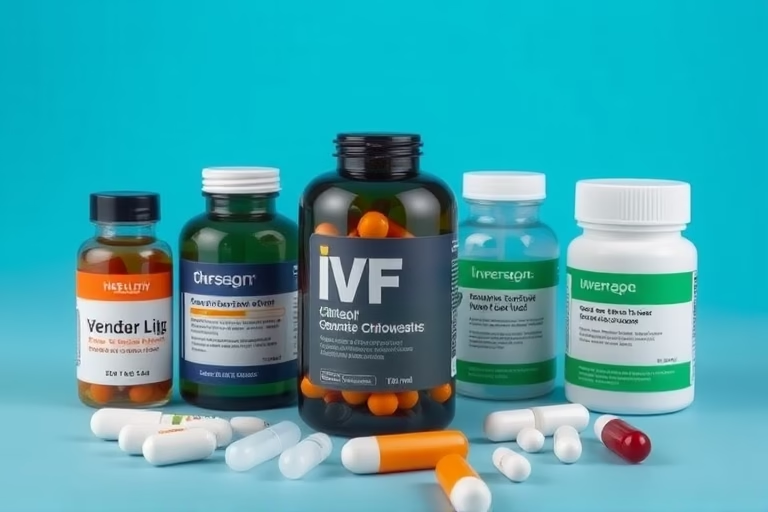
We will be talking about supplements for IVF. In vitro fertilization, commonly known as IVF, is a medical procedure used to assist couples who have difficulties conceiving. This technique involves retrieving eggs from a woman’s ovaries and fertilizing them with sperm in a lab setting. The resulting embryos are then transferred back to the reproductive tract in hopes of achieving pregnancy. While there are various factors affecting the success rates of IVF, nutritional and dietary support plays a significant role. This is where supplements for IVF come into play. These supplements can enhance fertility, support hormonal balance, improve egg and sperm quality, and overall increase the chances of a successful pregnancy. In this blog post, we will explore various aspects of supplements for IVF, including the key nutrients, benefits, and tips for choosing the right supplements.
Understanding the Importance of Supplements for IVF
Supplements are essential for individuals undergoing IVF as they provide nutrients that may be lacking in the diet. The human body requires a variety of nutrients such as vitamins, minerals, and antioxidants to function optimally. During IVF treatments, the body is under additional stress, both physically and emotionally. Adequate supplementation helps support the reproductive system by improving ovulatory function and sperm health.
Common supplements include folic acid, CoQ10, omega-3 fatty acids, and vitamin D. These nutrients have demonstrated various beneficial effects on reproductive health. Folic acid is crucial for cell division and helps prevent neural tube defects in pregnancies. CoQ10 is known for improving egg quality, while omega-3 fatty acids contribute to overall hormonal balance. Vitamin D plays a role in reproductive function and supports the immune system. With proper supplementation, IVF patients can enhance their chances of success.
In summary, understanding the importance of supplements for IVF is vital for anyone planning this assisted reproductive technology. Fertility supplements can make a significant difference in outcomes and provide necessary support to individuals as they navigate their fertility journey.
Essential Vitamins for IVF Success
Vitamins play a crucial role in overall health and well-being, and when it comes to IVF, certain vitamins can enhance reproductive health. Key vitamins include:
- Folic Acid: Vital for cell division and prevention of neural tube defects.
- Vitamin D: Supports hormonal balance and immune function.
- Vitamin E: Antioxidant properties that improve egg quality.
- Vitamin C: Boosts sperm motility and overall fertility.
Folic acid is often recommended before and during pregnancy, as it decreases the risk of serious birth defects. A deficiency of vitamin D has been linked to infertility, making supplementation important for those trying to conceive. Additionally, vitamins E and C provide antioxidant support, which can protect reproductive cells from oxidative stress.
Incorporating a balanced multivitamin that includes these essential vitamins can help improve outcomes for individuals undergoing IVF. Always consult with a healthcare provider before starting any new supplement regimen, as individual needs may vary.
Minerals That Support Reproductive Health
Minerals are equally important as vitamins and can greatly affect reproductive health. Key minerals to consider include:
- Zinc: Essential for both male and female fertility, supports sperm production.
- Iron: Vital for oxygen transport and energy levels during IVF treatments.
- Calcium: Supports hormonal balance and reproductive health.
- Magnesium: Important for regulating hormonal levels.
Zinc plays a dual role in enhancing the quality of sperm and supporting women’s follicular health. Iron is crucial during IVF since many women experience anemia, which can hinder energy levels and overall health. Calcium and magnesium contribute to proper muscular function and help maintain balanced hormone levels, which is essential for successful conception and pregnancy.
Including these vital minerals in the diet or through supplementation can contribute significantly to the success of IVF. As always, discuss any changes in supplementation with a healthcare professional.
The Role of Antioxidants in IVF
Antioxidants are compounds that protect the body from oxidative stress, which can adversely affect cellular function, including fertility. In the context of IVF, antioxidants have been linked to improved implantation rates and overall reproductive health. Key antioxidants include:
- CoQ10: Helps improve egg quality.
- Vitamin C: Increases sperm motility and protects sperm DNA.
- Vitamin E: Enhances reproductive hormone production.
- Beta-carotene: Supports egg development.
Research has shown that CoQ10 can particularly benefit women in advanced maternal age or those experiencing diminished ovarian reserve. By neutralizing harmful free radicals, these antioxidants support the integrity of reproductive cells and may enhance the effectiveness of IVF treatments.
Incorporating more antioxidant-rich foods into the diet or using targeted supplements may help create a more favorable environment for embryo development.
Herbal Supplements to Consider for IVF
Herbal supplements have gained popularity among couples seeking to enhance fertility. Several herbs have shown potential benefits for reproductive health:
- Vitex (Chaste Tree): May help regulate menstrual cycles.
- Maca Root: Known for balancing hormones and enhancing fertility.
- Red Clover: Provides phytoestrogens that may support reproductive function.
- Ashwagandha: Reduces stress and may improve sperm quality.
Vitex is often used to help women with irregular cycles, promoting hormonal balance essential for successful conception. Maca root is recognized for its ability to enhance libido and promote reproductive health in both men and women. On the other hand, Red Clover and Ashwagandha offer supportive benefits during the stressful IVF process.
Before incorporating any herbal supplements, it is important to consult with a healthcare provider, as these products can interact with certain medications or conditions.
The Importance of a Balanced Diet in IVF
A balanced diet is fundamental for anyone undergoing IVF. The food you consume directly affects your overall health and can significantly impact reproductive outcomes. Key dietary components include:
- Fruits and Vegetables: Rich in vitamins, minerals, and antioxidants.
- Whole Grains: Provides important B-vitamins and fiber.
- Healthy Fats: Sources include avocados, nuts, and olive oil.
- Lean Proteins: Important for hormonal balance and overall health.
A diet abundant in fruits and vegetables supports general health and provides necessary nutrients for reproductive function. Whole grains contribute to maintaining stable energy levels, while healthy fats are crucial for producing hormones. Including lean proteins, such as fish and poultry, helps support muscle development and tissue repair.
Emphasizing a diet rich in whole, nutrient-dense foods can help optimize your health during IVF treatments, maximizing the chances of success. Remember that dietary adjustments should ideally be made well before commencing IVF procedures.
Hydration and Its Role in Fertility
Staying well-hydrated is crucial during IVF as it helps maintain the overall health of the body. Proper hydration supports various bodily functions, including digestion, nutrient absorption, and blood circulation. Water plays a key role in maintaining optimal hormone levels. Here are some hydration tips:
- Drink plenty of water throughout the day.
- Avoid sugary and caffeinated beverages.
- Opt for herbal teas that are safe for fertility.
- Incorporate water-rich fruits and vegetables in your diet.
Dehydration can negatively impact overall well-being and reproductive health, so it is important to prioritize hydration during IVF treatments. Incorporate hydration strategies to support your body through this journey.
The Role of Lifestyle Factors in IVF Success
Aside from nutrition and supplements, lifestyle factors can also impact IVF success. Key lifestyle considerations include:
- Exercise: Engaging in regular moderate exercise can improve overall health but should be balanced.
- Stress Management: Techniques such as yoga, meditation, and deep breathing can help reduce stress levels associated with fertility treatments.
- Avoiding Alcohol and Tobacco: Both substances can negatively impact fertility and embryo implantation.
Participants undergoing IVF should aim for a well-rounded lifestyle that promotes mental, emotional, and physical wellness. Regular physical activity can enhance circulation and stress management, both of which are vital during IVF. By minimizing stress, individuals can create a more conducive environment for fertility.
Making lifestyle adjustments can help support the efficacy of IVF treatments, paving the way for a successful conception.
Consulting with Healthcare Professionals
When considering supplements for IVF, it is crucial to seek guidance from healthcare professionals familiar with reproductive health. Consulting with a fertility specialist, nutritionist, or healthcare provider can help create an individualized supplement plan tailored to individual needs.
Healthcare professionals can assess your dietary intake, recommend necessary supplements, and provide ongoing support throughout the IVF process. They can also monitor for any potential side effects and adjust dosages as needed.
Be proactive in discussing your concerns and questions with your healthcare provider to ensure a comprehensive approach to your fertility journey.
Final Thoughts
Choosing the right supplements for IVF can make a significant difference during the fertility journey. With a well-rounded approach that includes essential vitamins, minerals, antioxidants, and a balanced diet, individuals can maximize their chances of success. Integrating these supplements, along with healthy lifestyle choices, may lead to improved reproductive health and better outcomes.
Never underestimate the power of nutrition and supplementation, as they provide critical support during the demanding IVF process. Always work alongside healthcare professionals to ensure the supplements align with your health requirements and fertility goals.
As you embark on this journey, remain positive and focused on your well-being. Remember to prioritize your health and consider it an essential element of the process. Ultimately, a combination of supplements, a nutritious diet, and a healthy lifestyle can bring you closer to your goal of parenthood.
Frequently Asked Questions
What are key supplements to take during IVF?
Common supplements include folic acid, CoQ10, vitamin D, and omega-3 fatty acids, which support fertility and reproductive health.
How long should I take supplements before starting IVF?
It is advisable to begin taking supplements at least three months before IVF to optimize egg and sperm health.
Can supplements affect IVF success rates?
Yes, proper supplementation can enhance the quality of eggs and sperm, contributing to increased success rates in IVF.
Should I consult a doctor before taking supplements?
Absolutely, consulting with a healthcare professional ensures the right supplements for your specific needs and avoids potential interactions.
Is a healthy diet enough, or do I still need supplements for IVF?
A healthy diet is important, but supplements can provide additional nutrients that may be needed for optimal reproductive health.
Further Reading
What Type of Psychotherapy Is Best for Anxiety?