Key Takeaways
- Sinus infections in dogs can manifest through various symptoms.
- Common signs include nasal discharge, coughing, and facial swelling.
- Diagnosis typically requires a veterinary examination.
- Early detection can lead to more effective treatment.
Understanding Sinus Infections in Dogs
When it comes to our furry friends, being aware of the symptoms of sinus infection in dogs is crucial for their wellbeing. Just like humans, dogs can suffer from sinus infections, which can be uncomfortable and sometimes serious. Recognizing the signs early can make a significant difference in the treatment process and outcome.
Sinus infections, or sinusitis, occur when the sinus cavities become inflamed or infected. This can happen due to various reasons, including allergies, foreign bodies, or even dental issues. Understanding how to identify these infections can help you provide your dog with the care they need.
In this guide, we will delve into the various symptoms, causes, and treatments for sinus infections in dogs. By the end, you’ll have a comprehensive understanding of what to look for and when to seek veterinary assistance.
Common Symptoms of Sinus Infection in Dogs
Identifying the symptoms of sinus infection in dogs can be challenging, as many signs may overlap with other health issues. However, some common symptoms include:
- Nasal Discharge: This can be clear, yellow, or green, indicating the type of infection.
- Coughing: Dogs may develop a persistent cough as they try to clear their airways.
- Facial Swelling: Look for swelling around the eyes or muzzle, which may indicate a more severe infection.
- Difficulty Breathing: Watch for labored breathing or changes in breathing patterns.
- Loss of Appetite: Affected dogs may show little interest in food due to discomfort.
- Lethargy: An otherwise active dog may seem unusually tired or inactive.
These symptoms can vary in severity and may not all be present. It’s essential to monitor your dog closely if you notice any of these signs.
Causes of Sinus Infections in Dogs
Understanding the underlying causes of sinus infections in dogs can aid in prevention and treatment. Some common causes include:
- Allergies: Environmental allergens such as pollen, dust, or mold can lead to sinusitis.
- Dental Problems: Infections or issues with teeth, especially in the upper jaw, can spread to the sinuses.
- Foreign Bodies: Objects lodged in the nasal passages can cause irritation and lead to infection.
- Infections: Bacterial or viral infections can directly affect the sinuses.
- Fungal Infections: In rare cases, fungal infections can also cause sinus issues in dogs.
Each of these causes can lead to inflammation and infection, making it vital to address any initial symptoms early.
How to Diagnose a Sinus Infection in Dogs
If you suspect your dog may have a sinus infection, a visit to the veterinarian is essential. The diagnosis typically involves:
- Physical Examination: The veterinarian will check your dog’s overall health, focusing on the nose, throat, and ears.
- Medical History: Providing a thorough history of your dog’s symptoms and any previous health issues can help the vet make an accurate diagnosis.
- Diagnostic Tests: In some cases, imaging tests like X-rays may be necessary to assess the sinuses.
Accurate diagnosis is key to effective treatment. Your veterinarian may also recommend additional tests if the cause is not immediately clear.
Treatment Options for Sinus Infections in Dogs
Treatment for sinus infections in dogs varies based on the cause and severity of the condition. Common treatment options include:
- Antibiotics: If the sinus infection is bacterial, your vet may prescribe antibiotics to eliminate the infection.
- Anti-Inflammatory Medications: These can help reduce swelling and alleviate pain.
- Supportive Care: Ensuring your dog stays hydrated and comfortable is vital during recovery.
- Addressing Underlying Issues: If allergies or dental problems are the root cause, these must also be treated.
Following your veterinarian’s instructions is crucial for a successful recovery. Always finish any prescribed medications, even if your dog appears to be feeling better.
Home Care and Management
While veterinary care is essential for treating sinus infections, there are supportive measures you can take at home:
- Humidifier Use: Keeping the air moist can help ease nasal congestion.
- Warm Compresses: Applying a warm compress around the affected areas can provide comfort.
- Hydration: Encourage your dog to drink plenty of water to stay hydrated.
- Rest: Ensure your dog has a quiet place to rest and recover.
While these methods can help, they should not replace professional veterinary care.
Preventing Sinus Infections in Dogs
Taking preventive measures can reduce the likelihood of sinus infections in your dog. Consider the following tips:
- Regular Vet Check-Ups: Routine examinations can catch health issues before they escalate.
- Dental Care: Maintain your dog’s dental health through regular brushing and professional cleanings.
- Allergy Management: Identify and minimize exposure to allergens that affect your dog.
- Clean Environment: Regularly clean your home to reduce dust and airborne irritants.
By proactively caring for your dog’s health, you can help prevent sinus infections and other related issues.
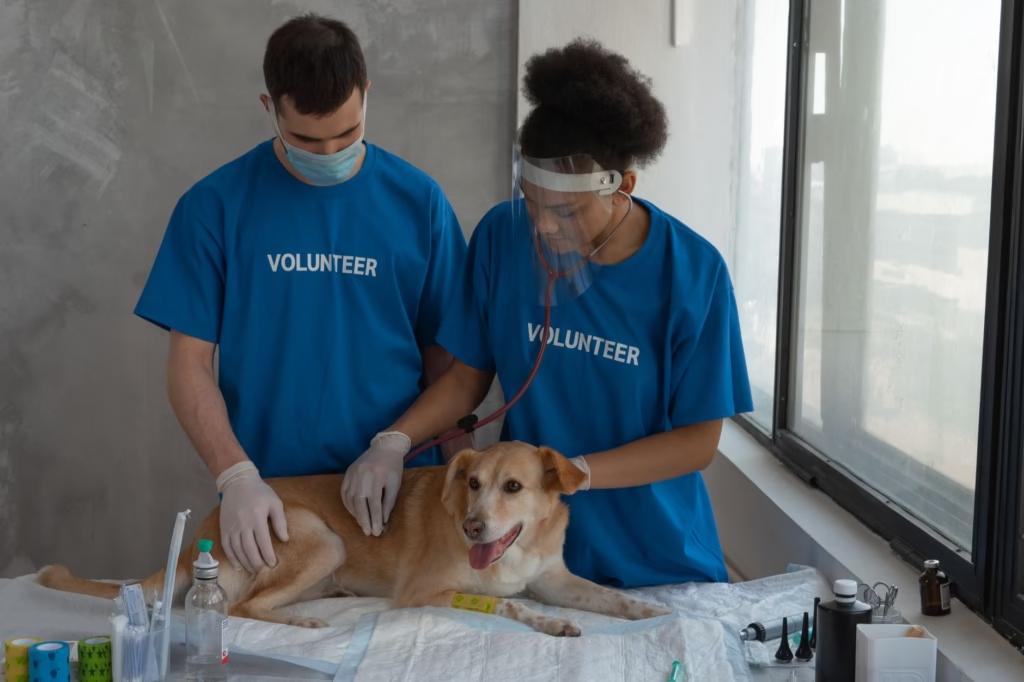
Recognizing the Impact of Sinus Infections on Overall Health
Systemic Effects of Sinus Infections
While sinus infections primarily affect the nasal passages and sinuses, they can have broader implications for a dog’s overall health. The inflammatory response triggered by a sinus infection can lead to systemic symptoms. Dogs may exhibit changes in behavior, appetite, and energy levels while battling an infection.
The body’s immune response can divert energy from other functions, leading to fatigue. Additionally, if a sinus infection leads to a secondary bacterial infection, the dog may experience more severe systemic symptoms. This cascading effect highlights the importance of monitoring a dog’s health closely during a sinus infection.
- Reduced activity levels
- Changes in eating habits
- Increased irritability or lethargy
Chronic Sinus Issues and Long-Term Health Risks
Chronic sinus infections can pose long-term health risks for dogs. Persistent inflammation can lead to structural changes in the nasal passages and sinuses, potentially resulting in chronic rhinitis or even nasal polyps. These conditions may require surgical intervention and could lead to recurrent infections.
Moreover, chronic sinus infections can affect a dog’s quality of life. The continuous discomfort may lead to behavioral changes, such as increased aggression or withdrawal. Regular veterinary check-ups are essential to manage these risks effectively and ensure that any chronic issues are addressed promptly.
Psychological and Behavioral Changes
Sinus infections can also trigger psychological and behavioral changes in dogs. The discomfort associated with sinusitis may lead to stress and anxiety, which can manifest as changes in disposition or increased vocalization. Some dogs may become clingier to their owners, seeking comfort during periods of illness.
Additionally, the pain and discomfort from sinus pressure can lead to altered sleeping patterns. Dogs may find it difficult to get comfortable, resulting in disrupted sleep and increased irritability. Monitoring these behavioral changes can help owners understand the extent of their dog’s illness and seek necessary veterinary care.
Holistic Approaches to Support Recovery
Nutritional Considerations
A dog’s diet plays a crucial role in supporting their immune system, especially during recovery from a sinus infection. Providing a well-balanced diet rich in essential nutrients can help bolster their defenses. Ingredients that are high in antioxidants, vitamins, and minerals can aid in the healing process.
Consider incorporating the following nutritional elements into your dog’s diet during recovery:
- Omega-3 fatty acids (found in fish oil) to reduce inflammation
- Vitamin C for immune support
- Zinc to assist in healing
Consult with a veterinarian about suitable dietary adjustments or supplements that can enhance your dog’s recovery process. It’s essential to avoid sudden dietary changes, which may further upset the digestive system.
Alternative Therapies
Many pet owners are exploring alternative therapies to aid in their dog’s recovery from sinus infections. Acupuncture, for instance, has been shown to alleviate pain and promote healing by increasing blood flow and reducing inflammation. This holistic approach may complement traditional treatments.
Another alternative is aromatherapy, which can provide relief for respiratory symptoms. Essential oils such as eucalyptus and peppermint, when used appropriately and under guidance, can help open up airways and improve breathing. However, it’s crucial to ensure that any oils used are safe for canine use and to consult a veterinarian before introducing new therapies.
Environmental Adjustments
Creating a conducive environment is vital for a dog’s recovery from sinus infections. Reducing exposure to allergens such as dust, pollen, and smoke can help minimize irritation of the nasal passages. Regular cleaning of the dog’s living space, including bedding and toys, can significantly reduce allergens.
Using air purifiers can also improve air quality, making it easier for dogs to breathe. Additionally, humidifying the air can help keep nasal passages moist and reduce discomfort caused by congestion. Owners should ensure that the humidity levels are kept within a healthy range to avoid potential mold growth.
Understanding the Role of Veterinary Care
Importance of Regular Check-Ups
Regular veterinary check-ups are essential for maintaining a dog’s overall health and early detection of sinus infections. During routine visits, veterinarians can assess a dog’s respiratory health and identify any underlying issues that may predispose them to sinus infections.
Vets can also provide vaccinations that may help protect against certain respiratory pathogens, further reducing the risk of sinus infections. Early intervention through routine health checks can prevent minor issues from escalating into more serious conditions.
When to Seek Veterinary Assistance
Recognizing when to seek veterinary assistance is crucial for the well-being of a dog suffering from a sinus infection. If symptoms persist for more than a few days, or if a dog exhibits signs of severe distress, such as difficulty breathing, it is vital to consult a veterinarian immediately.
Other warning signs that require immediate veterinary attention include:
- Severe nasal discharge that is discolored or foul-smelling
- Persistent coughing or sneezing
- Changes in appetite or drinking habits
Prompt veterinary care can provide necessary treatments, such as antibiotics or anti-inflammatory medications, to alleviate symptoms and prevent complications.
Follow-Up Care and Monitoring
After a diagnosis of a sinus infection, follow-up care is essential to ensure the recovery process is on track. Veterinarians may recommend regular check-ins to monitor the dog’s response to treatment and adjust medications as necessary.
Monitoring the dog’s symptoms at home can also provide valuable insights into their recovery. Owners should keep track of changes in behavior, appetite, and overall energy levels. Maintaining a detailed record can assist veterinarians in making informed decisions regarding ongoing treatment or additional diagnostic testing if symptoms do not improve.
Potential Complications of Sinus Infections in Dogs
Chronic Respiratory Issues
Sinus infections can lead to chronic respiratory problems in dogs if not treated properly. Inflammation and infection can spread to the upper and lower respiratory tracts, potentially resulting in conditions such as bronchitis or pneumonia. Dogs may exhibit persistent coughing, wheezing, or difficulty breathing, which can severely impact their quality of life.
- Persistent cough
- Difficulty breathing
- Frequent respiratory infections
Monitoring your dog for any signs of these complications is essential to ensure timely treatment and prevent further health deterioration.
Ocular Issues
Sinus infections can also lead to ocular problems in dogs, including conjunctivitis or corneal ulcers. The inflammation and pressure from sinuses can affect the eyes, causing redness, discharge, or excessive tearing. If a dog displays signs of eye discomfort, it may require a veterinary examination to rule out potential complications.
- Red or inflamed eyes
- Discharge from the eyes
- Squinting or pawing at the eyes
Dogs that exhibit these symptoms should be seen by a veterinarian to address both the sinus infection and any related ocular issues.
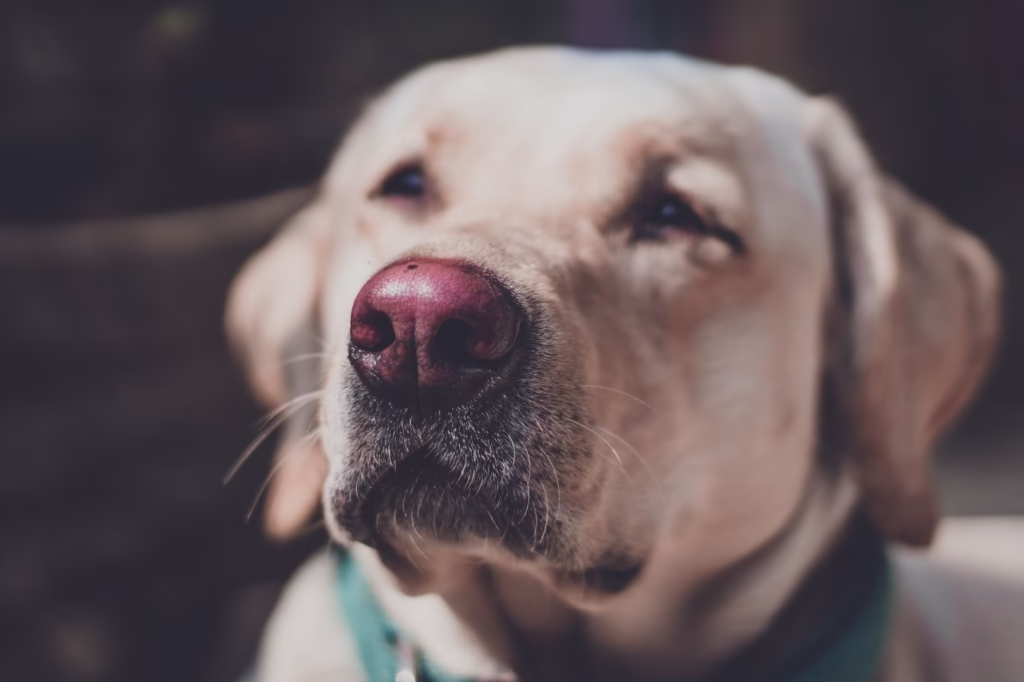
Behavioral Changes in Dogs with Sinus Infections
Changes in Activity Levels
Dogs suffering from sinus infections may display a noticeable decrease in their usual activity levels. The discomfort associated with sinus pressure can lead to lethargy and a reluctance to engage in play or normal routines. Owners may notice their pets sleeping more or showing less interest in walks and outdoor activities.
- Lethargy
- Reduced interest in play
- Increased sleeping
Recognizing these behavioral changes can help owners seek veterinary assistance promptly.
Changes in Appetite and Eating Habits
Sinus infections can affect a dog’s sense of smell, which is crucial for appetite. Dogs may refuse to eat or show disinterest in food, leading to weight loss and nutritional deficiencies. Owners should monitor their dog’s eating habits and consult a veterinarian if there are significant changes.
- Decreased appetite
- Weight loss
- Picky eating behavior
Addressing these issues early can prevent further complications and support the dog’s recovery.
Long-term Management Strategies for Dogs with Sinus Infections
Regular Veterinary Check-ups
Regular veterinary visits are crucial for dogs with a history of sinus infections. These check-ups can help catch any recurring issues early, allowing for prompt interventions. Your veterinarian may recommend follow-up examinations, particularly if your dog has had multiple infections.
- Annual health checks
- Regular dental cleanings
- Monitoring for environmental allergies
Ensuring your pet receives routine care can significantly mitigate the risk of developing future infections.
Environmental Management
Managing your dog’s environment is essential in reducing the likelihood of sinus infections. Keeping the living area clean and free of allergens can help. Regular vacuuming, using air purifiers, and maintaining good humidity levels can create a more comfortable environment for your pet.
- Avoiding exposure to smoke
- Keeping dust and allergens at bay
- Providing a well-ventilated space
By implementing these strategies, pet owners can support their dog’s respiratory health and minimize the risks associated with sinus infections.
Frequently Asked Questions
Can dogs get sinus infections from allergies?
Yes, allergies can lead to sinusitis in dogs. Environmental allergens can cause inflammation and infection in the sinus cavities.
How long does it take for a dog to recover from a sinus infection?
The recovery time varies based on the severity of the infection and the treatment provided. Many dogs begin to show improvement within a few days, but complete recovery may take longer.
What should I do if my dog has a persistent cough?
If your dog has a persistent cough, it’s crucial to consult your veterinarian, as it could indicate a sinus infection or other health issues.
Are there any home remedies for sinus infections in dogs?
While some home remedies may provide comfort, it’s essential to consult your veterinarian for proper diagnosis and treatment. Home care should complement, not replace, veterinary care.
The Bottom Line
Recognizing the symptoms of sinus infection in dogs is vital for ensuring your pet receives timely and effective treatment. If you notice any signs of a sinus infection, consult your veterinarian promptly. With appropriate care, most dogs can recover fully and return to their happy, active selves.
Note: This article is for general information only and is not medical advice. See a qualified health professional about your own situation.