





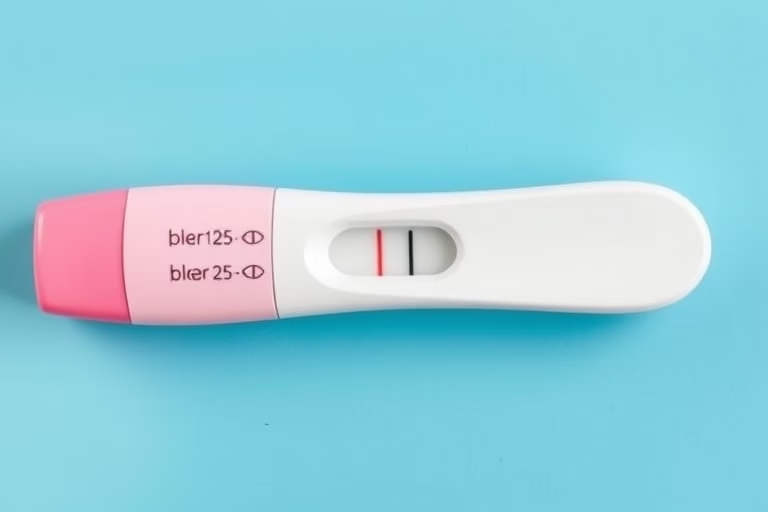
Understanding Implantation Bleeding
Implantation bleeding is a light spotting that may occur when a fertilized egg embeds itself in the lining of the uterus. This usually takes place around 6 to 12 days after conception. Many women confuse this early sign of pregnancy with their regular menstrual cycle. Understanding this distinction is essential for women attempting to conceive, as it can guide them on when to take a pregnancy test. Implantation bleeding is not experienced by every woman, but if it does occur, it is typically much lighter than a regular menstrual period. Recognizing the timing and characteristics of implantation bleeding can help women make informed decisions about pregnancy testing.
Timing for Taking a Pregnancy Test After Implantation Bleeding
The ideal time to take a pregnancy test is vital for obtaining accurate results. After implantation bleeding, it is generally recommended to wait at least a few days prior to testing. This is when the hormone HCG, which is produced when a pregnancy begins, is at detectable levels in urine. Testing too early can lead to a false negative. Waiting a week after implantation bleeding is usually a safe timeframe to ensure accuracy. This allows the body enough time to produce enough HCG hormone to be detected by most home pregnancy tests.
Most home pregnancy tests recommend waiting until the first day of a missed period for a highly reliable result. However, as already mentioned, if you experience implantation bleeding, the timing adjusts slightly. If you suspect pregnancy but are unsure, patience is vital in securing an accurate outcome.
Types of Pregnancy Tests
Pregnancy tests can be broadly categorized into two types: urine tests and blood tests. Each category provides insight into pregnancy status, but their accuracy and timing differ.
1. Urine Tests: Most home pregnancy tests fall into this category. They measure the HCG hormone levels in urine and are generally effective when taken after the expected date of your period.
2. Blood Tests: Conducted at a clinic or doctor’s office, these tests are more sensitive than urine tests.
Choosing the right type of test based on the timing of implantation bleeding is crucial for getting the most accurate results.
Common Signs of Pregnancy After Implantation Bleeding
Following implantation bleeding, several signs may suggest pregnancy. While experiences vary among individuals, here are common indicators:
- Missed Period: The most telling sign, particularly if menstrual cycles are usually regular.
- Nausea and Vomiting: Also known as morning sickness, typically begins a few weeks after implantation.
- Breast Changes: Swelling, tenderness, or changes in the areolas may occur.
- Fatigue: Increased tiredness is common due to hormonal changes.
- Frequent Urination: Hormonal shifts can affect kidney function, increasing the need to urinate.
These signs may occur at different intervals. If you notice them after implantation bleeding, it could reinforce the decision to take a pregnancy test.
Pitfalls of Early Testing
Testing too early can often lead to pitfalls. Key points to consider include:
False negatives are a common outcome when testing before adequate HCG has been released into the bloodstream. Factors including diluted urine, the timing of the test, and the sensitivity of the test used can lead to inaccurate results.
Waiting for the timing to be right ensures more than just being thorough; it enhances the potential to confirm pregnancy accurately.
Taking proactive steps to ensure you’re using the pregnancy test correctly can greatly reduce anxiety and confusion associated with uncertain results.
Interpreting Pregnancy Test Results
Understanding how to interpret the results of a pregnancy test is essential. Generally, results will appear as one of the following:
- Positive Result: Two lines typically indicate pregnancy.
- Negative Result: One line suggests no pregnancy.
- Invalid Test: No lines appear, indicating a problem with the test.
If you receive a positive result, it is prudent to follow up with a healthcare provider for confirmation and further guidance.
Even with a negative result, if your period doesn’t arrive as expected, consider retesting a few days later to confirm the result.
Miscalculating the testing timeline contributes to uncertainty, making understanding test results ways to navigate confidently through decisions concerning your health.
When to Consult a Healthcare Provider
If you suspect pregnancy after experiencing implantation bleeding, consider scheduling an appointment with your healthcare provider. This is crucial if you experience unusual symptoms or have underlying health issues.
A healthcare provider can assist with verifying pregnancy through blood tests, discussing potential prenatal care, and addressing any health concerns you may have.
Do not hesitate to consult if uncertainties exist—even if results seem conclusive. This ensures you are on the right path for your health and well-being.
Final Thoughts
Understanding the timeline and process following implantation bleeding is pivotal for individuals trying to conceive. Taking a pregnancy test too soon can lead to false negatives and unnecessary confusion. Instead, waiting at least a week after the occurrence of implantation bleeding is advisable for an accurate result.
Knowing the various types of pregnancy tests available and interpreting their results can significantly impact the next steps in your pregnancy journey. If pregnancy is confirmed, prompt access to prenatal care can contribute to a healthy pregnancy.
Women should also keep in mind common early signs of pregnancy, as well as potential pitfalls related to early testing. Immediately consulting a healthcare provider is recommended for confirmation and guidance on managing pregnancy health.
Each pregnancy journey is unique. Equip yourself with the knowledge and time to ensure accurate testing outcomes. By navigating this sensitive period with understanding, women can achieve clarity regarding their reproductive health and expected futures.
Frequently Asked Questions
- What is implantation bleeding?
Implantation bleeding is light spotting that occurs when a fertilized egg attaches to the uterine lining, typically around 6-12 days post-conception. - How long after implantation bleeding should I wait to take a test?
It is advisable to wait at least a week after implantation bleeding before taking a pregnancy test for the most accurate results. - Can I trust home pregnancy tests?
Yes, home pregnancy tests are typically reliable when used according to the instructions and after the expected date of your period. - What if I get a negative result but still feel pregnant?
If your period doesn’t arrive as expected, consider retesting a few days later or consult a healthcare provider for further evaluation. - When should I see a doctor if I suspect pregnancy?
Consult your healthcare provider as soon as you suspect you may be pregnant, especially if experiencing unusual symptoms.
Further Reading
What Type of Psychotherapy Is Best for Anxiety?