Key Takeaways
- Fiber helps maintain digestive health, regulates cholesterol, and promotes a feeling of fullness after meals.
- Adults should aim for 25 to 30 grams of fiber daily, primarily through whole foods.
- Increase fiber intake gradually and drink plenty of water to prevent gas, bloating, or discomfort.
- Whole grains, fruits, vegetables, legumes, and nuts are excellent sources of both soluble and insoluble fiber.
What Foods Are High in Fiber?
When you’re wondering, “What foods are high in fiber?” you’re likely looking for information to help improve your digestion, promote a feeling of fullness, or maintain a healthy weight. Fiber is a type of carbohydrate that our bodies can’t digest. Instead of providing energy, fiber moves through your digestive system, helping to keep everything running smoothly. Not only can fiber help with digestive health, but it can also offer numerous other benefits, such as lowering cholesterol levels and preventing constipation.
Many people in the U.S. are beginning to recognize the importance of fiber in their diets, searching for practical food options that can help them meet their fiber intake goals. The daily recommended amount of fiber for adults is 25-30 grams, but most people fall short of this goal. Let’s dive into some specific foods that are high in fiber and explore simple ways to include them in your meals!
What is Fiber?
Fiber is a special type of carbohydrate that our bodies can’t break down. There are two main types of fiber: soluble and insoluble.
- Soluble Fiber: This type dissolves in water and can help lower glucose levels and cholesterol. It’s found in oats, beans, lentils, and some fruits.
- Insoluble Fiber: This type doesn’t dissolve in water and adds bulk to your stool, helping food move through your digestive system. You can find this in whole grains, nuts, seeds, and the skins of fruits and vegetables.
When people search for “What foods are high in fiber?” they’re often looking for practical ways to enhance their health through diet. Eating more fiber can help you feel fuller longer and can benefit your gut health.
Why Does this Happen?
There are several reasons why people may notice that they need more fiber in their diets. One reason could be a recent change in their eating habits. Perhaps they’ve started a new diet that doesn’t include whole grains or fresh produce. Another common factor is an increase in processed foods, which typically contain little to no fiber.
Research suggests that diets low in fiber can lead to various digestive issues, including constipation and bloating, while a higher fiber intake is associated with a lower risk of several chronic diseases. In some people, increasing fiber may also lead to better weight management, as high-fiber foods are often more filling.
Common Foods High in Fiber
Now that we understand what fiber is and why it’s important, let’s explore some common foods that are high in fiber!
- Fruits: Apples, bananas, berries, oranges, and pears are great options. Eating whole fruits rather than drinking fruit juices is more beneficial since the juice can strip away fiber.
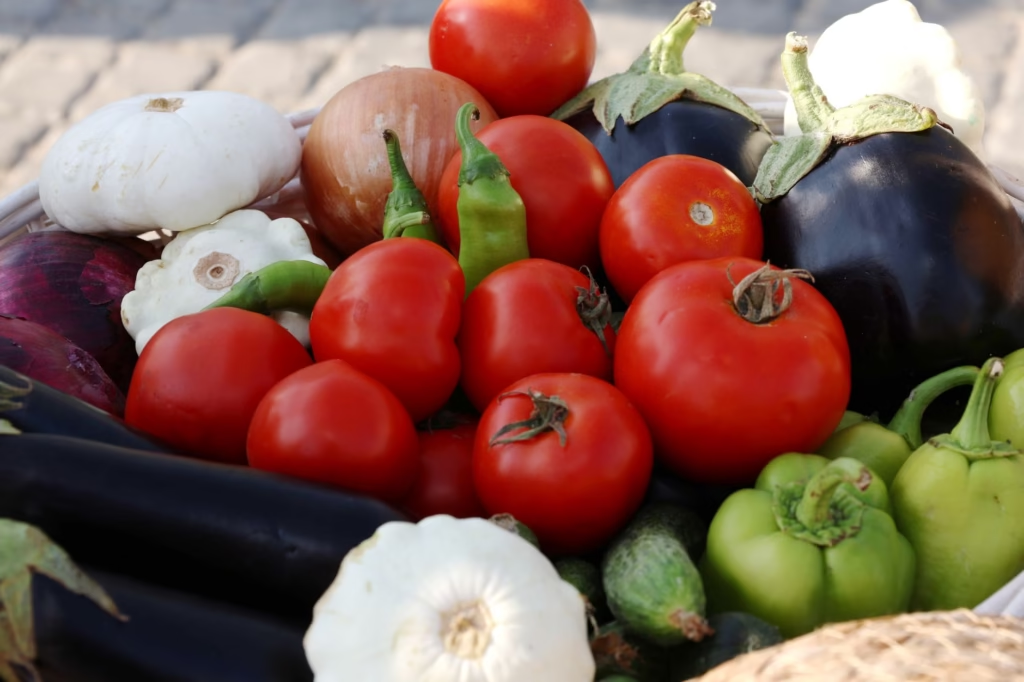
- Vegetables: Broccoli, Brussels sprouts, carrots, and artichokes are all fiber powerhouses. You can incorporate them into salads, stir-fries, or just enjoy them steamed.
- Legumes: Lentils, chickpeas, black beans, and kidney beans are excellent sources of fiber and can easily be added to soups, salads, or made into spreads.
- Whole Grains: Brown rice, quinoa, whole oats, and whole grain bread and pasta are nutritious choices. They provide substantial fiber compared to their white or refined counterparts.
- Nuts and Seeds: Almonds, chia seeds, and flaxseeds are not only crunchy and tasty, but they also deliver a good dose of fiber. Just remember to watch your portions, as nuts are calorie-dense!
What Can Make it Worse?
Several lifestyle choices might worsen your fiber intake. For example, eating a lot of processed foods can lead to a lack of fiber in your diet. Many snacks and meals we frequently grab on the go are low in fiber but high in sugars and unhealthy fats.
Other factors include:
- Hydration: Not drinking enough water can make increasing fiber intake counterproductive, as fiber needs water to aid digestion.
- Stress: High-stress levels can affect digestion, which may make fiber consumption less effective if you’re not managing stress appropriately.
- Inactivity: A sedentary lifestyle can slow digestion, making it harder for fiber to do its job.
Signs and Symptoms to Watch For
It’s important to pay attention to how your body reacts when you increase your fiber intake. Some common signs of inadequate fiber might include constipation or bloating. However, if you rapidly increase your fiber intake without adequate hydration, it can lead to gas, cramping, and discomfort. Remember, moderation is key!
Don’t be alarmed if you notice some digestive discomfort initially when increasing fiber. It can take time for your body to adjust. But if you experience persistent symptoms, it may be a good idea to talk to a healthcare professional.
What Can We Do?
Here are a few practical tips for increasing fiber in your diet:
- Start Slowly: If you aren’t used to eating high-fiber foods, begin incorporating them gradually to minimize discomfort.
- Stay Hydrated: Drink plenty of water to help fiber move through your digestive system efficiently.
- Read Food Labels: When shopping, check the nutrition labels to find high-fiber options, especially for snacks and cereals.
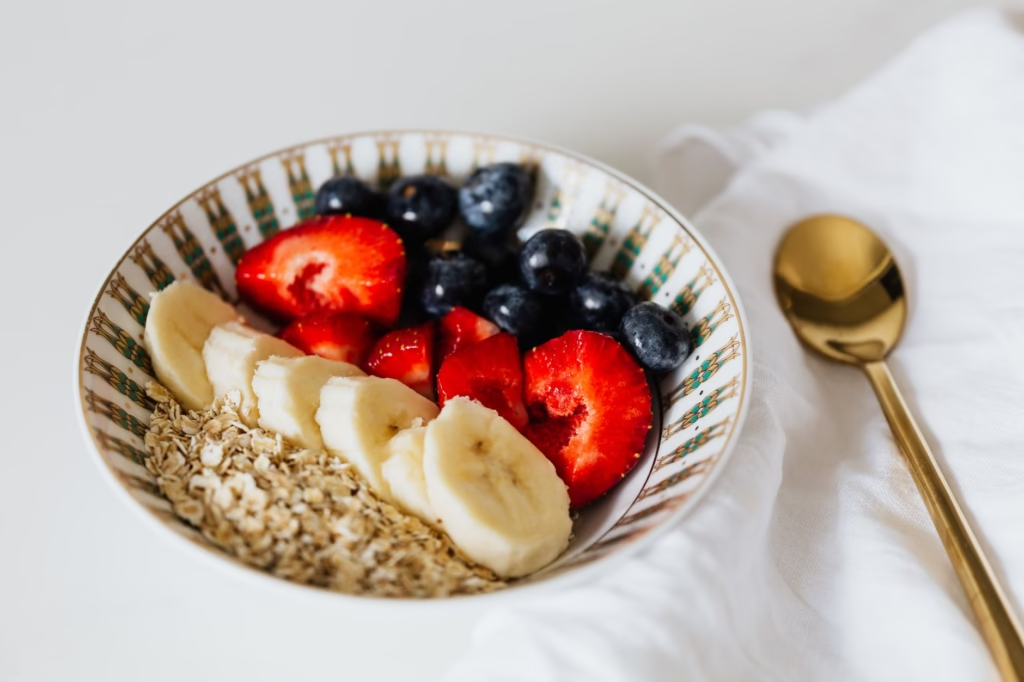
- Add Fiber Gradually: Try to add fiber-rich foods to every meal, like adding berries to your breakfast or having a side salad with lunch.
- Make Smart Swaps: Choose whole grain products instead of refined ones, like whole grain bread instead of white bread.
When Should You See a Doctor?
If you notice any severe symptoms associated with digestion like severe or persistent abdominal pain, blood in your stool, unexplained weight loss, or if symptoms continue despite making dietary changes, it’s important to consult with a healthcare professional. They can provide personalized advice and determine if there’s an underlying issue that needs attention.
Frequently Asked Questions
Why am I always hungry after eating high-fiber foods?
If you still feel hungry after eating high-fiber meals, it might be that you’re not getting enough overall calories or protein. Fiber can help you feel full, but ensuring a balanced diet with proteins and healthy fats is essential.
Can food cause digestive issues if it contains too much fiber?
Yes, consuming too much fiber, especially too quickly, can cause gas, bloating, and cramping. It’s best to increase your fiber intake gradually and stay hydrated.
When should I worry about my fiber intake?
If you’re experiencing constipation, digestive discomfort, or if changes in your bowel habits persist despite dietary adjustments, it may be time to consult a doctor.
Are there any downsides to increasing fiber too fast?
Yes, increasing fiber too quickly can lead to digestive discomfort, such as gas and bloating. It’s recommended to increase your intake gradually and to drink plenty of water.
What are some fiber-rich snacks?
Great fiber-rich snacks include fruit like apples or pears with the skin on, raw vegetables with hummus, and a handful of nuts or seeds.
Can fiber help with weight management?
Yes, fiber can support weight management since it helps you feel fuller for longer and often has fewer calories than other types of food.
Is there a difference between soluble and insoluble fiber?
Absolutely! Soluble fiber dissolves in water and can help lower cholesterol and stabilize blood sugar, while insoluble fiber adds bulk to stool and helps food move through your digestive system.
Are dietary supplements as effective as fiber-rich foods?
This can vary! While supplements can help, it’s generally best to get fiber from whole foods, as they contain additional nutrients that supplements may lack.
What the Research Says About What Foods Are High in Fiber?
Research shows that a diet high in fiber is linked to various health benefits, including lower risk of heart disease, type 2 diabetes, and colorectal cancer. A meta-analysis published in the Journal of Nutrition found that individuals consuming higher fiber diets experience a reduced risk of these conditions compared to those with lower fiber intake. The American Gastroenterological Association emphasizes including both types of fiber for optimal health. However, it’s also important to look at overall dietary patterns rather than just focusing on individual foods.
Simple Daily Habits That May Support Better Health
Incorporating simple daily habits can help ensure you meet your fiber needs:
- Plan Balanced Meals: Aim to fill half your plate with fruits and vegetables at every meal.
- Try New Recipes: Explore diverse recipes that feature legumes, whole grains, and other high-fiber ingredients.
- Keep Healthy Snacks Handy: Having fruits, veggies, or whole grain snacks on hand can help curb hunger and add fiber to your day.
Final Thoughts
We often overlook how simple mindful eating and planning can enhance our fiber intake, which is essential for our overall health. The right balance of fiber-rich foods can support digestion, help manage weight, and promote heart health. If we notice persistent difficulties or symptoms, it’s crucial to consult with a healthcare professional for proper guidance. Remember, every small change can lead to positive outcomes, so take it one step at a time!
Sources and References
National Institutes of Health: Fiber. Updated 2022. https://ods.od.nih.gov/factsheets/Fiber-HealthProfessional/
Mayo Clinic: Dietary Fiber: Essential for a Healthy Diet. Updated 2023. https://www.mayoclinic.org/healthy-lifestyle/nutrition-and-healthy-eating/in-depth/fiber/art-20044252
Cleveland Clinic: The Benefits of Dietary Fiber. Updated 2023. https://health.clevelandclinic.org/the-benefits-of-dietary-fiber/
Harvard T.H. Chan School of Public Health: The Nutrition Source: Fiber. Reviewed 2023. https://www.hsph.harvard.edu/nutritionsource/carbohydrates/fiber/
Johns Hopkins Medicine: High Fiber Diet: What It Can Do for You. Updated 2023. https://www.hopkinsmedicine.org/health/wellness-and-prevention/high-fiber-diet-what-it-can-do-for-you

Medical Disclaimer
This article is for general educational and informational purposes only. It is not intended to provide medical advice, diagnosis, or treatment. Health conditions can affect people differently, and information that is appropriate for one person may not be appropriate for another. If you have persistent, severe, or concerning symptoms, speak with a qualified healthcare professional for personalized advice.
Further Reading
Ivf Shot Schedule: 10 Things You Should Know
Omeprazole and Alcohol: Is It Safe to Mix?
what does a growth spurt in pregnancy feel like
Frequently Asked Questions
Can I get enough fiber from smoothies?
Smoothies can be a good source of fiber if you include whole fruits and vegetables rather than just juices. Blending ingredients keeps the fiber intact, but be mindful of portion sizes to avoid excess calories.
Does cooking vegetables reduce their fiber content?
Cooking vegetables generally does not destroy the fiber content itself. However, it can soften the texture, making them easier to digest, which is helpful when you are gradually increasing your fiber intake.
Is fiber intake different for older adults?
The general recommendation of 25 to 30 grams remains consistent for most adults. As metabolism may slow with age, fiber becomes even more important for maintaining regularity and supporting heart health.
Should I take a fiber supplement instead of eating fiber-rich foods?
Whole foods are preferred because they provide a complex matrix of vitamins, minerals, and antioxidants alongside fiber. Supplements should only be used under the guidance of a healthcare professional if you cannot meet your needs through diet alone.
The Bottom Line
Prioritizing fiber is a simple yet powerful way to support your long-term digestive health and overall well-being. By gradually incorporating a variety of whole grains, legumes, and produce into your daily meals, you can enjoy better digestion and sustained energy. Remember to stay hydrated and listen to your body as you make these healthy adjustments. If you have any ongoing concerns, your doctor is always your best resource for personalized health guidance.