





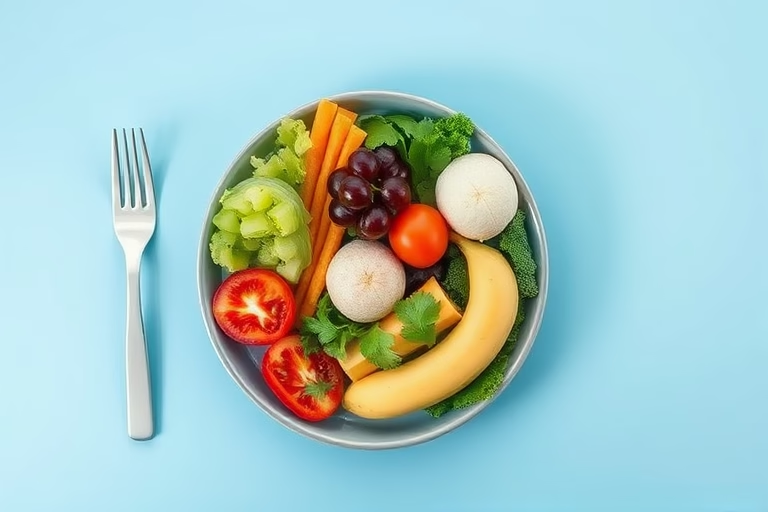
We will be talking about what to eat after IVF transfer. This is a crucial topic for individuals undergoing In Vitro Fertilization (IVF). After the embryo transfer, it is essential to understand that nutrition plays a significant role in enhancing the chances of successful implantation and supporting the early stages of pregnancy. The body requires an adequate supply of nutrients for embryo growth, and certain foods can provide the necessary vitamins, minerals, and energy needed during this vital phase.
In this guide, we will explore what foods are beneficial after an IVF transfer, emphasizing the importance of a balanced diet. We will also discuss common concerns and how the right foods can influence your overall well-being and fertility journey. Below, we will categorize vital nutrients and foods, empowering you to make informed dietary choices during this crucial time.
1. Importance of Nutrition Post-IVF Transfer
Nutrition after an IVF transfer is not just a matter of personal preference; it is fundamental to the success of the procedure. A well-balanced diet not only contributes to the mother’s health but also provides a nurturing environment for the developing embryo. Consuming foods rich in specific nutrients can significantly influence your hormonal balance, energy levels, and overall vitality.
Key nutrients such as folic acid, omega-3 fatty acids, proteins, and antioxidants exist in abundant amounts in certain foods. Combining these nutrients in meals can bolster your body’s ability to sustain a healthy pregnancy. Furthermore, hydration plays a crucial role; maintaining adequate fluid intake facilitates optimal function in metabolic processes. Engaging in a nutrient-dense diet enhances the chances of a successful implantation and fosters improved reproductive health. Hence, understanding which foods to consume is essential for anyone undergoing IVF treatment.
2. Foods Rich in Folic Acid
Folic acid is a type of B vitamin that is vital for cell division and the formation of DNA. After an IVF transfer, incorporating foods high in folic acid can help support the developing embryo. Some excellent sources of folic acid include:
- Leafy greens (spinach, kale)
- Citrus fruits (oranges, grapefruits)
- Legumes (beans, lentils)
- Fortified cereals and whole grains
- Avocado
Eating a diet rich in these foods not only increases your folic acid levels but also provides essential fibers and vitamins necessary during this time.
Green leafy vegetables are particularly advantageous; they are packed with nutrients and can be easily incorporated into salads, smoothies, or cooked dishes. The consumption of fortified grains can also help ensure you are meeting recommended folate intake amounts, which can be particularly protective for fetal development.
3. Healthy Fats and Omega-3 Fatty Acids
Healthy fats, specifically omega-3 fatty acids, are crucial for regulating hormone levels and improving blood flow to the reproductive organs. These fats play a significant role in reducing inflammation and fostering a healthy uterine environment. Some foods abundant in omega-3s include:
- Fatty fish (salmon, mackerel)
- Flaxseeds
- Chia seeds
- Walnuts
- Olive oil
Incorporating these examples into your meals can significantly enhance your intake of essential fatty acids. They are versatile ingredients that can be added to salads, smoothies, or enjoyed as snacks. Regular consumption of omega-3 rich foods may positively impact your IVF outcome.
4. Importance of Protein in Your Diet
A balanced intake of proteins is essential to maintain and repair body tissues, particularly during the early stages of pregnancy. Protein-rich foods ensure that your body functions optimally during this time. Good protein sources include:
- Lean meats (chicken, turkey)
- Fish
- Eggs
- Tofu and other soy products
- Nuts and seeds
Including protein in every meal can keep your energy levels up and help maintain a healthy weight. For individuals undergoing IVF, protein supports the production of hormones that are essential for reproductive health. Aim for variety in your protein sources to ensure you receive a balance of amino acids.
5. Antioxidants for Cellular Health
Antioxidants are compounds that help protect your cells from damage caused by free radicals. During the IVF process, oxidative stress can be a concern, so consuming foods high in antioxidants is beneficial. Foods known for their antioxidant properties include:
- Blueberries
- Dark chocolate
- Nuts
- Red, yellow, and orange fruits and vegetables (carrots, bell peppers, tomatoes)
- Green tea
Incorporating a colorful array of fruits and vegetables into your diet will ensure adequate antioxidant intake. These foods can boost your overall health and prepare your body for the demands of pregnancy, ensuring optimal cellular function.
6. Hydration Matters
Staying hydrated is crucial for overall health and optimal bodily functions. Adequate hydration supports nutrient absorption, helps regulate body temperature, and ensures that your organs function properly. After an IVF transfer, it is vital to maintain proper hydration levels.
Drinking water, herbal teas, and consuming fluid-rich foods like fruits and vegetables are effective strategies. Aim to drink at least eight glasses of water daily, depending on activity level and environment. Additionally, avoiding excessive caffeine and alcohol is advisable, as these can lead to dehydration and negatively impact fertility.
7. The Role of Whole Grains
Whole grains provide essential energy and support digestive health due to their high fiber content. Consuming whole grains can stabilize blood sugar levels and sustain energy levels throughout the day. Some choices include:
- Brown rice
- Quinoa
- Whole grain bread
- Oats
Integrating whole grains into your meals can help maintain steady energy levels and a feeling of fullness, which is essential during IVF. Upgrading your carbohydrate sources to whole grains is beneficial for overall health and may improve fertility outcomes.
8. Avoiding Processed Foods
The consumption of processed foods can pose risks to your health and fertility. These products often contain excessive sugars, unhealthy fats, and a plethora of preservatives. It’s advisable to limit the intake of:
- Fast food
- Sugary snacks
- Refined carbohydrates
- Processed meats
Focusing on whole, unprocessed foods not only enhances nutrient intake but also helps maintain a healthy weight. The avoidance of processed foods can support your body’s healing processes and provide a more balanced environment post-IVF.
9. Supplements to Consider
While focusing on whole foods is essential, certain supplements may benefit those undergoing IVF. Consult with a healthcare supplier to explore potential options such as:
- Folic acid
- Vitamin D
- Omega-3 supplements
- Coenzyme Q10
These supplements can enhance the nutritional profile and support fertility. However, it is essential to approach supplementation with caution and always under professional supervision. A healthcare provider can advise appropriate dosages and compatibility with your existing diet.
10. Listening to Your Body
Paying attention to your body’s signals is crucial during this time. Each person’s dietary needs may differ, so it is essential to listen to how certain foods make you feel. Opt for nourishing items that contribute positively to your overall health. Maintaining a balanced mindset towards food, avoiding stress over dietary choices, and enjoying your meals will promote emotional well-being.
Final Thoughts
Understanding what to eat after an IVF transfer can empower you to make choices that promote your health and the potential for successful implantation. A nutrient-rich diet, abundant in folic acid, healthy fats, proteins, and antioxidants, offers numerous benefits. It is essential to focus on hydration, whole grains, and limiting processed foods while being receptive to your body’s needs.
This process may be filled with challenges, and prioritizing a well-rounded diet can enhance not only your physical well-being but also your emotional health throughout the IVF journey. Successful IVF outcomes depend on a combination of factors, including lifestyle and dietary choices.
Additionally, always consult your healthcare provider regarding any dietary changes you plan to implement post-IVF transfer. Tailoring nutritional strategies to your individual circumstances can make a significant difference in navigating this important phase.
By staying informed and making mindful choices, you set the foundation for not only your health but the health of your future child. Follow this guide to enhance your diet with foods that promote success during this crucial timeline.
Frequently Asked Questions
- What should I eat the day after the IVF transfer?Focus on a nutrient-dense meal that includes proteins, healthy fats, and vegetables. Foods rich in folic acid are especially beneficial.
- Can I eat dairy after the IVF transfer?Moderate consumption of dairy can be beneficial, as it provides calcium and protein. Opt for low-fat options if preferred.
- Is it important to avoid sugar after IVF?Limiting sugar intake is advised, as excess sugar can lead to inflammation and negatively affect hormonal balance.
- Should I take prenatal vitamins after IVF?Yes, prenatal vitamins can provide essential nutrients that support pregnancy, particularly folic acid and iron.
- How much water should I drink after the IVF transfer? Aim for at least eight glasses daily, ensuring you stay properly hydrated during this critical time.
Further Reading
What Type of Psychotherapy Is Best for Anxiety?