





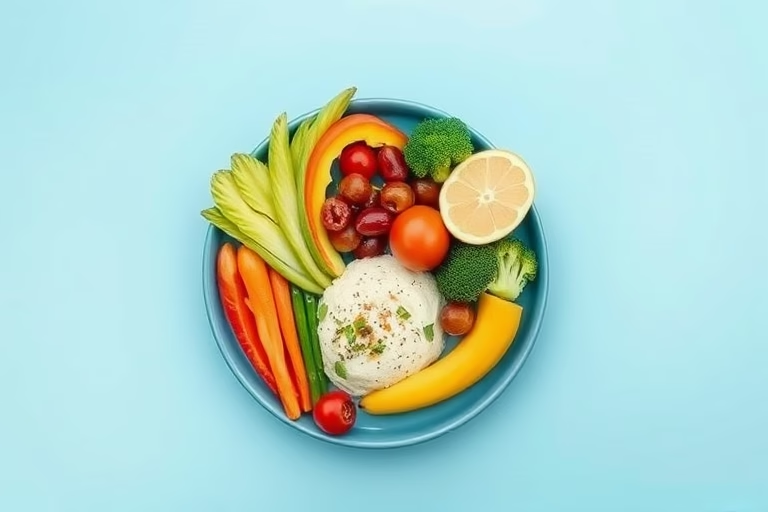
In this article, we will be talking about what to eat during IVF. In vitro fertilization, or IVF, is a process where an egg is fertilized by sperm outside the body. This technique is often used to help individuals or couples conceive a child when natural conception is difficult. Diet plays a crucial role in supporting fertility and overall health during this period. What you eat can impact hormone levels, reproductive functions, and even the success rate of IVF treatment. Therefore, understanding the nutritional needs during this journey is vital.
Your body undergoes significant changes during the IVF process. It is essential to provide it with the right nutrients to optimize the chances of success. A balanced diet consisting of vitamins, minerals, healthy fats, carbohydrates, and proteins can enhance your fertility and improve your overall well-being. Below, we will explore various aspects of nutrition related to IVF, providing insights on what to eat to support your reproductive health.
1. Importance of a Balanced Diet during IVF
A balanced diet is crucial for individuals undergoing IVF. Consuming a variety of foods from all food groups ensures that your body gets the vitamins and minerals it requires to maintain optimal health. Deficiencies in nutrients can disrupt hormone levels and impair reproductive functions, potentially affecting the outcome of IVF.
Essential nutrients such as folate, iron, calcium, and vitamin D have been associated with improved fertility. Foods rich in antioxidants, such as fruits and vegetables, help combat oxidative stress, which can harm reproductive cells. Good sources of protein are vital for hormone production and ovulation, so including lean meats, fish, beans, and nuts in your diet can be beneficial.
In summary, focusing on a well-rounded diet is vital for anyone considering IVF. This means incorporating whole foods and limiting processed items to provide your body with optimal fuel for this significant journey.
2. Foods Rich in Folate
Folate, or vitamin B9, is essential during IVF as it supports cell formation and healthy DNA. Adequate folate intake is associated with improved fertility and decreases the risk of neural tube defects in developing embryos.
To increase your folate intake, consider including the following folate-rich foods in your diet:
- Leafy green vegetables (spinach, kale, and broccoli)
- Citrus fruits (oranges, grapefruits)
- Dried beans and legumes (lentils, chickpeas)
- Fortified cereals and grains
By focusing on these foods, you can ensure adequate folate levels, which can significantly enhance your chances during the IVF process.
3. Antioxidant-Rich Foods
Antioxidants protect your body from oxidative stress, which can harm eggs and sperm. Supporting cellular health is essential for improving fertility.
Incorporating the following antioxidant-rich foods can provide additional benefits:
- Berries (blueberries, strawberries, blackberries)
- Nuts and seeds (almonds, walnuts, sunflower seeds)
- Dark chocolate (in moderation)
- Green tea
Not only do these foods contribute to overall health, but they also enhance reproductive capacity by safeguarding your body’s cells.
4. Healthy Fats and Their Role in Fertility
Fats are essential for hormone production as they contribute to maintaining hormone balance in your body. Including healthy fats is critical when undergoing IVF treatment.
Focus on these healthy fat sources:
- Avocados
- Olive oil
- Fatty fish (salmon, sardines)
- Chia seeds and flaxseeds
Avoid trans fats and excessive saturated fats that can negatively impact ovulation and hormone production. Opting for healthy fats will promote fertility and overall reproductive health.
5. Importance of Whole Grains
Whole grains are a significant source of complex carbohydrates, which provide your body with the necessary energy, particularly during IVF treatment.
Consider incorporating the following whole grains into your diet:
- Quinoa
- Brown rice
- Oats
- Whole wheat bread
These foods offer fiber that helps regulate blood sugar levels, balancing insulin which is essential for reproductive health, and improving your chances of success during IVF.
6. Hydration and Its Impact on Fertility
Staying well-hydrated is crucial during the IVF process. Proper hydration helps maintain healthy bodily functions, including optimal cellular functions and hormone levels.
Water is the best choice for hydration, and you can also increase fluid intake through:
- Herbal teas (chamomile, peppermint)
- Fresh juices (limited in sugar)
- Broths and soups
Adequate hydration can support nutrient transport within your body, ensuring that essential vitamins and minerals are effectively used by your reproductive system.
7. Supplements to Consider
In addition to a balanced diet, certain supplements may help improve fertility during IVF. Consult with your healthcare provider before adding any supplements to your routine.
Common supplements to consider include:
- Folic acid (important for neural development)
- Vitamin D (supports hormonal balance)
- CoQ10 (may enhance egg quality)
Supplements can provide additional insurance for your nutritional needs as you navigate the IVF process.
8. Foods to Avoid during IVF
Just as important as what to eat is what to avoid. Certain foods can adversely affect fertility and should be limited during the IVF process.
Food restrictions include:
- Processed foods high in sugar and unhealthy fats
- Caffeine (limit intake to one cup of coffee per day)
- Alcohol (can adversely affect reproductive health)
- High-mercury fish (swordfish, shark)
Being mindful of what you consume can significantly enhance your chances of a successful IVF outcome.
9. The Role of Protein in IVF Diet
Protein plays an essential role in the production of hormones and the development of eggs and sperm. Including enough protein in your diet can improve fertility outcomes.
Excellent sources of protein include:
- Lean meats (chicken, turkey)
- Fish (preferably low mercury options)
- Legumes (beans, lentils)
- Dairy products (yogurt, cheese, milk)
Balancing animal and plant-based protein sources can supply your body with necessary amino acids for reproductive health.
Final Thoughts
Understanding what to eat during IVF is vital for optimizing fertility and ensuring that your body is well-prepared for this challenging journey. A balanced diet rich in essential nutrients, vitamins, and healthy fats can significantly impact the success of IVF treatments. It is important to focus on foods high in folate, antioxidants, healthy fats, and protein while staying well-hydrated. Along with a nutritious diet, consider the role supplements can play in enhancing fertility and ensure to avoid foods that may hinder reproductive success.
Remember that every individual’s nutritional needs may vary, so consulting with your healthcare provider can provide personalized guidelines. They can help tailor a dietary plan that considers your health status and needs during the IVF process.
Frequently Asked Questions
-
What are the best foods to eat during IVF?
Foods rich in folate, antioxidants, healthy fats, whole grains, and lean proteins are recommended as they support reproductive health.
-
Should I take any supplements during IVF?
Consulting with a healthcare provider is crucial. Common supplements include folic acid, vitamin D, and CoQ10.
-
Are there any foods I should avoid during IVF?
Limit processed foods, caffeine, alcohol, and high-mercury fish to optimize fertility during IVF.
-
How does hydration impact IVF?
Hydration is important for maintaining bodily functions and ensuring the efficient transport of nutrients to support reproductive health.
-
Can diet affect the success of IVF?
A well-balanced diet contributes to overall health and fertility, thus enhancing the likelihood of a successful IVF outcome.
Further Reading
What Type of Psychotherapy Is Best for Anxiety?