Key Takeaways
- Babies typically smile socially around 6 to 8 weeks.
- Smiling is a key developmental milestone.
- Parental interaction can encourage smiling.
- Different types of smiles serve various purposes.
When do babies smile?
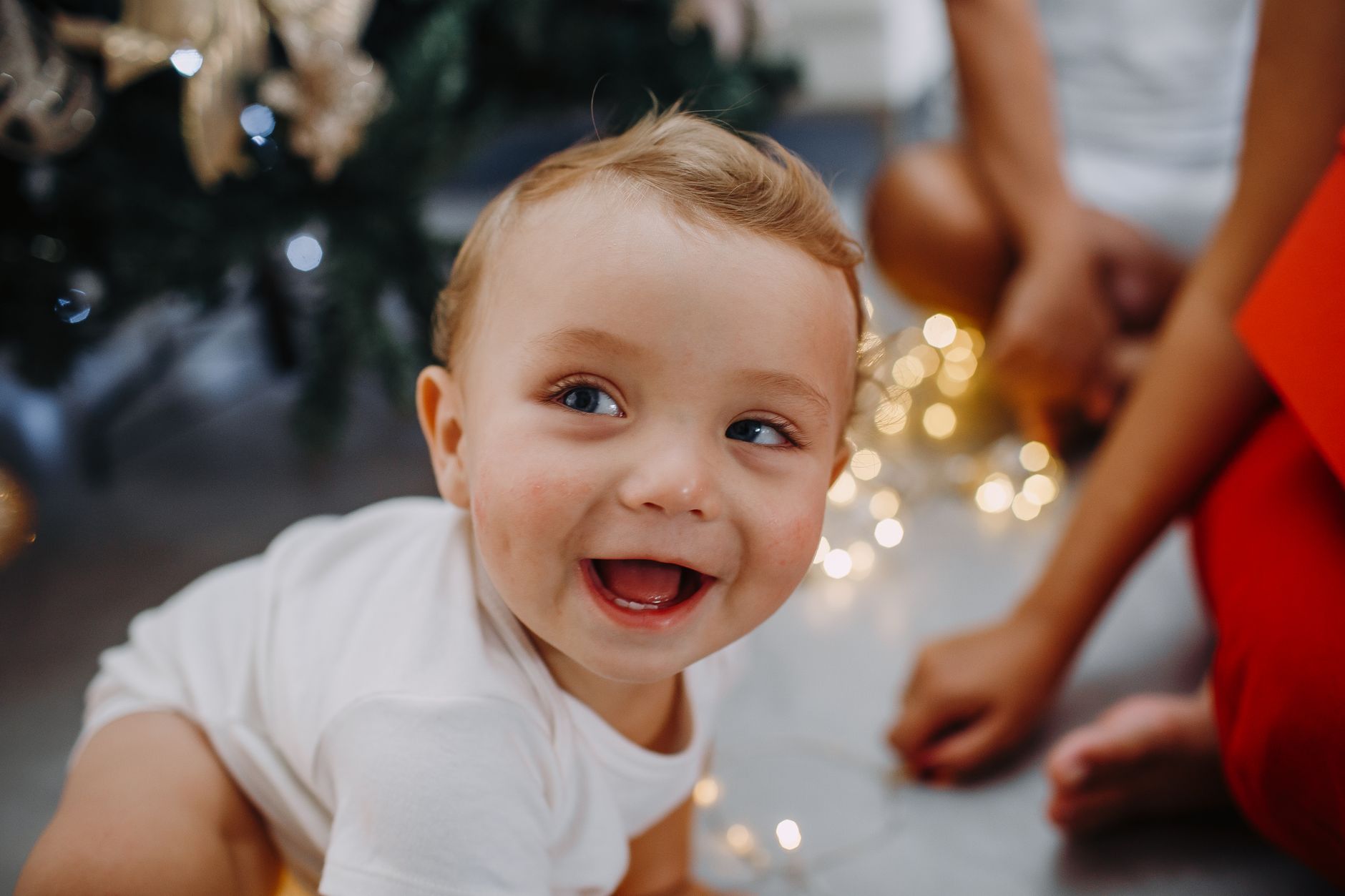
When do babies smile? This is a question many parents and caregivers find themselves asking as they observe their little ones. The first smile is a delightful moment, representing not just a developmental milestone, but also a connection between the baby and their caregivers. Understanding when babies typically start smiling can help parents better appreciate these early moments of joy.
Smiling is one of the first ways that a baby communicates. It’s an essential part of their social development. As babies grow, their smiles evolve from reflexive grins to social smiles, indicating they are beginning to engage with the world around them. In this article, we will explore the timeline of smiling in babies, the different types of smiles, and how caregivers can encourage this joyful expression.
The journey of a baby’s smile is fascinating and varies from child to child. Let’s delve into the stages of smiling, what parents should expect, and how they can foster an environment that encourages these precious early smiles.
The Developmental Timeline of Smiling
The timeline for when babies smile can be broadly understood in a few key phases. Most experts agree that smiling develops in stages:
- Reflexive Smiles: These smiles occur involuntarily, often during sleep, and can begin as early as the first few days of life. They do not indicate social interaction.
- Social Smiles: Typically emerging between 6 to 8 weeks of age, social smiles are intentional and meant to engage others.
- Expressive Smiles: By around 3 to 4 months, babies begin to smile in response to stimuli, such as seeing their parents or hearing a funny sound.
- Varied Smiles: From 6 months onward, smiles can become more varied, including excited smiles, shy smiles, and smiles as a response to play.
Reflexive Smiles
In the very early days, the smiles a baby makes are primarily reflexive. These smiles are not directed at anyone and typically occur during sleep or while the baby is relaxed. Parents may notice these fleeting grins but might find it challenging to interpret them as social communication.
Research suggests that these reflexive smiles are a neurological response rather than a conscious effort to communicate. They serve as a reminder that even in their earliest days, babies are beginning to develop the neurological pathways necessary for social interaction.
Social Smiles
As babies reach 6 to 8 weeks, they usually begin to exhibit social smiles. This is a significant milestone in infant development, as it marks the beginning of their social engagement. Babies start to smile in response to the faces of their caregivers, creating a delightful feedback loop of interaction.
During this stage, it is common for caregivers to notice how their smiles elicit smiles from their babies. This interaction is crucial for bonding, as it helps establish trust and understanding between the baby and their caregivers.
Expressive Smiles
At around 3 to 4 months, babies become more aware of their surroundings and begin to smile in response to stimuli. This could be a playful sound, a funny face, or even the sight of a familiar loved one. This phase is characterized by laughter and a broader range of smiles, indicating that babies are not only responding to their environment but becoming more active participants in social exchanges.
These expressive smiles signify that the baby is learning how to communicate their feelings and respond to others, which is essential for their emotional development. Caregivers are encouraged to engage with their babies, using facial expressions and vocalizations to promote this interaction.
Types of Smiles in Babies
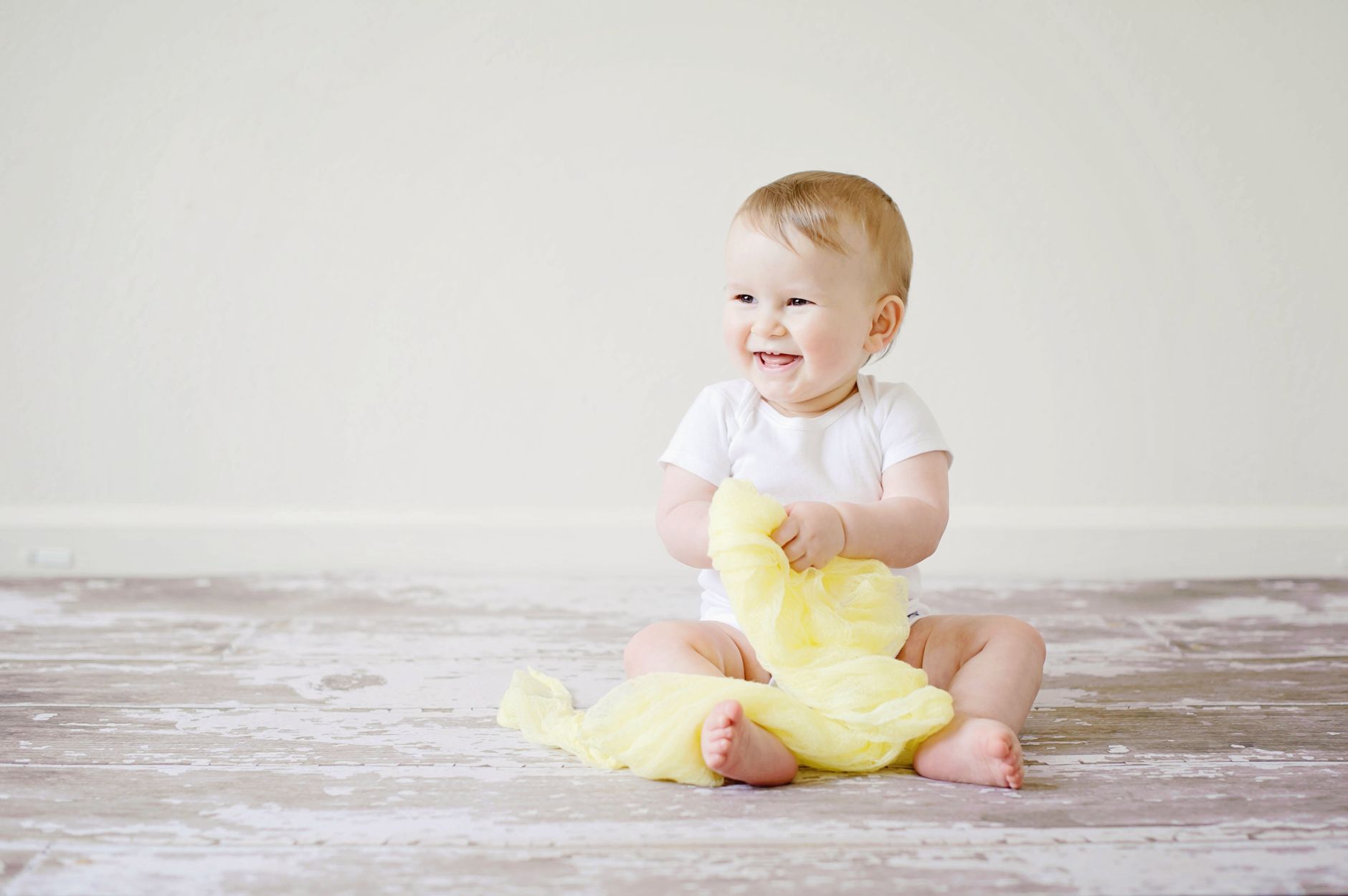
Understanding the different types of smiles babies make can provide insights into their emotional state and development. Here are some common types of smiles you might observe:
- Reflexive Smile: Occurs without any external stimulus and is often seen in newborns.
- Social Smile: Aimed at engaging caregivers; typically appears between 6 to 8 weeks.
- Playful Smile: Often seen during playtime, signaling joy and enjoyment.
- Shy Smile: May occur when a baby is approached by someone unfamiliar, showcasing their developing social awareness.
- Excited Smile: A broad smile that indicates happiness, often seen when babies are excited or happy.
Encouraging Smiling
Parents and caregivers play a crucial role in encouraging their baby’s smiles. Here are some practical tips to help foster these joyful moments:
- Engage in Eye Contact: Making eye contact with your baby creates a connection and encourages them to respond with a smile.
- Use Facial Expressions: Exaggerated facial expressions can capture your baby’s attention and prompt them to smile back.
- Play Peek-a-Boo: This classic game helps stimulate social interaction and can lead to spontaneous smiles.
When to Be Concerned
While many babies will be smiling by 6 to 8 weeks, some may take longer to reach this milestone. Each baby develops at their own pace, but it’s essential to monitor their overall development. Caregivers should keep an eye out for the following:
- If a baby does not smile by 3 months, it may be worth discussing with a pediatrician.
- Look for other signs of social engagement, such as eye contact and response to voices.
- Consider the overall environment and whether the baby feels safe and secure.
The Importance of Smiling in Development
Smiling plays a vital role in a baby’s emotional and social development. It serves not only as a communication tool but also as a precursor to more complex emotional expressions. Here are some reasons why smiling is important:
- Bonding: Smiling fosters attachment between the baby and caregivers, strengthening emotional bonds.
- Social Skills: Early smiles help babies learn how to interact with others, laying the groundwork for future social skills.
- Emotional Health: Positive interactions through smiling can promote emotional well-being, leading to happier outcomes as they grow.
Impact on Caregivers
The act of a baby smiling can have profound effects on caregivers as well. Research indicates that a baby’s smile can trigger positive emotions in adults, leading to increased feelings of joy and satisfaction. When caregivers respond positively to their baby’s smiles, it reinforces the bond between them and encourages further social interaction.
Additionally, these joyful exchanges can help reduce stress for caregivers, creating a more nurturing environment for both the baby and the parent. It’s a beautiful cycle of joy and connection that benefits everyone involved.
Understanding the Role of Social Interaction in Smiling
How Caregiver Responses Influence Smiling
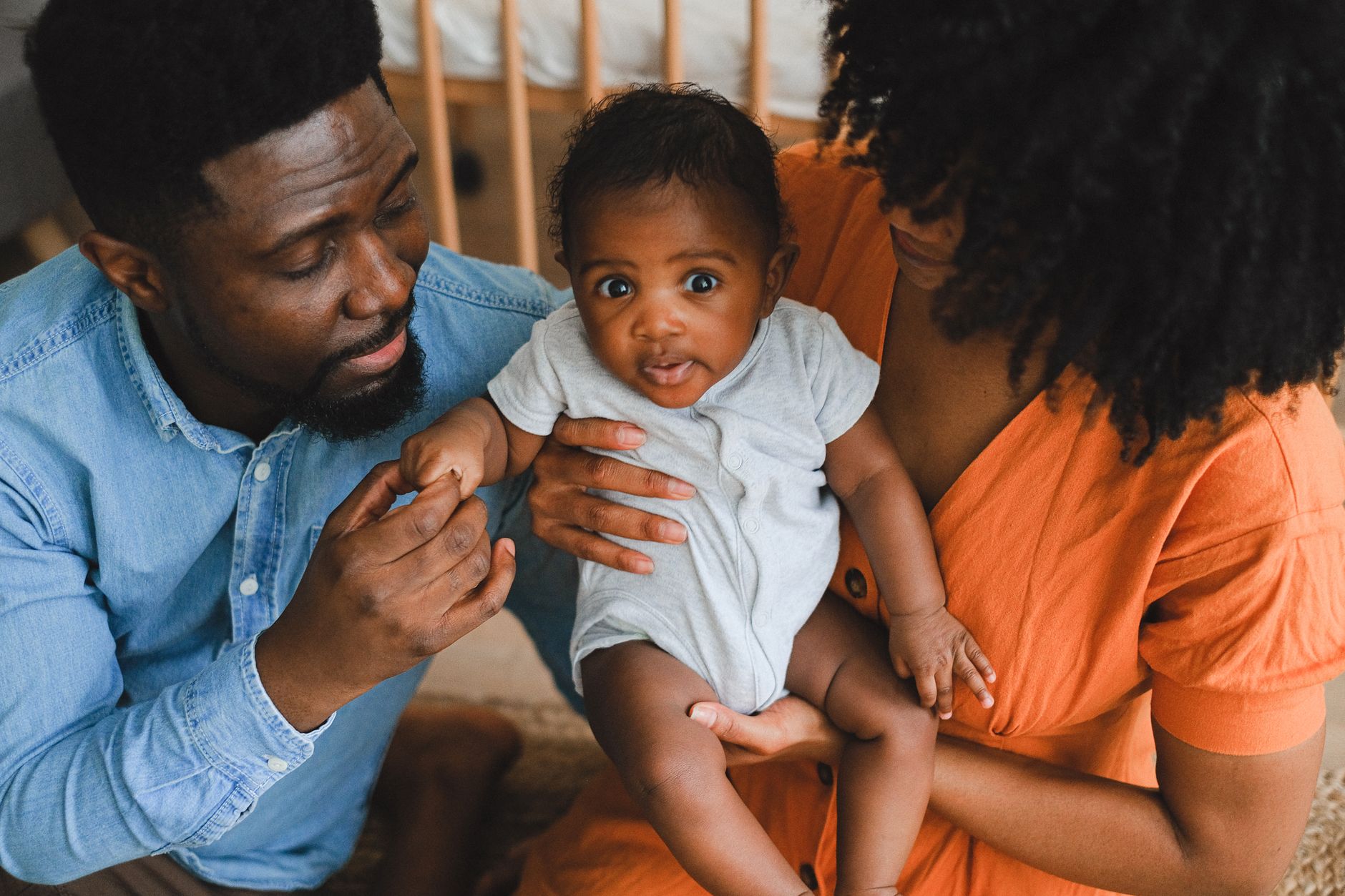
From the moment a baby is born, they are keenly aware of their surroundings, especially the faces of their caregivers. Research shows that when caregivers respond positively to a baby’s early attempts at communication, such as cooing or smiling, it reinforces the baby’s social behaviors. A smile from a caregiver often elicits a smile from the baby in return, creating a feedback loop that is crucial for social development.
Positive reinforcement can come in various forms:
- Verbal encouragement, such as saying “good job” when the baby smiles.
- Physical affection, like hugs or gentle touches, that provide comfort and safety.
- Engaging in eye contact, which helps babies feel seen and valued.
This interaction not only encourages smiling but also promotes emotional bonding and attachment between the caregiver and the baby. As babies grow, they learn to mimic these social cues, further enhancing their emotional intelligence and social skills.
The Impact of Environmental Factors on Smiling
A baby’s environment plays a significant role in their emotional expression, including smiling. Factors such as the level of stimulation, the emotional state of caregivers, and the overall atmosphere can all influence when and how often a baby smiles. A calm and nurturing environment tends to promote more frequent smiling, while stressors in the environment may inhibit it.
Some environmental factors that can affect a baby’s ability to smile include:
- Noisy or chaotic surroundings that could overwhelm the baby.
- Presence of familiar faces versus strangers, which can change a baby’s comfort level.
- The overall mood of the caregivers; a stressed or unhappy caregiver can impact the baby’s emotional state.
Creating a stable, loving environment where babies feel secure is essential to encourage them to express happiness through smiles.
How Different Cultures Influence Smiling in Infants
Smiling is a universal expression of joy, but cultural interpretations of smiling vary greatly. In some cultures, smiling is encouraged as a form of communication from an early age, while in others, it may be less emphasized. Understanding these cultural differences can provide insight into the developmental milestones of smiling in infants.
Some cultural considerations include:
- In collectivist cultures, babies may be encouraged to smile in group settings to promote social harmony.
- In more individualistic cultures, babies might be celebrated for their individual expressions, including smiling.
- The contexts in which smiling is encouraged can differ; some cultures may prioritize smiling in social settings, while others may focus on family interactions.
By recognizing these cultural nuances, caregivers can better understand their baby’s social cues and foster an environment where smiling is appreciated and encouraged.
Recognizing Abnormal Patterns of Smiling
When Smiling May Indicate Concerns
While smiling is a typical aspect of infant development, there can be instances where a baby’s smiling behavior may raise concerns. Understanding the context and patterns of smiling can help caregivers identify potential developmental issues. For example, if a baby rarely smiles or shows little interest in social interactions, it may warrant further evaluation.
Some signs that might indicate a need for concern include:
- Consistently avoiding eye contact with caregivers or peers.
- Limited facial expressions beyond smiling, suggesting a lack of emotional range.
- Inability to engage with others, such as not responding to smiles or laughter.
If caregivers notice these signs, consulting with a pediatrician or child development specialist can provide insights and resources for further assessment and support.
Developmental Disorders and Smiling
Certain developmental disorders can affect an infant’s ability to smile and engage socially. Conditions such as autism spectrum disorder (ASD) may present challenges in social communication, including difficulties in expressing emotions through facial expressions like smiling. Early identification and intervention are crucial for supporting children with developmental delays.
Recognizing the following signs in conjunction with smiling can help in understanding potential developmental issues:
- Delayed milestones in other areas of development, such as crawling or talking.
- Limited interest in social games or interactive play.
- Difficulty in understanding or using gestures, such as waving or pointing.
By being aware of these signs, caregivers can seek timely evaluations and interventions that can significantly improve outcomes for their children.
Seeking Professional Guidance
If caregivers have concerns about their baby’s smiling patterns, it is essential to reach out for professional guidance. Pediatricians can provide developmental screenings and refer families to specialists if needed. Early intervention programs can offer tailored support to address specific needs and promote healthy emotional and social development.
When seeking professional help, caregivers should consider:
- Documenting instances of unusual smiling behavior, noting frequency and context.
- Discussing any other developmental concerns during routine check-ups.
- Being open to recommendations for parenting resources or support groups.
Professional guidance can help alleviate concerns and ensure babies receive the support they need for healthy emotional development.
Encouraging Smiling Through Play and Interaction
Types of Play that Promote Smiling
Play is a fundamental way for babies to explore their environment, and it plays a crucial role in encouraging smiles. Engaging in different types of play can stimulate a baby’s senses and encourage social interactions, leading to more frequent smiling. Here are some types of play that can promote smiling:
- Face-to-face interactions, such as peek-a-boo, which often elicit laughter and smiles.
- Interactive toys that make sounds or light up, capturing the baby’s attention and sparking joy.
- Physical play, such as gentle tickling or bouncing, which can result in giggles and smiles.
By incorporating varied play activities into daily routines, caregivers can create joyful experiences that encourage babies to express happiness through smiling.
The Importance of Responsive Parenting in Play
Responsive parenting, which involves being attuned to a baby’s needs and cues, significantly impacts a baby’s emotional development and their propensity to smile. When caregivers respond to a baby’s signals, such as a coo or a smile, it reinforces the baby’s behavior, encouraging them to continue expressing themselves. This back-and-forth interaction is essential for developing trust and emotional security.
Strategies for encouraging responsive parenting during play include:
- Listening to and observing the baby’s cues to determine their preferences for play.
- Engaging in activities that the baby shows interest in, such as singing their favorite songs.
- Providing a mix of structured and unstructured playtime to keep the baby engaged.
Responsive interactions during play not only promote smiling but also foster a deeper emotional connection between caregivers and babies.
Creating a Smiling-Friendly Environment
To encourage smiling, it’s essential to create a welcoming and stimulating environment. A baby’s surroundings can influence their mood and willingness to engage socially. Simple changes can enhance a baby’s environment and promote positive emotional expressions like smiling.
Consider the following tips for creating a smiling-friendly environment:
- Maintain a calm atmosphere with soft lighting and minimal distractions.
- Incorporate colorful toys and decorations that catch the baby’s eye.
- Encourage family interactions by involving siblings or extended family members in playtime.
By fostering a vibrant and nurturing environment, caregivers can significantly enhance their baby’s emotional expression, leading to more frequent smiles.
Frequently Asked Questions
What if my baby doesn’t smile by 3 months?
If your baby has not started smiling by 3 months, it might be a good idea to consult your pediatrician. They can assess your baby’s overall development and provide guidance.
Is it normal for my baby to smile in their sleep?
Yes, it is normal for babies to smile in their sleep. These reflexive smiles are common and are not necessarily a sign of social engagement.
How can I tell if my baby is happy?
Aside from smiling, signs of a happy baby may include cooing, laughing, and showing interest in their surroundings. Responsive interactions, such as making eye contact and reaching out, also indicate happiness.
Can I encourage my baby to smile more?
Yes, you can encourage your baby to smile by engaging in playful activities, making silly faces, and providing plenty of positive interactions. Consistent engagement and creating a loving environment can promote smiling.
The Bottom Line
When do babies smile? Most babies begin to smile socially around 6 to 8 weeks of age, marking a significant step in their emotional and social development. Understanding the various types of smiles, the importance of smiling in development, and how to encourage these joyful moments can help parents and caregivers enrich their relationship with their baby. If you have concerns about your baby’s development, consult a healthcare professional for personalized advice.
Note: This article is for general information only and is not medical advice. See a qualified health professional about your own situation.