





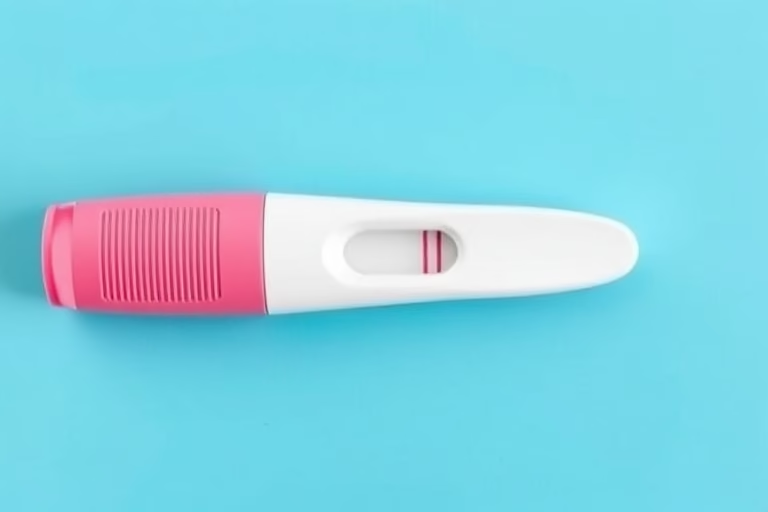
Understanding Implantation Bleeding
Implantation bleeding is a light spotting that occurs when a fertilized egg attaches to the lining of the uterus. This usually happens about six to twelve days after conception, often coinciding with the time a woman may expect her period. Many women may confuse this event with early menstruation. Implantation bleeding is typically lighter in color and flow than a normal period, and it can sometimes last for a few hours to a couple of days.
The significance of implantation bleeding lies in the timing; it can be one of the earliest signs of pregnancy. Understanding this process plays a crucial role in determining the right time to take a pregnancy test. If a woman experiences light spotting and suspects she might be pregnant, knowing when to test for pregnancy after implantation bleeding can help yield accurate results.
When Does Implantation Bleeding Occur?
Implantation bleeding typically occurs 6 to 12 days after conception, which aligns with the period of implantation—the time when a fertilized egg settles into the uterine lining. This period varies for each woman, depending on her menstrual cycle and individual biology.
The release of hormones associated with pregnancy, like human chorionic gonadotropin (hCG), begins shortly after implantation. The timing of this hormone release is critical, as it is the hormone that pregnancy tests detect.
Women may experience implantation bleeding at different times; the variability in timing emphasizes the importance of understanding one’s cycle and symptoms. Therefore, tracking specific dates can be helpful for women wishing to conceive.
Signs to Differentiate from a Period
One main challenge women face is distinguishing implantation bleeding from a regular menstrual period. Recognizing the signs can ease confusion and aid in knowing when to test for pregnancy after implantation bleeding.
Key differences include:
Timing for Pregnancy Tests
Knowing when to test for pregnancy after implantation bleeding is vital for accurate results. It is generally recommended to wait a few days after experiencing implantation symptoms before taking a pregnancy test.
Most tests are designed to detect hCG levels in urine, which become elevated after implantation. Testing too early can yield a false negative result since hCG levels may not be high enough to detect.
For optimal accuracy, it is advised to wait at least a week after the missed period, as this allows the hCG levels to sufficiently rise. However, if symptoms of pregnancy are strong, testing about two to three days after experiencing implantation bleeding may provide reliable results.
Understanding hCG and Its Role
Human chorionic gonadotropin (hCG) is crucial in pregnancy detection. After implantation bleeding, hCG begins to circulate, marking the pregnancy’s onset. Understanding its significance helps in determining when to test for pregnancy.
hCG is a hormone produced by the cells formed in the placenta. Test sensitivity can vary; the earlier a test is taken, the more sensitive it needs to be to detect lower levels of hCG. Many over-the-counter pregnancy tests can detect hCG levels as low as 20 mIU/ml, but the most reliable results occur when levels reach 100-200 mIU/ml, typically a week after a missed period.
Patience is key when pregnant; waiting longer for testing increases accuracy and provides reassurance, preventing emotional distress from false negatives.
Types of Pregnancy Tests Available
Various pregnancy tests are available to determine pregnancy status. Understanding these options helps women choose an appropriate test based on their situation.
The main types are:
Leveraging the right test in a timely manner ensures that women can confirm their pregnancy status accurately.
What to Do After Testing Positive
If a test indicates a positive pregnancy result, the next steps involve confirming the pregnancy and scheduling a consultation with a healthcare provider. This is essential for proper prenatal care.
During this time, women should focus on habits that support a healthy pregnancy:
Being proactive post-positivity helps ensure both the mother and baby thrive.
When to Seek Medical Help
Certain situations warrant immediate medical attention following a positive pregnancy test or when experiencing implantation bleeding. Understanding when to seek help is essential for maintaining health.
Consult a healthcare provider if:
Women should always trust their instincts; if they feel something is wrong, consulting a professional ensures peace of mind.
Final Thoughts
Knowing when to test for pregnancy after implantation bleeding is crucial for women who are trying to conceive or suspect they may be pregnant. Understanding the timing, the differing signs from a regular period, and how hCG plays a role in pregnancy testing provide clarity during these crucial moments.
It is essential to approach this period with both patience and knowledge because testing too early can lead to false negatives, causing unnecessary emotional strain. Adhering to recommended timelines, recognizing symptoms, and preparing for next steps promotes a healthier, smoother experience.
Overall, focusing on positive and healthy habits after a positive pregnancy result enhances the well-being of both mother and child.
Frequently Asked Questions
1. What is the best time to test for pregnancy after implantation bleeding?
The best time to test is about a week after the expected period, or 2 to 3 days after spotting to yield accurate results.
2. How long does implantation bleeding last?
Implantation bleeding typically lasts a few hours to a couple of days.
3. Can I get a negative pregnancy test if I am pregnant?
Yes, testing too early can lead to false negative results if hCG levels are not high enough for detection.
4. Is implantation bleeding a sign of pregnancy?
Yes, implantation bleeding can be one of the earliest signs of pregnancy, though not all women experience it.
5. Should I call a doctor if I experience implantation bleeding?
While implantation bleeding is normal, contact a healthcare professional if bleeding is heavy or accompanied by severe pain.
Further Reading
What Type of Psychotherapy Is Best for Anxiety?