





Understanding Implantation Bleeding
Implantation bleeding is a light spotting that can occur when a fertilized egg attaches itself to the lining of the uterus. This process usually happens around six to twelve days post-fertilization, coinciding with the early stages of pregnancy. Unlike menstrual bleeding, which is typically heavier and more uniform, implantation bleeding is much lighter and can be pinkish or brownish in color. Recognizing this key sign can create uncertainty for many expecting mothers about when is the right time to test for pregnancy.
The timing of the test is crucial, as taking a pregnancy test too early may give a false negative result. Many women may experience implantation bleeding and then wonder how long they should wait before testing for pregnancy. A clear understanding of these timelines can help in making informed decisions and preparations for potential motherhood.
When Does Implantation Bleeding Occur?
Implantation bleeding typically occurs between days 6 to 12 after conception. During this time, the fertilized egg, now called a blastocyst, travels into the uterus and starts to embed itself into the uterine wall. For many women, this is around the time their menstrual cycle would normally start, which can lead to confusion as they may not realize they are pregnant.
Recognizing the signs of implantation bleeding is crucial for women who are trying to conceive or are unsure about their pregnancy status. Some of the signs include:
- Light pink or brown spotting
- Only lasts a few hours to a few days
- May coincide with slight cramping
- Not accompanied by heavy bleeding or clotting
Being aware of these signs helps in the overall understanding of one’s reproductive health.
Timing Your Pregnancy Test
After experiencing implantation bleeding, many women may wonder when the best time is to take a pregnancy test. It is generally advised to wait at least a few days after the bleeding has stopped. The reason is that pregnancy tests work by detecting the hormone hCG (human chorionic gonadotropin) in your urine, which takes time to build up after implantation.
Pregnancy tests can yield more accurate results if taken at the right time. The ideal window to consider is around a week after the missed period or approximately two weeks after implantation bleeding. Testing too early can result in a false negative:
- Test as early as 5 days before your missed period for early detection tests
- Wait a week after your missed period for traditional tests for best accuracy
Timing impacts the likelihood of receiving an accurate result and is a vital part of the process for confirming a pregnancy.
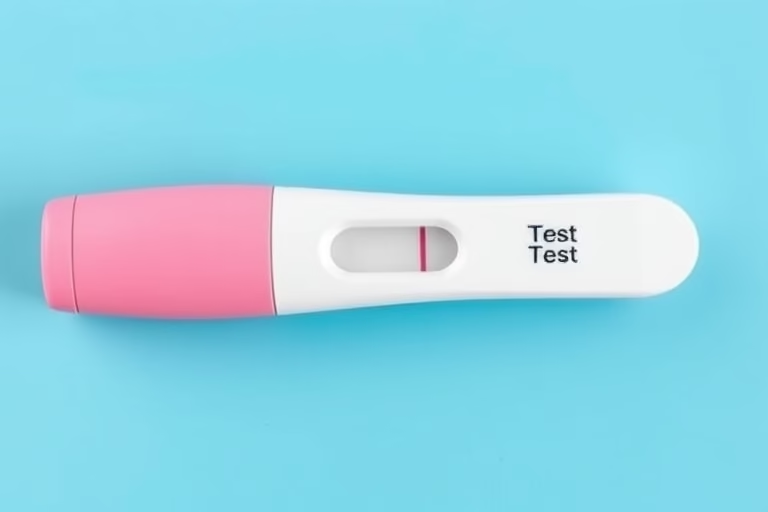
How to Interpret Your Pregnancy Test Results
Understanding the results of your pregnancy test is critical once you have decided to take it. Generally, pregnancy tests come with a set of instructions outlining how to read the results. Here are key points to consider:
- A single line typically indicates a negative result
- Two lines usually indicate a positive result
- Some tests may have a digital display showing either ‘Pregnant’ or ‘Not Pregnant’
If the test shows positive results, consider confirming with a healthcare professional. If the test shows negative, but you are still experiencing signs of pregnancy, retest in 48 hours. The levels of hCG can increase rapidly in the early stages of pregnancy, making it possible to confirm pregnancy even after a negative result.
Common Myths About Implantation Bleeding
There are many misconceptions surrounding implantation bleeding. Misunderstanding these can lead to misplaced expectations and anxiety:
- Myth: Implantation bleeding is always bright red. Reality: It can be pinkish, brownish, or even colorless.
- Myth: All women experience implantation bleeding. Reality: Not all women have noticeable spotting.
- Myth: You should experience significant cramping. Reality: Mild cramping may occur, but it is often non-existent.
Understanding these myths ensures clearer thinking about pregnancy and reduces unnecessary worry among women who are trying to conceive.
When to Seek Medical Attention
If you suspect you’re pregnant and experience unusual bleeding, it’s essential to consult your healthcare provider. Particularly, if you have the following symptoms:
- Severe abdominal or pelvic pain
- Heavy bleeding that requires a pad within an hour
- Dark red blood or clotting
- Signs of pregnancy with an overall feeling of unwellness
Early intervention is crucial for successful pregnancy management and addressing any potential complications.
Final Thoughts
The journey to confirmation of pregnancy can be filled with uncertainty, confusion, and emotion. Understanding the signs and timing related to implantation bleeding is crucial. Knowing when to take a pregnancy test and how to interpret those results empowers women to navigate their reproductive health with confidence.
As a reminder, several factors can affect pregnancy test accuracy, including hormone levels, timing of the test, and individual body chemistry. To increase the likelihood of getting correct results, it’s essential to remain patient and informed throughout the process.
Continuously take note of your body’s signs, but also be sure to seek professional advice when in doubt. Early communication with a healthcare provider can provide further clarity and reassurance during this significant phase in life.
Frequently Asked Questions
1. Can implantation bleeding be mistaken for a period?
Yes, some women may mistake implantation bleeding for a light period since it can occur around the time of their expected period. However, implantation bleeding is usually lighter in flow and lasts for a shorter duration.
2. Is it safe to take a pregnancy test immediately after implantation bleeding?
It is advisable to wait a few days after implantation bleeding has stopped for the best accuracy in pregnancy testing.
3. How long does implantation bleeding last?
Implantation bleeding can last from a few hours to up to three days, often resolved within one day.
4. What does implantation bleeding look like?
Implantation bleeding typically presents as light pink or brown discharge, unlike the bright red of menstrual bleeding.
5. When should I call my doctor if I experience bleeding?
If the bleeding is accompanied by severe pain or discomfort, consultation with your healthcare provider is essential.
Further Reading
What Type of Psychotherapy Is Best for Anxiety?