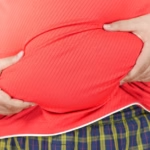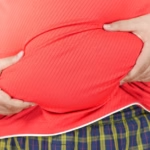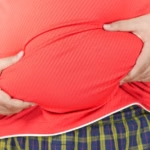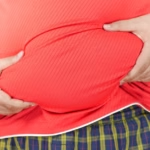
why am i gaining weight can feel scary, frustrating, or confusing, especially when your habits seem the same. The scale can rise for many reasons. Some changes are body fat, but others are water, food moving through your gut, constipation, muscle, or normal hormone shifts. A salty meal, a menstrual period, hard exercise, or a long day sitting down can change the number for a short time.
Weight is also shaped by sleep, stress, daily movement, age, medicines, pregnancy, health conditions, and access to food. It is not a measure of effort or worth. A quick jump over a few days is usually not several pounds of body fat. Still, fast gain with swelling or trouble breathing needs medical care.
Look for a pattern instead of judging one weigh-in. Check your weight at the same time, such as morning after the bathroom. Write down new medicines, symptoms, periods, sleep, food changes, and activity changes. This guide explains common causes, safe next steps, and signs that mean you should call a clinician. It cannot diagnose you, but it can help you prepare for a useful conversation with a health professional who knows your history and needs and can help safely today.
Key Takeaways
| Takeaway | What it can mean |
|---|---|
| Scale changes are not always fat gain. | When asking “why am i gaining weight,” think about water, food in the gut, muscle, and body fat. |
| Fast changes need attention. | If you wonder “why am i gaining weight” after only a few days, check for swelling, breathing trouble, or a new medicine. |
| Patterns matter more than one number. | Weigh under similar conditions and track changes over several weeks. |
| Do not stop medicine on your own. | A prescriber can review medicines that may affect appetite or fluid levels. |
Quick Answer: Many Things Can Change Your Weight
If you are asking why am i gaining weight, the answer may be more than calories alone. Body weight includes fat, muscle, water, and food still moving through the digestive system. It can also change with sleep, stress, activity, age, pregnancy, medicines, and some health conditions.
A scale cannot tell you exactly what changed. For example, a large salty meal may make your body hold extra water. Constipation can add weight until you have a bowel movement. Starting strength training can build muscle and increase water stored in muscles. These changes are different from a gradual rise in body fat.
Try not to judge your health or your effort from one number. Weight changes are common, and they are not a personal failure.
Why am i gaining weight: Fat, Fluid, or Food?
A quick rise on the scale is often not a large gain in body fat. Making body fat usually takes an ongoing pattern of taking in more energy than your body uses. This often happens over weeks or months, not overnight.
Water weight and swelling
Water weight happens when your body holds more fluid than usual. This may happen after salty foods, long car rides, air travel, sitting for many hours, or a menstrual cycle. Rings may feel tight. Socks may leave marks. Your face, hands, feet, or ankles may look puffy.
When you ask why am i gaining weight after a weekend or a restaurant meal, water retention may be part of the answer. Drink water as you normally would, return to regular meals, and watch the pattern for a few days. Do not try to “flush” water with detox drinks, laxatives, or extreme exercise.
Constipation can also raise scale weight for a short time. Fiber-rich foods, fluids, gentle movement, and regular meals may help. Speak with a clinician if constipation is severe, lasts a long time, or comes with pain, vomiting, or blood in stool.
Muscle and exercise changes
New strength training can add lean muscle over time. Hard workouts can also make muscles store more glycogen. Glycogen is stored fuel, and it holds water with it. This can raise scale weight even when body fat is not increasing.
Creatine is a common supplement that can increase water stored inside muscle. This can raise the number on the scale. It does not always mean fat gain. Read more in Does Creatine Make You Gain Weight?.
Why am i gaining weight After a Routine Change?
Small daily changes can add up. A new desk job, injury, pain, caregiving duties, school, or a busy schedule may mean less walking and less movement. This can happen without you noticing.
Food routines can change too. Larger portions, more takeout meals, sweet drinks, alcohol, frequent snacks, and highly processed foods can make it easier to eat more than your body needs. This is not about being perfect. It is about seeing what changed and choosing small steps you can keep doing.
Sleep can affect appetite and routines
Not getting enough sleep can make regular eating and activity harder. You may feel too tired to cook, move, or plan meals. You may also feel hungrier or want quick foods more often. If tiredness is a big part of the picture, see Why Am I Always Tired?.
Loud snoring, pauses in breathing during sleep, morning headaches, and strong daytime sleepiness can be signs of sleep apnea. Sleep apnea means breathing stops and starts during sleep. A clinician can check for it and discuss treatment.
Stress can change eating and movement
Stress can affect sleep, appetite, eating habits, and activity. Some people eat less during stress. Others snack more or eat for comfort. Stress does not prove that you have a hormone problem. It is one possible part of a larger picture.
Simple support can help. Try regular meal times, short walks, a calming bedtime routine, and talking with someone you trust. A counselor or mental health professional can also help if stress feels too hard to manage.
Why am i gaining weight With Hormone or Health Changes?
Hormones can affect weight, but symptoms alone cannot show the cause. A clinician may ask about your periods, pregnancy chance, sleep, mood, medicines, eating habits, and family health history. They may also order blood tests when needed.
Pregnancy, puberty, and menopause
Pregnancy is a common reason for weight gain in people who can become pregnant. Take a home pregnancy test after a missed period or when pregnancy is possible. Contact an obstetric clinician for guidance.
Puberty, recovery from illness, and menopause can also change body shape and weight. With age, people may lose muscle and move less, so their bodies may need less energy. Menopause can also shift fat toward the belly area. Healthy habits still matter, but quick-fix products do not solve these changes.
Fertility treatment can affect the body and emotions. You can learn more from Weight Gain During IVF and Does IVF Make You Gain Weight?.
Thyroid problems
An underactive thyroid is called hypothyroidism. It can lead to modest weight gain in some people. Other signs may include feeling very tired, feeling cold, constipation, dry skin, hair thinning, a slow heart rate, or heavy or irregular periods.
Hypothyroidism is not the cause of all weight gain. A clinician needs to review symptoms and use blood tests to diagnose it. Do not start thyroid products sold online without medical advice.
PCOS
Polycystic ovary syndrome, or PCOS, can be linked with weight changes or trouble losing weight. Signs may include irregular or missing periods, acne, extra facial or body hair, and scalp hair thinning. PCOS needs personal medical assessment because symptoms can have other causes.
For more information about this topic and fertility, read IVF and PCOS.
Rare or serious health conditions
Some health conditions can cause fluid buildup. Heart, kidney, or liver problems may lead to fast weight gain with swelling in the feet, legs, belly, hands, or face. They may also cause shortness of breath or less urination.
Cushing syndrome is rare. It may cause more weight around the trunk, face, and upper back. Other signs can include easy bruising, purple stretch marks, muscle weakness, high blood pressure, or high blood sugar. Only a clinician can test for this condition.
Could Medicines or Supplements Be Involved?
Why am i gaining weight after starting a new medicine? Some medicines can increase appetite, change how the body uses energy, or cause fluid retention. Examples include corticosteroids, some antidepressants, antipsychotic medicines, anti-seizure medicines, diabetes medicines, hormone treatments, and some blood pressure medicines.
Never stop, skip, or change a prescription medicine without speaking with the prescriber. Stopping suddenly can be dangerous. Ask whether the medicine may affect weight, whether other choices exist, and what monitoring may help.
Bring all medicines and supplements to your visit. This includes over-the-counter pills, injections, powders, teas, and vitamins. “Natural” products can still cause side effects or interact with medicines.
When Sudden Weight Gain Is a Warning Sign
Get urgent medical care now for rapid unexplained weight gain with shortness of breath, chest pain, fainting, new confusion, severe weakness, or major swelling of the legs, belly, or face. These symptoms can point to a serious fluid problem.
Contact a clinician promptly if you have rapid weight gain over days, swelling that does not improve, reduced urination, worsening tiredness, or unexplained belly swelling.
Take a pregnancy test and contact an obstetric clinician if pregnancy is possible. Seek urgent care for severe belly pain, heavy bleeding, dizziness, or pain on one side of the pelvis.
Get urgent mental health support or emergency help for thoughts of self-harm, purging, severe food restriction, or other dangerous eating behaviors. Binge eating, guilt after eating, and repeated strict dieting cycles also deserve kind, professional support.
Practical Steps That Can Help
Why am i gaining weight is often easier to answer when you track a trend. Weigh yourself under similar conditions, such as in the morning after using the bathroom and before eating. A weekly pattern is more useful than one daily number.
- Write down when the change started.
- Note new medicines, supplements, injuries, and major life changes.
- Track swelling, bowel changes, sleep, stress, and menstrual timing.
- Choose regular meals with fruits or vegetables, protein foods, and fiber-rich carbohydrates.
- Cut back on sugary drinks and excess alcohol if they are part of your routine.
- Move in ways that fit your body and health, such as walking, gentle cycling, or strength work.
- Protect sleep with a regular bedtime when possible.
Avoid crash diets, detoxes, unregulated weight-loss supplements, and extreme exercise plans. These can be unsafe and are hard to keep up. They can also worsen an eating disorder or affect people who are pregnant, managing illness, or taking medicines.
Some people may benefit from weight-loss medicines or bariatric procedures. These options need a full medical review. A clinician will consider your health history, pregnancy plans, medicines, risks, benefits, and need for long-term follow-up.
Questions to Ask at a Medical Visit
Make a routine appointment for ongoing or distressing weight gain that has no clear cause. Bring your notes. They can help your clinician see patterns.
- Could my medicine be affecting appetite or fluid levels?
- Do my symptoms suggest a thyroid, sleep, or hormone check?
- Could swelling be causing part of the change?
- Should I have a pregnancy test?
- Would blood pressure, blood sugar, or other tests help?
- Can you help me find support for sleep, mood, stress, or eating concerns?
Common Questions
Can stress cause weight gain?
Stress can affect sleep, appetite, food choices, and activity. It may play a part in weight changes, but it is not proof of a cortisol or hormone disorder. Look at the full pattern and seek care if stress, anxiety, or low mood is lasting.
Can hypothyroidism cause weight gain?
Yes, hypothyroidism can contribute to weight gain, often along with tiredness, cold feelings, constipation, dry skin, or hair changes. It usually explains only part of a weight change. Blood testing is needed for diagnosis.
Why does the scale rise when I exercise?
New exercise, especially strength training, can increase muscle and the water stored in muscle. Sore muscles can also hold extra fluid for a short time. Watch how your clothes fit, how strong you feel, and longer-term trends.
Can creatine increase scale weight?
Yes. Creatine can increase water in muscle cells. This may raise scale weight without meaning body-fat gain. Ask a clinician or pharmacist before using a supplement if you have kidney disease, are pregnant, or take regular medicines.
Conclusion
Why am i gaining weight may have a simple cause, such as water retention, constipation, less movement, a new routine, or muscle gain. It can also be linked with pregnancy, medicines, sleep problems, or health conditions. Focus on steady patterns, not shame or quick fixes. If the change is fast, unexplained, or comes with swelling, breathing trouble, severe fatigue, or other concerning symptoms, contact a health professional.
Sources
- National Institute of Diabetes and Digestive and Kidney Diseases (NIDDK) — Factors Affecting Weight & Health: https://www.niddk.nih.gov/health-information/weight-management/adult-overweight-obesity/factors-affecting-weight-health
- MedlinePlus — Weight Gain: https://medlineplus.gov/ency/article/003084.htm
- Mayo Clinic — Hypothyroidism (Underactive Thyroid): Symptoms and Causes: https://www.mayoclinic.org/diseases-conditions/hypothyroidism/symptoms-causes/syc-20350284
- Cleveland Clinic — Edema: Causes, Symptoms & Treatment: https://my.clevelandclinic.org/health/diseases/12564-edema
- American College of Obstetricians and Gynecologists — Polycystic Ovary Syndrome (PCOS): https://www.acog.org/womens-health/faqs/polycystic-ovary-syndrome-pcos