Key Takeaways
- Eyelash loss can stem from various factors, including health conditions and cosmetic practices.
- Common causes include stress, hormonal changes, and allergic reactions.
- Treatment options range from lifestyle adjustments to medical interventions.
- Consult a healthcare professional for persistent eyelash loss.
Understanding Eyelash Loss
If you’ve been wondering, “Why are my eyelashes falling out?” you’re not alone. Many people experience eyelash loss at some point in their lives. Eyelashes play a crucial role in protecting our eyes from debris and enhancing our appearance. When they begin to thin or fall out, it can lead to concerns about health and beauty.
Eyelash loss can be alarming, but understanding the underlying causes can help you address the issue. In this article, we will explore various reasons for eyelash loss, common treatments, and when to seek professional help.
Eyelashes go through a natural growth cycle, and it’s normal to lose a few every day. However, excessive loss can indicate an underlying problem. Let’s delve into the factors that might contribute to your eyelash concerns.
Common Causes of Eyelash Loss
1. Natural Shedding
Like other hair on your body, eyelashes have a growth cycle that includes shedding. On average, it is normal to lose about 1 to 5 eyelashes per day. This natural process is not cause for concern.
The growth cycle of eyelashes consists of three phases:
- Anagen phase: The growth phase, lasting about 30 to 45 days.
- Catagen phase: The transitional phase, lasting a few weeks.
- Telogen phase: The resting phase, where the eyelash falls out and a new one begins to grow.
If you notice an increase in loss beyond this normal range, it may be worth investigating further.
2. Health Conditions
Several health conditions can lead to eyelash loss. These include:
- Alopecia Areata: An autoimmune condition that causes hair loss, including eyelashes.
- Thyroid Disorders: Conditions like hypothyroidism can affect hair growth, leading to thinning eyelashes.
- Skin Conditions: Issues like eczema or psoriasis can irritate the eyelid area, causing lashes to fall out.
If you suspect a health issue, consult a healthcare professional for a proper diagnosis.
3. Stress and Emotional Factors
Stress is a common trigger for many physical changes, including hair loss. Emotional stress can lead to a condition called telogen effluvium, where more hairs enter the shedding phase than usual.
Managing stress levels through relaxation techniques, exercise, and proper sleep can help mitigate hair loss. Consider incorporating practices such as:
- Meditation or mindfulness exercises
- Regular physical activity
- Prioritizing sleep and rest
Addressing the root causes of stress can positively affect your overall well-being, including the health of your eyelashes.
Cosmetic Products and Practices
1. Makeup Use
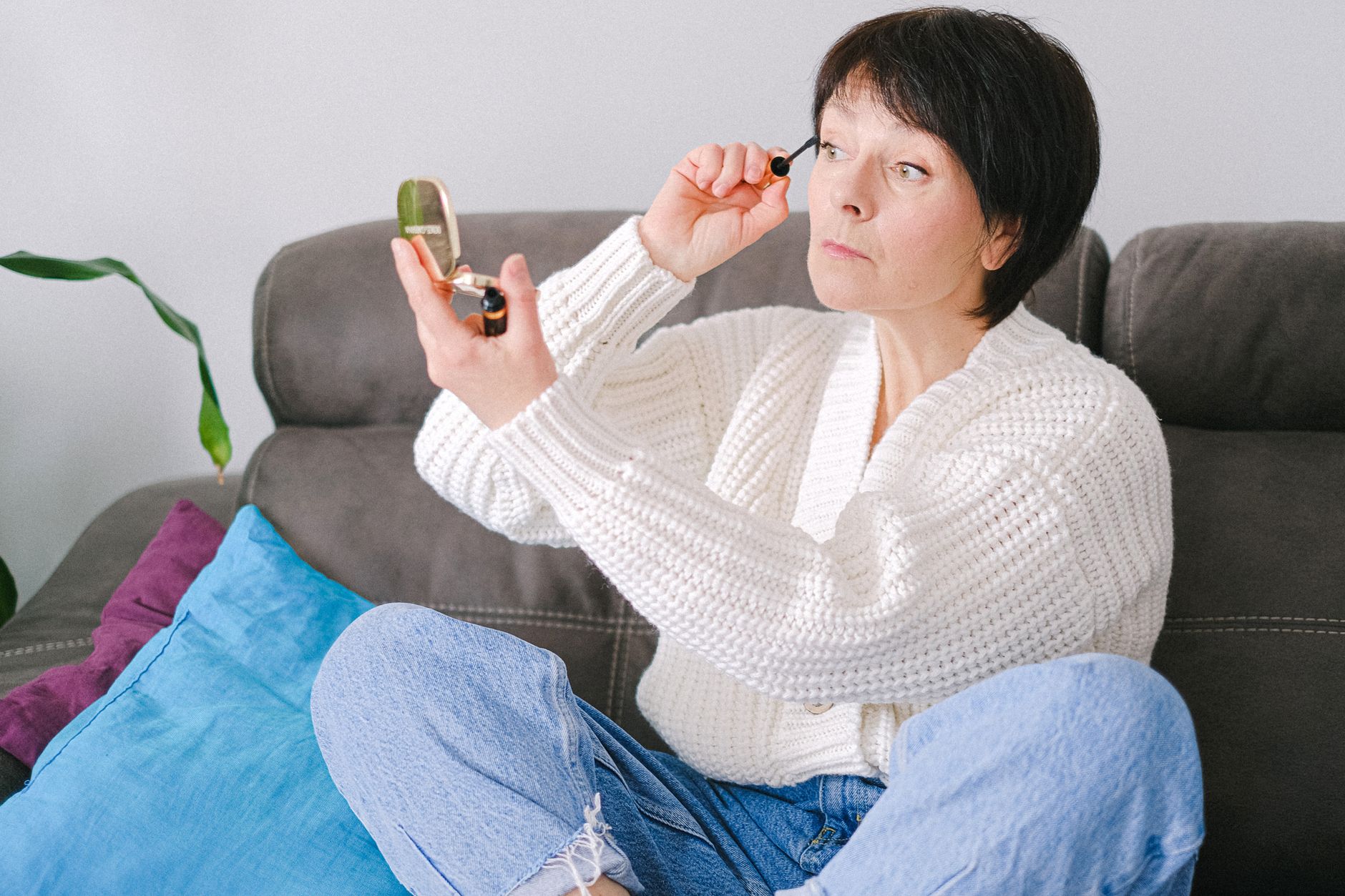
Many people use mascara and eyelash extensions to enhance their lashes. However, improper use can lead to damage and loss. Here are some factors to consider:
- Allergic Reactions: Some ingredients in makeup can cause allergic reactions, leading to irritation and lash loss.
- Removal Techniques: Rubbing or pulling at eyelashes during makeup removal can cause them to fall out.
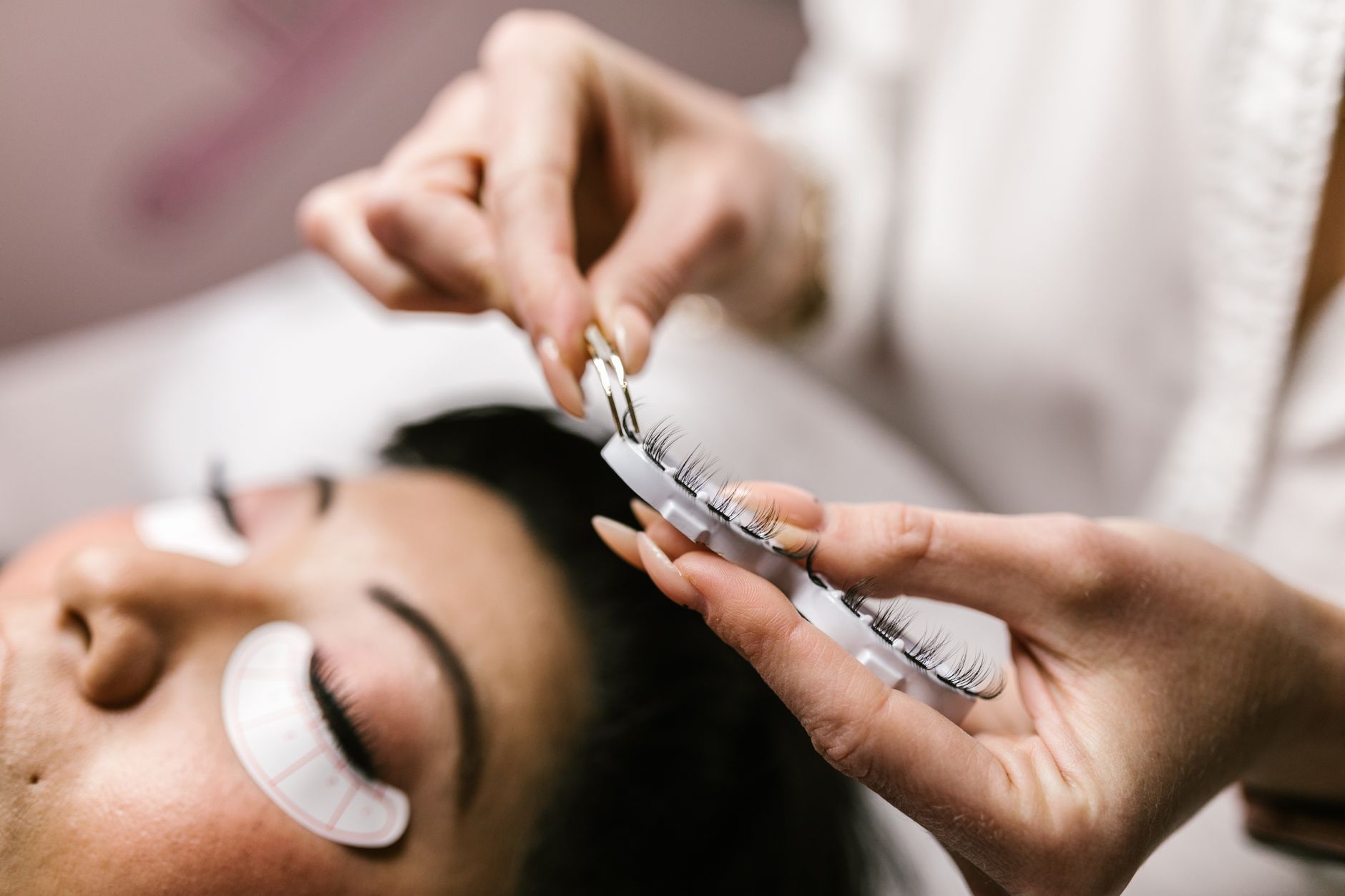
- Extensions and Adhesives: Eyelash extensions can weigh down natural lashes, especially if applied excessively or improperly.
Be gentle when applying and removing makeup, and consider using hypoallergenic products to reduce the risk of irritation.
2. Eyelash Growth Serums
Many serums claim to promote eyelash growth. While some may be effective, overuse or misuse can lead to lash loss. Pay attention to:
- Ingredients: Some serums contain prostaglandin analogs, which can have side effects.
- Application: Following the manufacturer’s instructions is crucial to avoid adverse effects.
- Allergic Reactions: As with makeup, ensure you are not allergic to any ingredients.
Consult a dermatologist before starting any new product to ensure it is safe for you.
3. Nutritional Deficiencies
A balanced diet is essential for healthy hair growth, including eyelashes. Deficiencies in certain vitamins and minerals can contribute to hair loss. Key nutrients to consider include:
- Biotin: Supports hair health and is found in eggs, nuts, and whole grains.
- Vitamin D: Plays a role in hair follicle cycling and can be obtained from sunlight and foods like fatty fish.
- Iron: Essential for oxygen transport, a deficiency can lead to hair loss. Sources include red meat, beans, and spinach.
Ensuring a well-rounded diet can help promote healthy lash growth.
When to See a Doctor
While occasional eyelash loss can be normal, certain signs warrant a visit to a healthcare professional. Consider seeking help if:
- You notice sudden or excessive eyelash loss.
- There is accompanying redness, swelling, or pain in the eyelid area.
- You experience loss of eyebrow hair or other body hair.
- Your eyelashes fall out in clumps.
A healthcare provider can help identify any underlying conditions and recommend appropriate treatment options.
Treatment Options for Eyelash Loss
1. Medical Treatments
If your eyelash loss is due to an underlying health condition, a healthcare professional may recommend specific treatments. Options may include:
- Topical Medications: Certain creams or lotions may help stimulate growth.
- Hormonal Treatments: If hormonal imbalances are at play, medications may be prescribed.
- Hair Restoration Therapy: In some cases, procedures to promote hair growth may be considered.
It’s important to follow your doctor’s recommendations and discuss the potential benefits and risks of any treatment.
2. Home Remedies and Lifestyle Changes
In addition to medical treatments, several home remedies may help support eyelash health:
- Castor Oil: Many people find that applying castor oil helps nourish lashes.
- Aloe Vera: Known for its soothing properties, it may promote healthy hair growth.
- Regular Cleaning: Keeping your eyelids clean can prevent irritation and promote healthy growth.
Always perform a patch test before trying new products to ensure you do not have an adverse reaction.
3. Preventive Measures
Preventing eyelash loss involves adopting healthy habits:
- Gentle Makeup Removal: Use a soft cloth or cotton pad and a gentle makeup remover.
- Limit Use of Extensions: If using eyelash extensions, ensure they are applied properly and not overly heavy.
- Manage Stress: Incorporate stress-reducing activities into your routine.
Taking these steps can help maintain the health of your eyelashes and prevent future loss.
Psychological Impact of Eyelash Loss
Understanding the Emotional Effects
Eyelash loss can have significant psychological implications, often leading to low self-esteem and anxiety. Many individuals may not fully comprehend the emotional toll that losing eyelashes can take. For some, eyelashes are seen as a symbol of beauty and femininity, and their absence can lead to feelings of inadequacy.
Research in psychology indicates that physical appearance can heavily influence self-perception and social interactions. When someone experiences eyelash loss, it may be correlated with negative body image, which can lead to withdrawal from social situations or a decreased quality of life.
Coping Mechanisms and Support
It’s essential for individuals experiencing eyelash loss to have effective coping strategies. Support groups, both online and in-person, can provide a safe space for sharing experiences and finding comfort in community. Here are some coping mechanisms that may help:
- Engaging in mindfulness practices such as meditation or yoga.
- Using makeup techniques to enhance other facial features, which can help mitigate feelings of loss.
- Seeking therapy or counseling to address underlying anxiety or depression.
Additionally, speaking openly with friends and family about feelings regarding eyelash loss can foster understanding and support, reducing feelings of isolation.
Dietary Factors Influencing Eyelash Health
The Role of Nutrition
Nutrition plays a pivotal role in maintaining the health of hair follicles, including those that produce eyelashes. A well-balanced diet rich in essential vitamins and minerals can promote stronger and healthier eyelashes. Key nutrients to focus on include:
- Biotin: This B vitamin is known for its role in hair health. Foods rich in biotin include eggs, nuts, and whole grains.
- Vitamin E: Acting as an antioxidant, vitamin E helps improve blood circulation to the scalp and hair follicles. Sources include spinach, avocados, and almonds.
- Omega-3 Fatty Acids: Found in fatty fish like salmon, flaxseeds, and walnuts, omega-3s can help nourish hair follicles and promote growth.
- Zinc: Crucial for hair tissue growth and repair, zinc can be found in foods like pumpkin seeds, lentils, and chickpeas.
Incorporating these nutrients into your diet can help enhance the overall health of not just your eyelashes, but your hair in general.
Hydration and Its Impact on Eyelash Health
Hydration is another critical factor in maintaining eyelash health. Dehydration can lead to brittle hair and eyelashes, making them more prone to breakage. Adequate water intake is essential for ensuring that hair follicles receive the moisture they need for optimal growth. It is recommended to drink at least eight 8-ounce glasses of water daily, but individual needs may vary based on activity level and climate.
In addition to drinking water, consuming foods with high water content, such as cucumbers, oranges, and watermelon, can also aid in hydration. Keeping the body well-hydrated can help maintain the elasticity and strength of eyelashes.
Environmental Factors Contributing to Eyelash Loss
Impact of Pollution and Climate
Environmental factors such as pollution and harsh weather conditions can significantly impact the health of eyelashes. Exposure to pollutants can lead to oxidative stress, which may weaken hair follicles and contribute to hair loss. Individuals living in urban areas with high levels of air pollution may notice increased eyelash loss compared to those in cleaner environments.
Additionally, extreme weather conditions, such as cold, dry air in winter or intense sun exposure in summer, can also affect eyelash health. Protective measures, such as wearing sunglasses to shield eyelashes from UV rays, can help mitigate these effects.
Preventive Strategies for Environmental Damage
To protect eyelashes from environmental damage, consider adopting the following strategies:
- Use a gentle, protective eye makeup remover to avoid tugging on eyelashes during cleaning.
- Incorporate an eyelash conditioner into your beauty routine to provide extra hydration and protection.
- Avoid rubbing your eyes, which can lead to breakage and loss.
- Implement a skincare routine that includes antioxidants to combat oxidative stress.
Being mindful of these environmental factors and taking proactive measures can help preserve eyelash health and prevent future loss.
Genetic Factors Influencing Eyelash Growth
Hereditary Conditions
Genetics play a significant role in the overall health and growth of your eyelashes. Certain hereditary conditions, such as hypotrichosis, can lead to sparse or absent eyelashes. This condition is characterized by a reduced number of hair follicles, which can affect not only eyelashes but also eyebrows and scalp hair. If you have a family history of hair loss, it may be worth discussing with a healthcare provider.
Age-Related Changes
As individuals age, the growth cycle of hair, including eyelashes, tends to slow down. This can result in thinner, shorter, or even absent eyelashes. The natural aging process affects the hair follicles, leading to a decrease in the number of active hair follicles and a longer resting phase. It’s important to note that while aging is a natural process, maintaining a healthy lifestyle can help mitigate some of these effects.
Genetic Predispositions
Some individuals may have a genetic predisposition that affects how their body responds to hair growth signals. This could include variations in genes responsible for hair follicle development or hormonal regulation. While genetic testing is not commonly performed for eyelash health, understanding your genetic background may provide insights into your eyelash growth patterns.
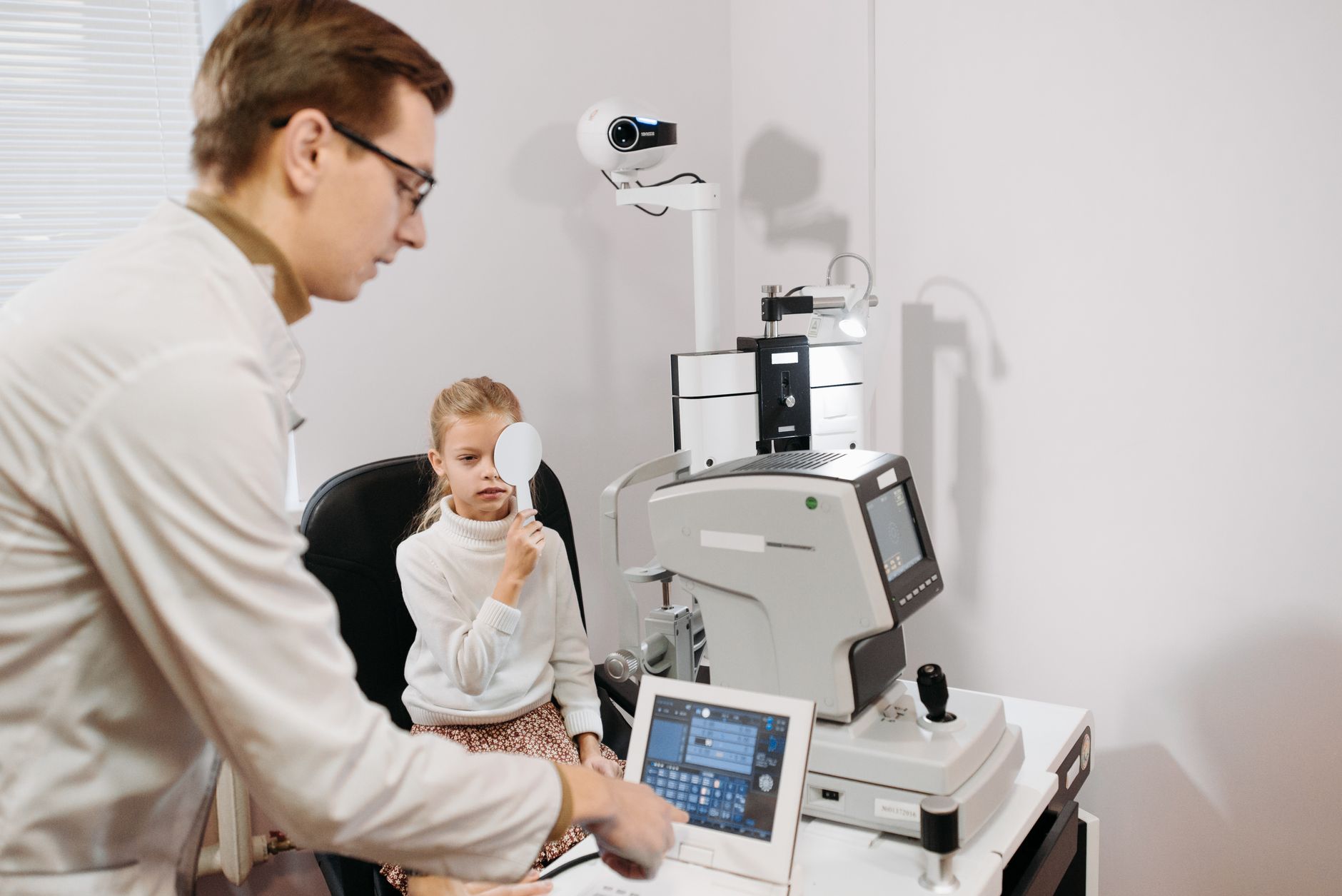
Medical Conditions Associated with Eyelash Loss
Alopecia Areata
Alopecia areata is an autoimmune disorder that can lead to sudden hair loss, including eyelashes. It occurs when the immune system mistakenly attacks hair follicles, causing hair to fall out in patches. This condition can be unpredictable, and while some individuals experience regrowth, others may face ongoing challenges. Treatments may include corticosteroids or other immunotherapy options.
Thyroid Disorders
Thyroid function has a direct impact on hair growth. Both hyperthyroidism and hypothyroidism can lead to changes in hair density, including the eyelashes. Symptoms of thyroid disorders may include fatigue, changes in weight, and skin alterations. Regular check-ups and thyroid function tests can help manage these conditions and their effects on hair growth.
Chronic Skin Conditions
Conditions such as eczema or psoriasis can also contribute to eyelash loss. Inflammation and irritation from these conditions can affect the hair follicles, leading to hair loss. Effective management of skin conditions through topical treatments or systemic medications may help improve eyelash growth. Consider the following chronic skin conditions:
- Eczema
- Psoriasis
- Contact dermatitis
Preventive Measures for Eyelash Health
Proper Eyelash Care
Taking good care of your eyelashes can help prevent loss and promote healthy growth. Avoiding excessive rubbing or pulling on the eyelashes while removing makeup can significantly reduce the risk of damage. Additionally, using gentle makeup removers and avoiding waterproof formulas can help maintain eyelash health.
Nutritional Support
While dietary factors influencing eyelash health have been previously discussed, it is crucial to emphasize specific nutrients that are particularly beneficial. Vitamins and minerals play a vital role in hair health, including:
- Biotin
- Vitamin E
- Zinc
Incorporating foods rich in these nutrients into your diet can support not only eyelash health but also overall hair health.
Stress Management Techniques
Chronic stress can negatively impact hair growth, including eyelashes. Practicing stress management techniques such as yoga, meditation, or regular exercise can help maintain a healthy growth cycle for your eyelashes. Implementing these techniques into your daily routine can also promote overall well-being.
Frequently Asked Questions
1. How many eyelashes do we lose daily?
On average, it is normal to lose about 1 to 5 eyelashes per day as part of the natural growth cycle.
2. Can stress really cause eyelashes to fall out?
Yes, stress can lead to a condition called telogen effluvium, which may cause more hairs to enter the shedding phase than usual.
3. Are there any specific products to help with eyelash growth?
Some over-the-counter products claim to promote eyelash growth. However, it’s essential to consult a healthcare professional before trying any new treatments.
4. When should I see a doctor about my eyelash loss?
If you notice sudden or excessive loss, or if there are accompanying symptoms like pain or swelling, it’s wise to consult a healthcare provider.
The Bottom Line
Eyelash loss can be concerning, but understanding the potential causes can help you address the issue effectively. From natural shedding to health conditions and cosmetic practices, various factors can contribute to eyelash loss. If you’re experiencing excessive loss, consulting a healthcare professional is crucial for proper diagnosis and treatment. By adopting healthy habits and managing stress, you can support the health of your eyelashes and enhance their appearance.
Note: This article is for general information only and is not medical advice. See a qualified health professional about your own situation.