
Key Takeaways
- Eyelid pain can arise from various causes including infections and allergies.
- Common conditions include styes, chalazia, and blepharitis.
- Proper hygiene and care can alleviate many eyelid issues.
- Consult a healthcare professional for persistent or severe symptoms.
Many people find themselves asking, “Why does my eyelid hurt?” Eyelid pain can be a frustrating and uncomfortable experience, and understanding its potential causes is the first step toward relief. This article will explore the various reasons behind eyelid pain, how to identify symptoms, and when to seek professional help.
The eyelid serves crucial functions, including protecting the eye and keeping it moist. However, various factors can lead to discomfort in this area, affecting daily life and visual comfort. By gaining insights into the causes of eyelid pain, individuals can better manage their symptoms and maintain eye health.
This guide will cover common conditions associated with eyelid pain, preventative measures, treatment options, and when it is essential to consult a healthcare professional.
Common Causes of Eyelid Pain
Eyelid pain can stem from a variety of sources, some of which are benign while others may require medical attention. Understanding these causes can help you identify the nature of your discomfort.
- Infections: Bacterial or viral infections can lead to inflammation and pain in the eyelid.
- Allergic Reactions: Allergies to pollen, dust, or certain cosmetics can cause swelling and discomfort.
- Injuries: Trauma to the eyelid, such as scratches or bruising, can result in pain.
1. Infections
Infections are one of the most common reasons for eyelid pain. Here are some specifics:
- Stye: A stye is a painful lump that forms on the eyelid, often due to a blocked gland. It can be red, swollen, and tender to the touch.
- Chalazion: A chalazion is similar to a stye but usually less painful. It occurs when a meibomian gland becomes blocked. Over time, it can cause swelling and discomfort.
- Blepharitis: This condition involves inflammation of the eyelid margins, often accompanied by crusty scales. It can cause irritation and a burning sensation.
2. Allergic Reactions
Allergic reactions can trigger symptoms that lead to eyelid pain:
- Seasonal Allergies: Allergens like pollen can cause swelling and discomfort in the eyelids.
- Cosmetic Allergies: Some individuals may react to ingredients in makeup or eye products, leading to irritation.
- Environmental Allergens: Dust mites and pet dander can also cause allergic conjunctivitis, resulting in itchiness and pain.
3. Injuries
Injuries to the eyelid can occur due to various reasons:
- Physical Trauma: Accidental bumps or falls can lead to bruising.
- Scratches: Sharp objects can scratch the eyelid’s surface, causing pain and swelling.
- Burns: Chemical burns or thermal burns can create significant discomfort.
Symptoms Accompanying Eyelid Pain
Recognizing accompanying symptoms can help in assessing the severity of eyelid pain. Here are some common symptoms:
- Swelling: Inflamed eyelids may become swollen and puffy.
- Redness: The eyelid may appear redder than usual, indicating inflammation.
- Discharge: Yellow or green discharge can point to an infection.
- Itching: Allergies often lead to itchy eyelids.
- Burning Sensation: Irritated eyelids may feel warm or burning.
Diagnosis of Eyelid Pain
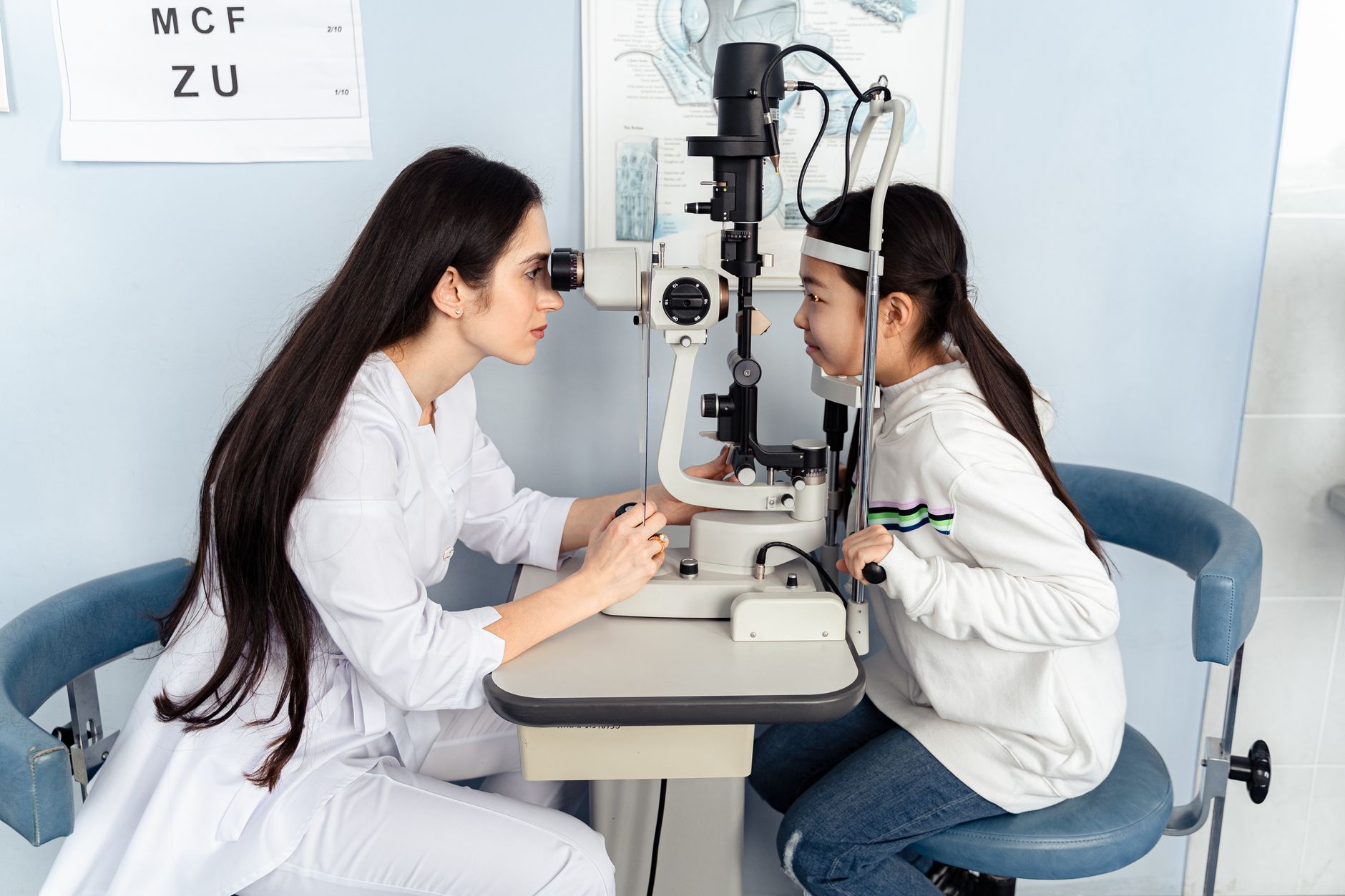
If you are experiencing persistent eyelid pain, a visit to a healthcare professional is essential. Here’s what to expect during a diagnosis:
- Medical History: Your doctor will ask about your symptoms, duration, and any recent injuries or exposures.
- Physical Examination: A visual examination of the eyelids and surrounding areas will help identify swelling, redness, or discharge.
- Tests: In some cases, your doctor may conduct tests like a culture to determine the presence of bacterial infection.
Treatment Options for Eyelid Pain
Treatment for eyelid pain largely depends on the underlying cause. Here are common options:
- Warm Compresses: Applying a warm, moist cloth can help reduce swelling and promote drainage of styes and chalazia.
- Topical Treatments: Antibiotic ointments may be prescribed for bacterial infections.
- Antihistamines: For allergic reactions, over-the-counter antihistamines can alleviate symptoms.
- Surgical Intervention: In chronic cases or when a chalazion doesn’t respond to treatment, minor surgical procedures may be necessary.
Preventative Measures
Taking steps to prevent eyelid pain can reduce the likelihood of developing issues:
- Maintain Eye Hygiene: Regularly wash your face and eyelids to remove irritants.
- Avoid Touching Eyes: Refrain from rubbing or touching your eyes to prevent infections.
- Use Hypoallergenic Products: Opt for makeup and skincare products that are less likely to cause allergic reactions.
When to See a Doctor
There are specific instances when seeking medical advice is crucial:
- Severe Pain: If the pain is intense and unmanageable, consult a healthcare professional.
- Persistent Symptoms: Symptoms lasting more than a week without improvement should be evaluated.
- Vision Changes: Any changes in vision accompanying eyelid pain warrants immediate medical attention.
Understanding Eyelid Anatomy and Its Role in Pain
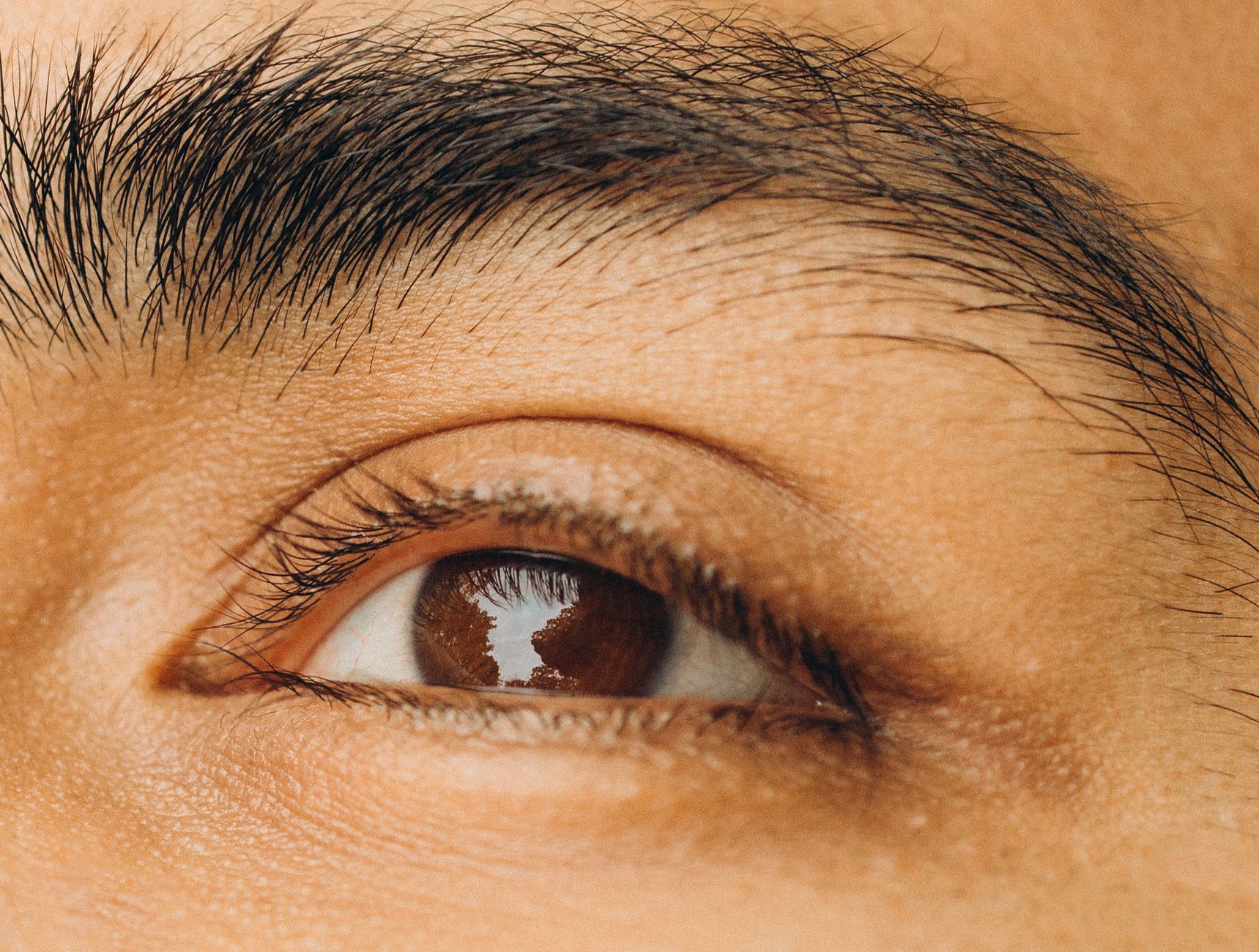
The eyelid is a complex structure composed of skin, muscle, connective tissue, and glands. Each of these components can contribute to pain when they are affected by various conditions. Understanding the anatomy of the eyelid can help in recognizing the specific source of discomfort and in seeking appropriate treatment.
The Layers of the Eyelid
The eyelid consists of several layers, each serving a unique function:
- Skin: The outermost layer, which is thin and sensitive, is prone to irritation and infection.
- Muscle: The orbicularis oculi muscle allows for the closing of the eyelid and can be involved in spasm-related pain.
- Connective Tissue: Provides structural support and can be affected by inflammatory conditions.
- Glands: Meibomian glands produce oil that prevents tear evaporation; blockage can lead to pain and discomfort.
Understanding these layers is crucial when evaluating the cause of eyelid pain, as each part can be susceptible to injury or disease.
Common Conditions Affecting Eyelid Anatomy
Several conditions can cause pain by affecting the various layers of the eyelid:
- Blepharitis: Inflammation of the eyelid margins can lead to pain, redness, and crusting.
- Chalazion: A blockage of a meibomian gland can result in a painful lump on the eyelid.
- Stye (Hordeolum): An infection of an eyelash follicle or gland, resulting in localized pain and swelling.
Recognizing these conditions can assist in determining the appropriate management strategies.
The Role of Nerves in Eyelid Pain
The eyelid is rich in sensory nerve endings, primarily composed of the trigeminal nerve branches. This neural network is integral to the pain perception process. Conditions affecting the nerves can lead to various types of eyelid pain:
- Neuropathic Pain: Damage or irritation to the sensory nerves can result in chronic pain that is not linked to an identifiable source.
- Allodynia: A condition where normal stimuli, such as light touch, provoke pain due to nerve hyperexcitability.
- Trigeminal Neuralgia: A severe pain condition affecting the trigeminal nerve, which may cause eyelid pain.
Understanding the role of nerves provides insight into more complex pain syndromes that may manifest in the eyelid region.
Impact of Systemic Diseases on Eyelid Pain
Systemic diseases can have far-reaching effects, including manifestations in the eyelids. Conditions such as diabetes, autoimmune disorders, and infections can lead to eyelid discomfort or pain.
Diabetes and Eyelid Pain
Diabetes is known to affect various body systems, including the eyes. Diabetic patients may experience eyelid pain due to several reasons:
- Neuropathy: Diabetic neuropathy can lead to nerve damage, resulting in pain and discomfort in the eyelids.
- Increased Risk of Infections: Diabetes can compromise the immune system, making eyelids more susceptible to infections like styes.
- Poor Circulation: Reduced blood flow can lead to complications in eyelid healing and increased pain.
Monitoring blood sugar levels and maintaining overall health can help manage these symptoms.
Autoimmune Disorders and Their Influence
Autoimmune diseases such as lupus or Sjögren’s syndrome can also manifest in the eyelids through pain and inflammation. Key points to consider include:
- Inflammation: Autoimmune responses often lead to localized inflammation, which can cause eyelid pain.
- Dryness: Conditions like Sjögren’s syndrome may cause severe dryness, leading to discomfort and pain in the eyelids.
- Skin Manifestations: Some autoimmune diseases can cause rashes or lesions on the eyelids, contributing to pain.
Recognizing these connections is essential for effective management and treatment of eyelid pain in patients with systemic diseases.
Infectious Diseases and Eyelid Pain
Infections can lead to eyelid pain through direct involvement or secondary effects. Conditions to be aware of include:
- Viral Infections: Viruses such as herpes simplex can lead to painful lesions on the eyelids.
- Bacterial Infections: Bacteria can cause conditions like styes or conjunctivitis, leading to eyelid discomfort.
- Fungal Infections: Rarely, fungal infections can affect the eyelids, especially in immunocompromised individuals.
Understanding the types of infections that can affect the eyelids is critical to seeking timely treatment and preventing complications.
Psychosomatic Factors in Eyelid Pain
Psychosomatic factors can significantly influence pain perception, including eyelid pain. Stress, anxiety, and depression have been shown to exacerbate pain conditions.
The Connection Between Stress and Pain Perception
Stress can amplify pain signals and lead to muscle tension, including in the eyelids. Here are some ways stress may impact eyelid pain:
- Muscle Tension: Increased stress levels can lead to tension in the muscles surrounding the eyelids, causing discomfort.
- Increased Sensitivity: Stress can heighten the body’s sensitivity to pain, making even minor irritations feel more significant.
- Behavioral Factors: Stress may lead to habits such as rubbing the eyes, which can further irritate the eyelids.
Recognizing the role of stress in eyelid pain can help in developing comprehensive treatment strategies that address both physical and psychological components.
Impact of Anxiety and Depression on Physical Symptoms
Both anxiety and depression can manifest as physical symptoms, including eyelid pain. Important factors to consider include:
- Somatic Complaints: Individuals with anxiety may experience somatic symptoms, leading to increased reporting of pain.
- Fatigue: Depression can lead to fatigue, which may exacerbate the perception of pain in the eyelids.
- Distraction from Pain: Anxiety may cause individuals to be more aware of bodily sensations, heightening the perception of pain.
Addressing psychological health through therapy or counseling can be an essential component of managing chronic eyelid pain.
Effective Coping Strategies for Psychosomatic Pain
Managing psychosomatic factors is crucial for alleviating eyelid pain. Here are effective strategies:
- Mindfulness and Relaxation Techniques: Practices such as meditation and deep breathing can reduce stress levels.
- Cognitive Behavioral Therapy (CBT): A psychological approach that helps identify and change negative thought patterns associated with pain.
- Regular Physical Activity: Exercise has been shown to reduce stress and improve overall well-being.
Implementing these coping strategies can lead to a holistic approach to managing eyelid pain, addressing both physical and psychological factors.
Potential Allergic Reactions Leading to Eyelid Pain
Common Allergens
Allergic reactions can manifest in various ways, including pain and discomfort in the eyelids. Common allergens that may trigger such reactions include pollen, pet dander, dust mites, and certain foods. Contact allergens, such as cosmetics, soaps, and lotions, can also cause localized reactions that may lead to eyelid pain.
In addition to typical allergens, medications, particularly topical ones applied near the eyes, can provoke allergic responses. Identifying the specific allergen is crucial for effective management.
- Pollen
- Pet Dander
- Dust Mites
- Cosmetics
- Topical Medications
Symptoms of Allergic Eyelid Reactions
When an allergic reaction occurs, eyelid pain is often accompanied by several other symptoms. Patients may experience swelling, redness, and itching in the eyelid area. In more severe cases, individuals may notice tearing, a burning sensation, or a rash around the eyes.
It is essential to monitor these symptoms closely, as they can indicate the severity of the allergic reaction. If symptoms escalate, particularly with breathing difficulties or widespread swelling, immediate medical attention is necessary.
Treatment and Management
Management of allergic eyelid pain typically involves avoiding the identified allergens. Antihistamines can help alleviate symptoms, while topical corticosteroids may reduce inflammation. In cases where allergic reactions are severe, healthcare providers may prescribe stronger medications.
Regularly washing the face and eyelid area can also help remove allergens, and using hypoallergenic products can minimize the risk of future reactions.

Infections and Inflammatory Conditions
Blepharitis
Blepharitis is an inflammation of the eyelid margins, often resulting in pain and discomfort. This condition can be caused by bacterial infections, seborrheic dermatitis, or meibomian gland dysfunction. Patients typically experience crusting, redness, and itching, along with eyelid pain.
Management of blepharitis involves maintaining eyelid hygiene through warm compresses and eyelid scrubs, which can help reduce symptoms and prevent recurrence.
Conjunctivitis
Conjunctivitis, or pink eye, can lead to eyelid pain due to inflammation of the conjunctiva. This condition may be caused by bacteria, viruses, allergens, or irritants. Symptoms include redness, discharge, and swelling of the eyelids.
Depending on the underlying cause, treatment may involve antibiotic eye drops for bacterial conjunctivitis or antihistamines for allergic conjunctivitis. Proper hygiene practices are essential to prevent the spread of infectious forms.
Orbital Cellulitis
Orbital cellulitis is a serious infection that affects the tissues surrounding the eye and can lead to significant eyelid pain. Symptoms may include swelling, redness, fever, and decreased vision. This condition commonly arises from sinus infections or after trauma to the eye area.
Orbital cellulitis requires immediate medical intervention, often necessitating hospitalization and intravenous antibiotics. Prompt treatment is crucial to prevent complications, including vision loss.
Environmental Factors and Eyelid Pain
Digital Eye Strain
In today’s digital age, prolonged screen time can lead to digital eye strain, which may cause discomfort in the eyelids. Symptoms often include dryness, irritation, and eyelid fatigue. The blue light emitted by screens can also contribute to symptoms, especially when combined with inadequate blinking.
Implementing the 20-20-20 rule, taking a 20-second break to look at something 20 feet away every 20 minutes, can help alleviate strain. Additionally, ensuring proper lighting and ergonomics while using screens is beneficial.
Climate and Environmental Irritants
Environmental factors such as wind, dust, and pollution can exacerbate eyelid pain. Dry and windy conditions may lead to irritation and inflammation of the eyelids. Individuals living in urban areas with high pollution levels may also experience increased discomfort.
Wearing protective eyewear in harsh conditions and using artificial tears can help mitigate symptoms caused by environmental irritants.
Sleep Quality and Eye Health
Poor sleep quality can negatively impact eye health, leading to eyelid pain and discomfort. Lack of sleep can exacerbate symptoms of dry eye syndrome, resulting in tired, painful eyelids. Establishing a consistent sleep routine and ensuring adequate rest is essential for maintaining eye health.
Practices such as limiting screen time before bed, creating a comfortable sleep environment, and managing stress can promote better sleep quality and, in turn, enhance eyelid comfort.
Frequently Asked Questions
1. Can stress cause eyelid pain?
While stress itself may not directly cause eyelid pain, it can lead to tension headaches or exacerbate existing conditions like blepharitis.
2. Are there home remedies for eyelid pain?
Home remedies like warm compresses can alleviate mild eyelid discomfort. However, persistent symptoms should be evaluated by a doctor.
3. Can eyelid pain be a sign of a serious condition?
In some cases, eyelid pain could indicate serious conditions, such as infections or injuries. It is important to monitor symptoms and seek professional advice when necessary.
4. How can I relieve eyelid pain at home?
Applying a warm compress, avoiding makeup, and practicing good eye hygiene can help relieve mild eyelid pain.
The Bottom Line
Eyelid pain can arise from various causes, including infections, allergies, and injuries. Understanding the symptoms, treatment options, and when to seek medical help can empower you to manage your eye health effectively. Always consult a healthcare professional if symptoms persist or worsen.
Note: This article is for general information only and is not medical advice. See a qualified health professional about your own situation.