Key Takeaways
- Physical inactivity is increasing among youth.
- Obesity rates in children are at an all-time high.
- Mental health issues are linked to physical fitness.
- Community and parental involvement are crucial.
Understanding the Growing Concern
Why is there a growing concern over the physical fitness of children and adolescents? In recent years, parents, educators, and health professionals have become increasingly alarmed by the declining levels of physical activity among young people. This trend is alarming not only because of the immediate health implications but also due to the long-term consequences it may have on the overall well-being of future generations.
The importance of physical fitness cannot be overstated. Regular physical activity is vital for healthy growth and development in children and adolescents. It helps build strong bones and muscles, supports a healthy weight, and contributes to improved mental health and mood. Unfortunately, various factors are contributing to a decline in physical fitness among youth, sparking widespread concern.
As technology becomes more integrated into daily life, many children and adolescents are spending more time in front of screens and less time engaging in physical play. This article will explore various aspects of this issue, including the causes of declining fitness levels, the implications of physical inactivity, and potential solutions that can be implemented to combat this growing concern.
Current Statistics on Youth Fitness
Understanding the current landscape of youth physical fitness is crucial. According to the World Health Organization (WHO), physical inactivity is a significant public health issue. Here are some pertinent statistics:
- Only 20% of adolescents meet the recommended guidelines for physical activity.
- Childhood obesity has tripled since the 1970s, affecting 1 in 5 children in the U.S.
- Approximately 80% of adolescents do not engage in the recommended 60 minutes of physical activity per day.
These statistics reveal a concerning trend. Physical fitness is foundational for healthy living, and these numbers underscore the urgent need for intervention. Addressing this issue requires a comprehensive understanding of the various factors at play.
Factors Contributing to Declining Physical Fitness
Several factors contribute to the growing concern over the physical fitness of children and adolescents. Understanding these can help identify effective strategies to promote healthier lifestyles.
1. Sedentary Lifestyle
One of the primary contributors to declining fitness levels is the rise of sedentary behavior. With increased screen time from televisions, computers, and mobile devices, children are spending less time engaging in physical activities. Many families report that their children prefer indoor activities, leading to decreased outdoor play and exercise.
Additionally, many schools have reduced physical education programs and recess time, further limiting opportunities for children to engage in physical activity. For instance, a study by the CDC highlighted that only 24% of high school students attend physical education classes.
2. Poor Dietary Habits
Alongside sedentary lifestyles, poor nutrition plays a significant role in the fitness levels of children and adolescents. The availability of fast food and processed snacks has increased, often leading to unhealthy eating habits. These dietary choices contribute to obesity and related health issues.
This issue is compounded by a lack of nutritional education. Many children do not understand the importance of balanced diets and how to make healthy food choices. Addressing nutrition education in schools and at home can be a crucial step toward improving overall health.
3. Environmental Factors
The environment in which children live also impacts their physical fitness. In many urban areas, access to safe parks and recreational facilities is limited. Children in these environments may have fewer opportunities for outdoor activities.
Moreover, cultural attitudes towards physical activity can also play a role. In some communities, there may be a lack of emphasis on the importance of fitness, leading to lower participation in sports and recreational activities.
Implications of Physical Inactivity
The consequences of declining physical fitness among children and adolescents are concerning. The implications extend beyond just physical health and can affect emotional and mental well-being as well.
1. Increased Obesity Rates
As previously mentioned, obesity rates among youth are rising. According to the CDC, childhood obesity can lead to serious health issues such as diabetes, heart disease, and other chronic conditions. The longer a child remains inactive, the greater the risk of developing these health problems.
2. Mental Health Challenges
Physical fitness is closely linked to mental health. Regular physical activity can help reduce symptoms of anxiety and depression. However, as children become less active, they may be at increased risk for mental health issues. Studies have shown that children who engage in regular exercise experience improvements in mood and self-esteem.
3. Academic Performance
Research indicates that physical fitness may also play a role in academic success. Active children tend to have better concentration, memory, and classroom behavior, which can lead to improved academic outcomes. Conversely, a lack of physical activity can contribute to poor performance in school.
Strategies to Improve Fitness Levels
Addressing the growing concern over the physical fitness of children and adolescents requires a multifaceted approach. Here are several strategies that can help promote healthier lifestyles:
1. Encourage Active Play
Parents and caregivers should encourage children to engage in active play. This can include outdoor games, sports, and family activities that promote movement. Setting aside time for physical activity each day can help instill a lifelong love of fitness.
2. Promote Healthy Eating
Education about nutrition is vital. Parents can help children understand the importance of a balanced diet by involving them in meal planning and preparation. Schools can also implement nutrition education programs to teach students about healthy eating habits.
3. Community Involvement
Communities can play a crucial role in promoting physical fitness. Local governments can invest in parks, recreational facilities, and programs that encourage youth participation in sports. Additionally, community organizations can offer free or low-cost fitness programs for children and families.
Role of Schools in Promoting Fitness
Schools are in a unique position to influence the physical fitness of children and adolescents. Here are ways schools can promote active lifestyles:
1. Comprehensive Physical Education Programs
Schools should offer comprehensive physical education programs that teach students about various forms of exercise and the importance of fitness. These programs should be structured, engaging, and inclusive to cater to all students.
2. Active Learning Environments
Incorporating physical activity into the classroom can also help. Schools can implement short activity breaks throughout the day to help students stay engaged and focused. Research shows that even brief periods of physical activity can improve attention and learning.
3. After-School Programs
After-school programs can provide additional opportunities for physical activity. Schools can partner with local organizations to offer sports teams, dance classes, and other fitness-oriented activities. This helps keep children active while fostering social connections.
Technological Influence on Children’s Physical Activity
Screen Time and Sedentary Behavior
In recent years, the rise of digital devices has played a significant role in shaping the lifestyle of children and adolescents. According to the American Academy of Pediatrics, children aged 2 to 5 years should have no more than one hour of high-quality programming per day, while those older than 6 should have consistent limits on screen time. Excessive screen time often correlates with increased sedentary behavior, leading to a decline in physical fitness. This sedentary lifestyle can result in various health issues, including obesity, cardiovascular diseases, and decreased muscular strength.
Parents and guardians are encouraged to monitor and limit screen time effectively. Here are some strategies to consider:
- Establish a family media plan that includes screen-free times and zones.
- Encourage outdoor activities or sports as alternatives to screen time.
- Promote interactive games that require physical movement, such as dance or fitness video games.
Impact of Social Media
Social media platforms can have a dual effect on children’s physical fitness. On one hand, they can encourage physical activity through fitness challenges and community support; on the other hand, they can promote unrealistic body images, leading to body dissatisfaction and unhealthy behaviors. A study published in the journal Body Image found that adolescents who frequently engage with fitness-related content on social media might develop a skewed perception of their own fitness levels.
It’s crucial for parents and educators to address these issues by fostering a healthy relationship with social media. Here are some approaches:
- Encourage discussions about body positivity and the importance of health over appearance.
- Promote positive role models who emphasize health and fitness rather than aesthetics.
- Limit exposure to negative content by curating social media feeds that inspire healthy living.
Community Resources and Accessibility
Availability of Recreational Facilities
The availability of safe and accessible recreational facilities plays a critical role in promoting physical activity among children and adolescents. Communities that invest in parks, playgrounds, and sports facilities provide essential venues for youth to engage in physical activities. Studies have shown that neighborhoods with higher access to recreational spaces tend to have higher rates of physical activity among children.
To assess and improve community resources, local governments can:
- Conduct surveys to understand the recreational needs of families.
- Invest in the maintenance and improvement of existing facilities.
- Create programs that encourage the use of these facilities, such as free sports clinics or community fitness days.
Access to Organized Sports Programs
Participation in organized sports has been linked to numerous physical and psychological benefits for children and adolescents. Involvement in sports helps develop teamwork, discipline, and resilience, while also improving physical fitness. However, access to such programs can vary significantly based on socioeconomic factors, which can hinder participation.
Communities can work to make sports programs more inclusive by:
- Offering scholarships or financial assistance for low-income families.
- Creating outreach programs to raise awareness about available sports options.
- Partnering with local businesses to sponsor youth teams and events.
Parental and Family Engagement in Physical Fitness
The Role of Parents in Modeling Behavior
Parents play a vital role in shaping their children’s attitudes toward physical activity. When parents engage in regular exercise and prioritize fitness, children are more likely to adopt similar habits. A study in the American Journal of Preventive Medicine found that children whose parents actively participate in physical activities are significantly more likely to engage in those activities themselves.
To promote an active lifestyle at home, parents can:
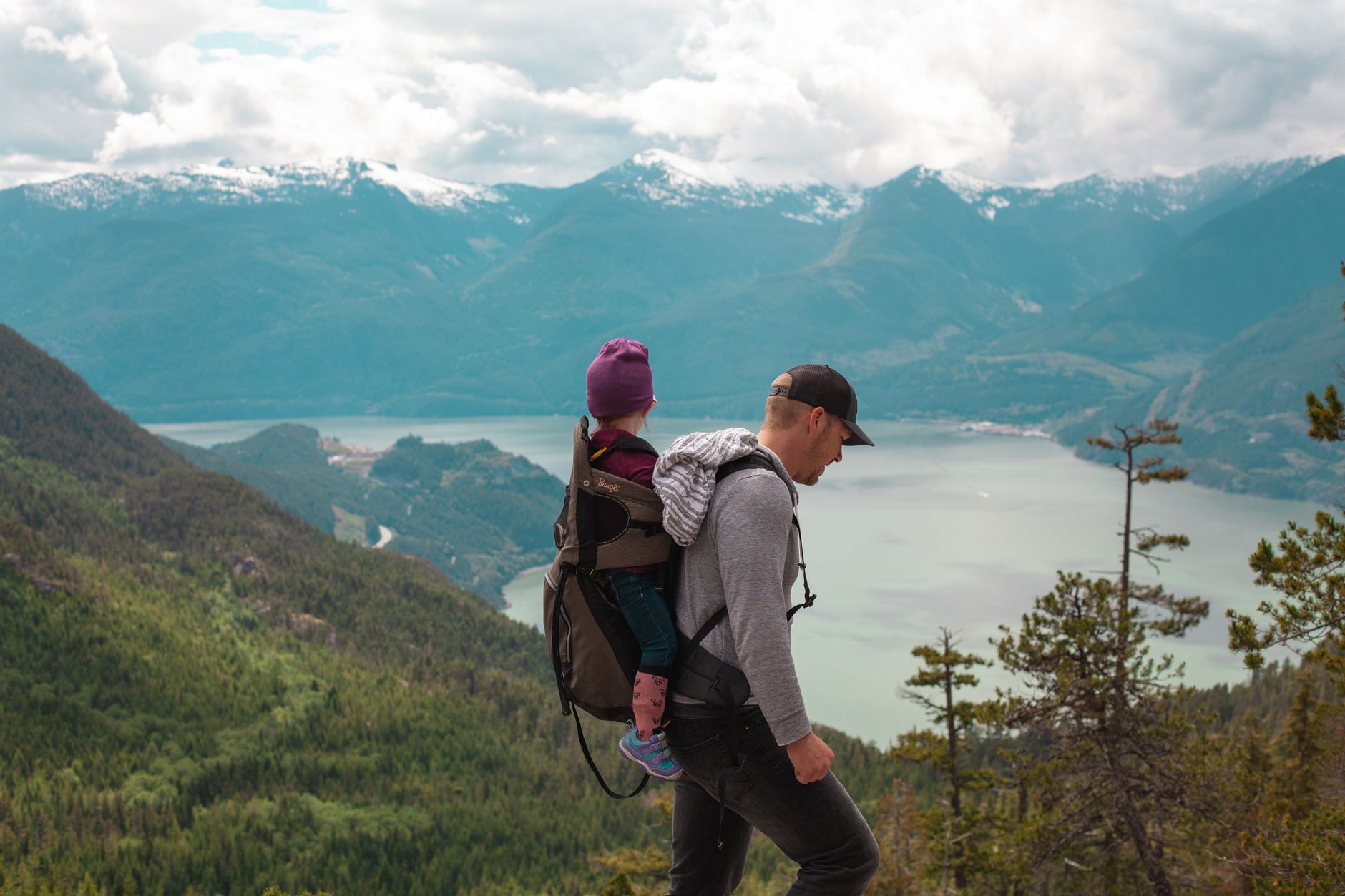
- Incorporate physical activities into family routines, such as biking or hiking on weekends.
- Encourage participation in family sports or exercise challenges.
- Limit screen time for themselves to set a positive example.
Creating a Supportive Home Environment
A supportive home environment is essential for promoting physical fitness among children. This includes providing access to healthy food options, creating opportunities for physical activity, and fostering a positive attitude toward fitness. Research indicates that children with supportive home environments are more likely to maintain a healthy weight and engage in regular physical activity.
Families can support fitness by:
- Stocking the home with healthy snacks and meals.
- Encouraging active family outings such as walks, sports, or dance parties.
- Creating a space for physical activities at home, such as a backyard or playroom.
Frequently Asked Questions
What age should children start exercising?
Children can start engaging in physical activities as early as preschool age. Activities should be fun and age-appropriate, focusing on developing skills rather than competition.
How much exercise do adolescents need?
Adolescents should aim for at least 60 minutes of moderate to vigorous physical activity each day. This can include various activities such as sports, walking, cycling, or dancing.
What are the benefits of physical fitness for children?
Physical fitness offers numerous benefits, including improved physical health, better mental health, enhanced academic performance, and the development of social skills through team sports.
How can parents encourage fitness in their children?
Parents can encourage fitness by being active role models, planning family activities that involve physical activity, and providing a supportive environment that promotes healthy habits.
The Bottom Line
In summary, the question, “Why is there a growing concern over the physical fitness of children and adolescents?” highlights an urgent issue that requires attention from families, schools, and communities. The rising levels of physical inactivity and obesity among youth are alarming and pose significant health risks. By understanding the contributing factors and implementing effective strategies, we can work together to promote healthier lifestyles for future generations.
Note: This article is for general information only and is not medical advice. See a qualified health professional about your own situation.