





Understanding Implantation Bleeding
Implantation bleeding occurs when a fertilized egg attaches itself to the lining of the uterus, typically around 6 to 12 days after conception. It is often one of the earliest signs of pregnancy and may be mistaken for a light period. Women may experience spotting during this time, which is usually lighter in color and flow compared to a regular menstrual cycle. Understanding whether a pregnancy test can show positive results during this phase is crucial for those trying to conceive.
During implantation bleeding, levels of the hormone human chorionic gonadotropin (hCG) begin to rise significantly, influenced by the development of the placenta. This increase in hCG is what most home pregnancy tests detect to indicate a positive result. It’s important to note that while some women may get a positive pregnancy test during implantation bleeding, it’s not guaranteed. Testing too early can lead to inaccurate results.
What is a Pregnancy Test?
A pregnancy test is a medical tool used to determine if a person is pregnant. This test works by detecting the presence of hCG in urine or blood. Home pregnancy tests are widely available and affordable, providing quick results typically within a few minutes. Accuracy can vary based on the timing of the test and the sensitivity of the test used.
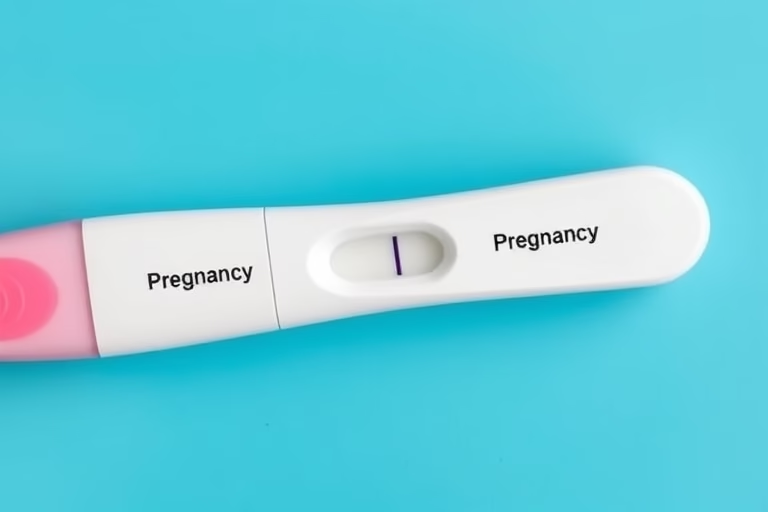
Home pregnancy tests generally provide clear indications of the results, with distinct lines appearing on a testing strip. A single line usually indicates no pregnancy, while two lines indicate a positive result. More advanced tests may even indicate the approximate weeks of pregnancy. Understanding how these tests function is essential for anyone suspecting pregnancy, especially around the time of implantation bleeding.
In terms of effectiveness, home pregnancy tests can be up to 99 percent accurate when used correctly. However, testing too early may not yield reliable results. Timing is important because hCG levels fluctuate greatly during early pregnancy.
Timing of Implantation Bleeding
The timing of implantation bleeding is typically a key factor when considering taking a pregnancy test. Most women experience implantation bleeding around a week before their expected period. This can create confusion regarding the ideal time to test positively for pregnancy.
At around 10 days post-ovulation, the body begins to produce hCG if fertilization and implantation have occurred. Testing during this window can sometimes lead to a positive pregnancy test, especially if it coincides with light bleeding. Waiting a few days after implantation bleeding, however, may yield more reliable results as hCG levels continue to rise and can be detected more easily.
It is advisable for women to track their menstrual cycles and ovulation patterns to better understand their timing. Using an ovulation calculator could help predict the best times to test after potential implantation bleeding, thus increasing the chances of an accurate pregnancy test.
Varieties of Pregnancy Tests
There are two main types of pregnancy tests available: home urine tests and blood tests. Home urine tests are most common due to their convenience, cost-effectiveness, and privacy. These tests utilize a chemical that reacts to the presence of hCG and show results in minutes.
Blood tests, usually conducted in a healthcare setting, can provide more sensitive results and can be used to detect pregnancy earlier than urine tests. There are two types of blood tests: qualitative, which determines whether hCG is present, and quantitative, which measures the exact amount of hCG in the bloodstream.
Women should consult with healthcare providers to determine the most suitable testing method. If pregnancy is suspected, especially if experiencing symptoms or changes in the menstrual cycle, a healthcare provider can offer more in-depth testing and follow-up care.
Factors Affecting Pregnancy Test Accuracy
Several factors can influence the accuracy of pregnancy tests, ranging from the timing of the test to the individual’s hormonal levels and the test’s sensitivity. If a test is taken too early, before implantation bleeding has occurred and sufficient hCG has been produced, the result may be negative even if the person is pregnant.
Other factors to consider include:
For the most accurate readings, it is advised to take a pregnancy test in the morning when urine is most concentrated, particularly within the first week after a missed period.
Common Symptoms During Implantation Bleeding
During implantation bleeding, many women may experience mild symptoms that are early signs of pregnancy. Symptoms can vary widely among individuals, but some common indicators include:
Recognizing these early symptoms can be helpful in understanding one’s body and deciding when to take a pregnancy test. However, it’s crucial to differentiate these symptoms from premenstrual signs, as they can overlap.
When to Take a Pregnancy Test
Timing is essential when it comes to taking a pregnancy test. Many healthcare providers recommend waiting until a missed period to ensure more accurate results.
It may be beneficial to wait at least a few days after experiencing implantation bleeding before testing, as hCG levels need time to build up in the body. This would ideally be about a week after implantation, ensuring the test has a higher chance of detecting the hormone accurately.
If a woman takes a test too early, especially during implantation bleeding, she may receive a negative result despite being pregnant. For accuracy, testing in the morning with the first urination of the day is often recommended because it contains the highest concentration of hCG.
If a woman receives a negative result but has not started her period, it’s advisable to retake the test after a few days, or consult with a healthcare professional for further guidance.
Final Thoughts
In conclusion, determining whether a pregnancy test will show a positive result during implantation bleeding can be complex. While some women do receive positive tests early, others may not due to varying levels of hCG.
Timing is crucial after implantation bleeding, as hCG levels rise significantly once implantation occurs. It is typically advised to wait until after a missed period for greater accuracy in testing. Understanding how pregnancy tests work and when to take them can make the experience less stressful for those trying to conceive.
If you suspect pregnancy, monitoring your symptoms and timing your tests can help to yield more reliable results. Should uncertainty remain following at-home testing, reaching out to a healthcare provider for further insights and possibly a blood test may clarify your situation.
Lastly, recognizing the common symptoms associated with early pregnancy can assist in navigating this emotional and physical journey. By being informed and patient, you can ensure the best possible understanding of your body’s changes and the intricate process of conception.
Frequently Asked Questions
- Can a home pregnancy test show positive during implantation bleeding?
Yes, some women may receive a positive result due to rising hCG levels if the test is taken soon after implantation bleeding. - How long after implantation bleeding can I test?
It’s generally recommended to wait at least a week after implantation bleeding for the most accurate pregnancy test results. - What does implantation bleeding look like?
Implantation bleeding is typically light pink or brown spotting, unlike the heavier flow of a usual period. - Can hormones affect my pregnancy test results?
Yes, certain hormonal imbalances or medical conditions can result in false negatives or positives on pregnancy tests. - Is it necessary to test in the morning?
Testing in the morning is advised because the first urine of the day is most concentrated, leading to a better chance of detecting hCG.
Further Reading
What Type of Psychotherapy Is Best for Anxiety?