





Understanding Implantation Bleeding
Implantation bleeding is a light spotting that occurs when a fertilized egg attaches itself to the lining of the uterus. This usually happens around six to twelve days after conception, and it is a common early sign of pregnancy. Women may confuse this light bleeding with their menstrual period, but there are distinct differences. Implantation bleeding is typically lighter in color and flow, lasting only a few hours to a couple of days.
Experiencing implantation bleeding can prompt women to take a pregnancy test. Therefore, understanding when and how the body signals pregnancy, including the intricacies of will test be positive during implantation bleeding, is crucial. During this time, the hormones associated with pregnancy begin to build up. A pregnancy test measures the hormone hCG, produced shortly after the fertilized egg implants into the uterine lining. Thus, many women wonder whether a test can provide accurate results when implantation bleeding occurs.
What is hCG?
hCG, or human chorionic gonadotropin, is a hormone produced by the placenta shortly after a fertilized egg attaches to the uterus. This hormone’s presence in a woman’s bloodstream indicates pregnancy. When a woman becomes pregnant, the levels of hCG rise rapidly within the first weeks of gestation.
Pregnancy tests are designed to detect this hormone. Generally, the higher the hCG levels, the more accurate the test results. For many women, a pregnancy test taken during implantation bleeding can yield a positive result, but it may depend on the timing and sensitivity of the test utilized.
Moreover, choosing the right pregnancy test can influence the outcome significantly. Some tests are more sensitive and can detect lower levels of hCG earlier than others.
Timing of the Pregnancy Test
The timing of a pregnancy test is crucial for accuracy. Ideally, testing should occur after the expected date of your period. However, if implantation bleeding occurs, many women question whether they should test sooner.
Taking a test too early, such as on the day of expected implantation bleeding, could result in a negative result, even if the woman is pregnant. This is because hCG levels may not yet be high enough to detect. Hence, waiting a few days after the bleeding stops can yield a more accurate result.
It is important to follow the instructions on the pregnancy test carefully, as each brand may have different recommendations regarding timing.
Common Symptoms of Implantation Bleeding
Understanding the symptoms of implantation bleeding can help differentiate it from a normal period. Common signs of implantation bleeding include:
- Light spotting or discharge
- Color variations from light pink to brown
- Short duration, typically 1-3 days
- Less flow compared to menstrual bleeding
Women should monitor these symptoms closely, especially if they experience them in conjunction with other early signs of pregnancy, such as nausea, breast tenderness, or fatigue.
Factors Influencing Pregnancy Test Accuracy
Several factors can influence the accuracy of a pregnancy test. They include:
- Timing of the test
- Sensitivity of the test
- Individual hormone levels
- Proper usage and following instructions
Using a highly sensitive pregnancy test shortly after implantation bleeding may yield accurate results, but if levels are still low, the result could be negative. Hence, understanding these factors can help women interpret their results correctly.
How to Interpret Pregnancy Test Results
When taking a pregnancy test, interpreting the results correctly is vital. A positive result generally means pregnancy. However, it’s essential to consider factors such as:
- Read the test within the recommended timeframe.
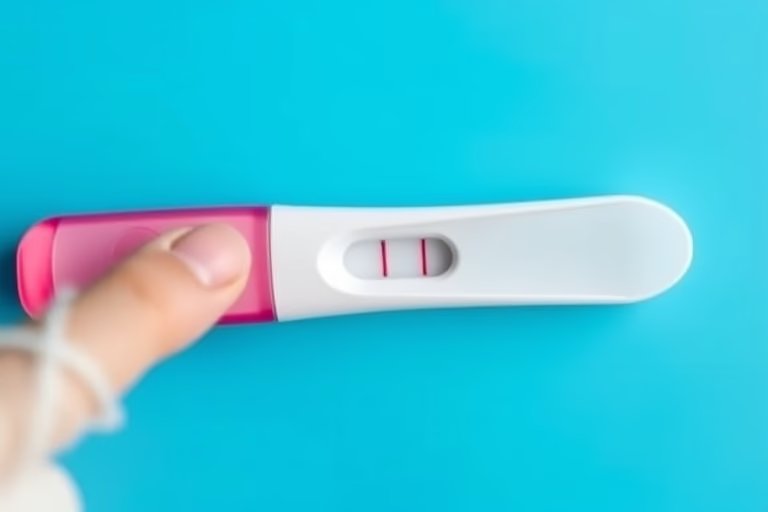
- Two lines usually indicate a positive result; one line typically means negative.
- Some tests may show faint lines; this can still indicate pregnancy.
If an initial test result is unclear or negative, waiting a few days before retesting can provide clarity, especially after potential implantation bleeding. Women should always consider consulting a healthcare provider for confirmation if there is uncertainty.
When to See a Doctor
Women should seek medical advice if they experience heavy bleeding or severe cramping accompanied by other signs of pregnancy. It can be essential to distinguish between a normal pregnancy and issues such as ectopic pregnancy. Additionally, professional guidance can clarify test results and provide peace of mind.
Regular checkups and consultations with a healthcare professional regarding pregnancy symptoms can ensure a healthy start to motherhood.
Final Thoughts
Understanding whether a pregnancy test will be positive during implantation bleeding involves recognizing several key factors, including the timing of the test, hCG hormonal levels, and the symptoms associated with implantation. Women should approach this critical time with both awareness and confidence.
It is essential to remember that implantation bleeding is a natural occurrence, often experienced by many during early pregnancy. Pregnancy tests can be reliable indicators of pregnancy, but timing and following test instructions are crucial for accurate results. Women should not feel discouraged by a negative test taken too early.
Overall, being informed about the signs and implications of implantation bleeding can empower women in their reproductive health journey. Always consult with a healthcare provider for personalized advice and reassurance.
Frequently Asked Questions
1. Can I take a pregnancy test during implantation bleeding?
Yes, but it might not yield accurate results if taken immediately during bleeding. Wait a few days after the bleeding stops for best results.
2. How long does implantation bleeding last?
Implantation bleeding typically lasts between 1 to 3 days and is generally much lighter than a regular period.
3. What color is implantation bleeding?
It can range from light pink to brownish in color, which differs from the bright red often associated with menstrual bleeding.
4. What should I do if my period and implantation bleeding overlap?
Take a pregnancy test a few days after the bleeding has stopped for accurate results and consult with a healthcare provider if unsure.
5. Is heavy bleeding during implantation bleeding normal?
Heavy bleeding is not typical for implantation bleeding. If it occurs, consult a healthcare provider to rule out other issues.
Further Reading
What Type of Psychotherapy Is Best for Anxiety?