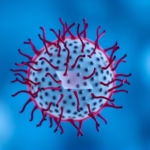
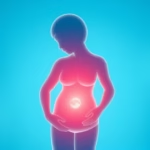
Today we will be talking about yeast infections, a common yet often misunderstood condition that affects many individuals. Yeast infections occur when there is an overgrowth of the fungus Candida, which is naturally present in the body. This overgrowth can lead to discomfort and a range of symptoms that may vary from person to person. Women are more frequently affected by yeast infections, but it’s important to note that men can experience these infections as well. Factors contributing to yeast infections include antibiotic use, hormonal changes, diabetes, a weakened immune system, and lifestyle choices. Symptoms often include itching, burning, and unusual discharge. While yeast infections are generally not serious, they can be bothersome and may require treatment to alleviate symptoms and address the underlying cause.
Understanding Yeast Infections
Yeast infections, primarily caused by the Candida species, are fungal infections that typically occur in warm, moist areas of the body. The most common type, vulvovaginal candidiasis, primarily affects women. The symptoms can include intense itching, irritation, and a thick, white discharge resembling cottage cheese. Conditions that predispose individuals to yeast infections include high estrogen levels, diabetes, and prolonged antibiotic use that disrupts normal bacterial flora. Additionally, lifestyle changes, such as wearing tight clothing or not managing blood sugar levels in diabetics, can increase the risk of developing a yeast infection. Diagnosis is usually made through a physical examination or laboratory tests, and treatments can involve antifungal medications available over the counter or through prescriptions.
Causes of Yeast Infections
The causes of yeast infections primarily involve an imbalance of the natural microorganisms in the body, particularly when the levels of Candida increase. This can happen due to several factors:
- Antibiotics: Antibiotic medications can disrupt the balance of beneficial bacteria, allowing Candida to flourish.
- Hormonal Changes: Fluctuations in hormones, especially during pregnancy, menstrual cycle, or hormone therapy, can increase the risk of yeast infections.
- Weakened Immune System: Conditions that suppress the immune system, such as HIV/AIDS or cancer treatments, can make one more susceptible to infections.
- Diabetes: High blood sugar levels provide an environment conducive to the growth of Candida.
- Poor Hygiene: Lack of proper hygiene can contribute to the overgrowth of yeast in the genital area.
Understanding these causes can help in both preventing and treating these bothersome infections.
Symptoms of Yeast Infections
Recognizing the symptoms of yeast infections is crucial for timely treatment and comfort. Common symptoms include:
- Itching: Persistent itching in and around the affected area is often the first sign.
- Irritation: Redness and swelling can occur, leading to discomfort and pain.
- Discharge: Women may notice a thick, white discharge that is typically odorless.
- Pain During Intercourse: Some individuals may experience pain during sexual activity.
- General Discomfort: Individuals may also feel a burning sensation during urination or general discomfort in the affected area.
These symptoms can vary in intensity and can be mistaken for other conditions, making it vital to seek professional advice when experiencing such signs.
Over-the-Counter Treatments
When it comes to managing yeast infections, many individuals turn to over-the-counter (OTC) treatments, which are often effective for mild to moderate infections. These treatments typically contain antifungal agents, such as:
- Clotrimazole: A commonly used antifungal available in cream or tablet forms.
- Miconazole: Available as a cream, suppository, or spray, it is known for its efficacy in treating yeast infections.
- Tioconazole: An effective topical agent that can provide relief from itching and irritation.
It’s essential to read and follow the instructions on the packaging carefully. While OTC medications can provide quick relief, persistent symptoms or recurrent infections should prompt a visit to a healthcare provider for further evaluation or prescription treatments.
Prescription Treatments
In cases where over-the-counter treatments are ineffective or for individuals with recurrent yeast infections, healthcare providers may prescribe stronger antifungal medications. Prescription treatments may include:
- Fluconazole: An oral antifungal that is often effective for severe infections and usually taken as a single dose.
- Terconazole: Available as a cream or suppository, it’s effective for yeast infections and has fewer side effects.
- Amphotericin B: Used for very severe cases, this medication is typically reserved for specific situations.
Seeking professional guidance is crucial for proper diagnosis and treatment, as incorrect use of medications can lead to further complications or resistance.
Natural Remedies for Yeast Infections
Many individuals are interested in natural remedies for yeast infections. Some popular options include:
- Probiotics: Taking probiotic supplements or consuming yogurt with live cultures can help restore the natural balance of bacteria in the body.
- Olive Leaf Extract: This natural antifungal may help combat yeast overgrowth.
- Coconut Oil: Known for its antifungal properties, applying coconut oil topically may help alleviate symptoms.
- Tea Tree Oil: This essential oil has antifungal properties but should be used cautiously due to its potency.
- Garlic: Consuming raw garlic or garlic supplements may have antifungal effects.
While natural remedies can provide relief, it is advisable to consult with a healthcare professional before trying any new treatment, especially if symptoms persist.
Preventing Yeast Infections
Prevention is key when it comes to yeast infections. Here are some effective strategies to consider:
- Maintain Good Hygiene: Keeping the genital area clean and dry is essential in preventing yeast overgrowth.
- Avoid Tight Clothing: Wearing breathable fabrics and loose-fitting clothing helps reduce moisture.
- Manage Blood Sugar Levels: For individuals with diabetes, controlling blood sugar is vital in preventing yeast infections.
- Limit Antibiotic Use: Only take antibiotics when necessary, as they can disrupt natural flora.
- Incorporate Probiotics: Regularly consuming probiotics can help maintain a healthy balance of bacteria.
By following these prevention tips, individuals can significantly reduce their risk of developing yeast infections.
When to See a Doctor
It’s important to know when to seek medical advice regarding yeast infections. Consider seeing a healthcare provider if:
- Symptoms Persist: If symptoms do not improve after treatment.
- Recurring Infections: Experiencing four or more infections in a year may warrant further investigation.
- Unusual Discharge: If the discharge has a foul odor or is accompanied by other unusual symptoms.
- Severe Symptoms: Experiencing severe pain or discomfort.
- Underlying Conditions: If you have a compromised immune system or diabetes, consult your doctor even with mild symptoms.
Professional medical advice is essential for proper treatment and to rule out other potential health issues.
Living with Yeast Infections
Living with recurrent yeast infections can be frustrating and may require lifestyle adjustments. Here are some tips to help cope:
- Keep a Symptom Diary: Tracking symptoms and triggers can help you identify patterns and causes.
- Educate Yourself: Understanding yeast infections can empower you to manage them effectively.
- Communicate with Partners: Discussing yeast infections openly with sexual partners can help reduce stigma and confusion.
- Consider Lifestyle Changes: Changes in diet and hygiene practices can have a positive impact on overall health.
- Stay Positive: A positive mindset can significantly affect your emotional well-being while managing the condition.
While dealing with yeast infections can be a challenge, knowledge, support, and proactive management can help improve one’s quality of life.
Conclusion
In conclusion, yeast infections are common and can cause a great deal of discomfort, but understanding the causes, symptoms, and treatments available can empower individuals to take charge of their health. Whether opting for over-the-counter treatments or exploring natural remedies, knowledge is vital. Taking preventive measures can significantly reduce the risk of recurrence, and being aware of when to seek professional help is important for overall health management. By maintaining a healthy lifestyle, individuals can foster their well-being and mitigate the effects of yeast infections. Always remember that open communication with healthcare providers and partners is essential in navigating this condition.
Frequently Asked Questions
- What are the primary symptoms of a yeast infection? The main symptoms include itching, burning, and a thick, white discharge.
- How can I treat a mild yeast infection at home? Over-the-counter antifungal medications and natural remedies like probiotics may provide relief for mild cases.
- Is it safe to use over-the-counter treatments for yeast infections? Yes, but follow the instructions carefully, and seek medical advice for persistent symptoms.
- What lifestyle changes can help prevent yeast infections? Good hygiene, wearing breathable clothing, and managing blood sugar levels can help reduce the risk.
- When should I see a doctor for a yeast infection? If symptoms persist after treatment, recur frequently, or are accompanied by unusual symptoms, consult a healthcare provider.
Further Reading
3.5 tog sleeping bag temperature guide
What Type of Psychotherapy Is Best for Anxiety?