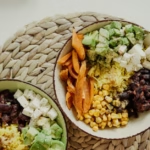
We will be talking about is steak bad for high blood pressure. High blood pressure, also known as hypertension, is a significant health concern affecting millions of people worldwide. It is often referred to as a silent killer because it typically doesn’t show any symptoms until it is too late, increasing the risk for heart disease, stroke, and other serious health problems. Diet plays a crucial role in managing blood pressure levels. When considering the impact of specific foods, steak—a popular source of protein and iron—comes under scrutiny. The primary concern is that steak contains saturated fats and cholesterol, which can contribute to the development of cardiovascular diseases. Understanding how steak fits into a low-sodium and heart-healthy diet is essential for individuals managing their blood pressure. This article will explore various aspects of steak consumption, its effects on blood pressure, and healthier dietary alternatives one can consider.
What is High Blood Pressure?
High blood pressure is defined as a condition where the force of blood against the artery walls is consistently too high, typically measured using two numbers: systolic (the pressure when the heart beats) and diastolic (the pressure when the heart rests between beats). A normal reading should be around 120/80 mmHg. Readings above this can indicate hypertension, which can lead to severe health problems if not managed properly. Contributing factors include genetics, obesity, physical inactivity, excessive salt intake, and unhealthy dietary choices.
Understanding high blood pressure is essential for making informed dietary decisions. Foods high in sodium, saturated fats, and cholesterol can exacerbate hypertension, making it critical to monitor dietary intake, particularly for those who regularly consume red meats like steak. Finding the balance between enjoying steak and maintaining healthy blood pressure levels is key to a healthful lifestyle.
The Nutritional Composition of Steak
Steak is known for being a rich source of protein, providing essential amino acids required for muscle growth and repair. However, it’s important to be aware of its nutritional composition, which includes saturated fats and cholesterol. A typical serving of steak can contain significant amounts of these nutrients, which are instrumental in raising blood cholesterol levels, thereby impacting cardiovascular health.
Incorporating steak into a balanced diet can be achieved, but moderation is essential. Opting for lean cuts like sirloin or tenderloin can offer higher protein content with less saturated fat. Choosing grilled or baked steak instead of fried versions can also make a difference in the overall healthfulness of the meal.
When discussing the role of steak in the diet of someone with high blood pressure, it’s important to balance it with plenty of vegetables and whole grains. These foods can help mitigate the effects of any fat consumed while providing essential nutrients and fiber beneficial for heart health.
How Does Red Meat Impact Blood Pressure?
Various studies suggest a connection between red meat consumption and increased blood pressure. The high levels of saturated fats and sodium often found in processed red meat can lead to hypertension. Consuming large quantities can also promote weight gain, another risk factor for high blood pressure.
Additionally, red meat may have inflammatory effects in the body, contributing to the stiffening of blood vessels and, consequently, elevated blood pressure. Attempting to decrease red meat consumption or choosing healthier, leaner alternatives can positively affect blood pressure management for susceptible individuals.
It’s also noteworthy that the method of cooking can play a role in the healthfulness of red meat. Grilling or baking steak rather than frying can maintain nutrient integrity while minimizing additional calories and unhealthy fats. Pairing it with low-sodium seasonings and fresh herbs can enhance flavor without increasing blood pressure risks.
The Sodium Content in Steak
Sodium is often a significant concern for individuals with high blood pressure. While fresh steak itself does not contain high levels of sodium, many processed forms of steak, such as sausages or marinated cuts, may significantly elevate sodium content. High sodium intake can lead to fluid retention, increasing blood volume and, consequently, blood pressure.
To manage blood pressure effectively, it is vital to choose fresh, unprocessed cuts of steak, avoiding pre-seasoned or packaged versions wherever possible. Cooking steak with fresh herbs and spices is a great way to enjoy flavorful meals without the negative effects of sodium.
Planning meals that incorporate steak may also include side dishes rich in potassium, like leafy greens and sweet potatoes, which can counteract the effects of sodium in the body, helping to maintain appropriate blood pressure levels.
Healthier Alternatives to Steak
While steak can be enjoyed in moderation, there are several healthier alternatives that provide similar benefits without the associated risks for blood pressure. Options such as poultry (chicken or turkey), fish (especially fatty fish like salmon), and plant-based sources of protein (tofu, legumes) are excellent substitutes.
Fish, for instance, contains omega-3 fatty acids which are known for their heart health benefits, potentially aiding in lowering blood pressure and reducing inflammation. Plant-based protein sources often come packed with fiber, further promoting satiety and overall health. Incorporating a variety of protein sources can also ensure a balanced intake of nutrients, ultimately supporting better health outcomes.
Implementing these alternatives into dietary habits can lead to improved blood pressure management while offering new and exciting flavors in meals.
The Role of Portion Sizes in Dietary Choices
Understanding portion sizes is crucial when considering the implications of steak consumption on blood pressure. Overeating, even healthy foods, can lead to weight gain. The general recommendation for steak is to limit portions to a 3-4 ounce serving, which is roughly the size of a deck of cards.
Portion control helps manage overall calorie intake and prevents excessive saturated fat consumption, which is linked to increased cholesterol levels and hypertension. Additionally, balancing steak with nutrient-rich side dishes such as vegetables and whole grains can enhance meal satisfaction and nutritional balance.
Practicing mindful eating techniques can also contribute to better portion control, enabling individuals to listen to their bodies and adjust portions accordingly, leading to healthier habits.
Cooking Methods Affecting Healthfulness
The cooking method chosen for steak can significantly influence its health impact. Grilling, baking, or broiling steak are preferable methods that allow excess fats to drip away, making the meal healthier compared to frying. Cooking with minimal added fats and oils can also maintain a lower calorie count.
Furthermore, incorporating vegetables into cooking methods—such as stir-frying steak with colorful vegetables—can enhance nutrient intake while broadening flavor profiles. Avoiding heavy sauces or marinades high in sugars and sodium is important in preserving the healthfulness of steak dishes.
Experimenting with various cooking techniques can yield delicious results while ensuring that the blood pressure-friendly approach is maintained.
Dietary Patterns and Their Influence on Blood Pressure
Research indicates that overall dietary patterns can strongly influence blood pressure. Diets that are rich in fruits, vegetables, whole grains, and lean proteins while low in sugars, saturated fats, and sodium have been shown to help manage and lower blood pressure effectively. The DASH (Dietary Approaches to Stop Hypertension) diet is one such eating plan emphasizing these types of foods.
For individuals who enjoy steak, it is essential to integrate it within the framework of a balanced diet. Utilizing steak as an occasional treat rather than a staple meal can prevent negative impacts on blood pressure, allowing for diversity in protein sources. The inclusion of a variety of food groups can also ensure a comprehensive intake of essential nutrients necessary for overall health.
Developing a flexible yet structured dietary approach that focuses on whole foods while allowing for occasional indulgence such as steak helps maintain overall dietary compliance without compromising health.
Consulting Healthcare Professionals for Dietary Guidance
For individuals with high blood pressure, it is vital to consult healthcare professionals regarding dietary choices and management strategies. Personalized advice from a physician or registered dietitian can provide tailored recommendations, ensuring individuals understand their specific health needs.
Assessing overall health, dietary preferences, and personal goals can guide effective decisions regarding steak consumption. Learning how to read food labels, understanding portion sizes, and knowing the appropriate cooking methods are key components of successful dietary management.
Professional guidance can also help in creating meal plans that incorporate favorite foods, such as steak, while still managing blood pressure levels effectively, ensuring a healthy balance between enjoyment and health responsibility.
Conclusion
In summary, the question, is steak bad for high blood pressure, requires consideration of various interrelated factors. While steak can contribute to dietary concerns regarding saturated fats and sodium, its role in a balanced diet largely depends on portion sizes, preparation methods, and accompanying food choices. Lean cuts and healthy cooking methods can help mitigate risks while enjoying steak occasionally. However, one must also embrace a well-rounded diet rich in fruits, vegetables, whole grains, and healthy fats.
Ultimately, individuals managing high blood pressure should focus on dietary patterns over individual food items, allowing for flexibility while prioritizing heart health. Consulting healthcare professionals provides tailored insights that support effective management of hypertension. Being proactive in making mindful dietary choices can not only help in maintaining blood pressure levels but also promote overall wellness.
Frequently Asked Questions
1. Is it safe to eat steak if I have high blood pressure?
Steak can be included in your diet if you have high blood pressure, but moderation and preparation are key. Opt for lean cuts and watch portion sizes, ensuring a balanced meal with vegetables.
2. Are there healthier cooking methods for steak?
Yes, healthier methods include grilling, broiling, and baking, which allow excess fat to drip away and reduce overall calorie content.
3. How often can I eat steak on a blood pressure-friendly diet?
Individuals with high blood pressure can enjoy steak occasionally, ideally limited to a 3-4 ounce portion, and balanced with other low-sodium, nutrient-rich foods.
4. What are some good alternatives to steak?
Healthier alternatives include poultry, fish, or plant-based proteins such as legumes and tofu, which provide essential nutrients without the same risks to blood pressure.
5. Should I avoid all red meats if I have hypertension?
Not necessarily, but it is wise to limit red meat consumption, focusing on lean cuts and ensuring a mixed diet rich in fruits, vegetables, and whole grains.
Further Reading
3.5 tog sleeping bag temperature guide
What Type of Psychotherapy Is Best for Anxiety?