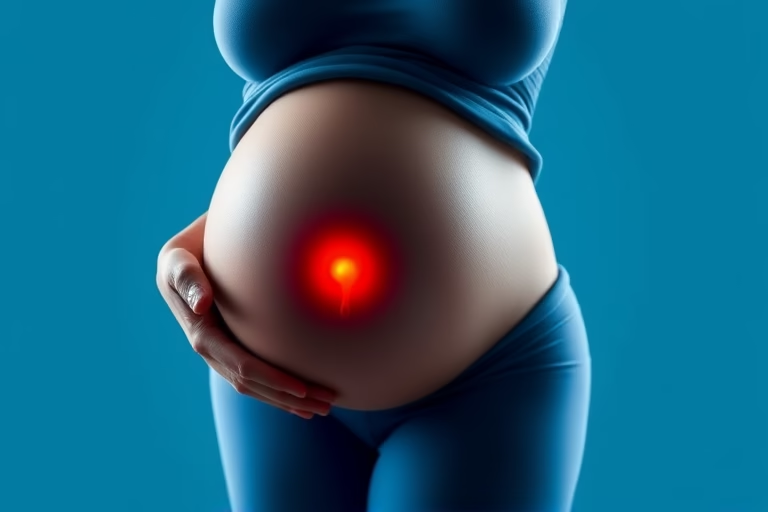
We will be talking about does implantation bleeding mean you’re pregnant. Implantation bleeding refers to light spotting that can occur when a fertilized egg attaches itself to the lining of the uterus. This event typically happens around a week before the expected menstrual period, often coinciding with the time when women may begin to suspect they are pregnant. The flow is usually lighter and of a different color compared to a typical menstrual period, often described as pink or brown. It’s important to differentiate implantation bleeding from menstruation as it can be a significant early sign of pregnancy. However, not every woman experiences it, and those who do may not attribute it to pregnancy immediately. Understanding the signs, causes, and what it may indicate is crucial for anyone considering pregnancy.
Understanding Implantation Bleeding
To fully grasp does implantation bleeding mean you’re pregnant, one must first understand the process of implantation. This occurs when a fertilized egg, or blastocyst, travels down the fallopian tube and reaches the uterus. Once it adheres to the uterine lining, it can cause a small amount of bleeding. This bleeding is typically less than a menstrual cycle and may last from a few hours to a couple of days. Women experiencing this phenomenon often describe it as different from their usual menstrual period, both in timing and flow. While it’s a common occurrence, not every woman will experience implantation bleeding during early pregnancy. It is important to recognize that this spotting does not occur due to menstruation but is indicative of a fertilized egg settling into the uterus.
Timing of Implantation Bleeding
The timing of implosion bleeding is crucial when considering pregnancy. Typically, this bleeding occurs about 6 to 12 days post ovulation, aligning closely with when a woman might suspect she is pregnant. By tracking menstrual cycles, women can understand when they typically ovulate and when to expect potential implantation bleeding. This can create anticipation for those trying to conceive. If one is aware that they have conceived, noticing this implantation bleeding can be a strong indicator of pregnancy.
Color and Consistency of Implantation Bleeding
Another factor to consider is the color and consistency of the bleeding. Implantation bleeding is usually lighter than menstrual bleeding; typically a faint pink to brown color. The fluid might also be more watery than the thick consistency experienced during a typical menstrual period. Understanding these characteristics can help women differentiate between implant bleeding and their regular menstrual cycle. For those monitoring their fertility and pregnancy signs, these details can provide important clues.
Distinguishing Implantation Bleeding from Menstrual Periods
Many women may find it difficult to distinguish between implantation bleeding and a light period. Noticing the differences in flow and color is essential. Implantation bleeding is generally lighter, shorter in duration, and less intense than a standard menstrual period. Understanding these differences can aid in recognizing early signs of pregnancy. If spotting occurs around the expected date of the menstrual cycle, it may be confused with light periods, which is why monitoring symptoms over a few cycles is essential for those trying to conceive.
Signs Accompanying Implantation Bleeding
Women may experience other early pregnancy symptoms alongside implantation bleeding. These can include mild cramping, breast tenderness, fatigue, and even nausea. Understanding these accompanying signs can provide a broader context in recognizing pregnancy. These symptoms vary from woman to woman, and their presence may enhance the possibility of pregnancy in individuals experiencing implantation bleeding. Observing a combination of these signs can be more telling than isolated symptoms.
Does Everyone Experience Implantation Bleeding?
Not all women experience implantation bleeding. It is estimated that only about one-third of women will notice this sign during early pregnancy. Thus, its absence does not mean that one is not pregnant. For many women, there are no noticeable symptoms in the early stages of pregnancy. This reality can cause anxiety for those trying to understand their conception status. It’s essential to recognize that pregnancy can occur without the presence of implantation bleeding, and individual experiences can vary greatly.
When to Take a Pregnancy Test
Timing plays an important role in pregnancy testing. Generally, it’s recommended to wait until after a missed period to take a pregnancy test for the most accurate results. If a woman experiences implantation bleeding, she may still want to wait a few days for enough hCG hormone to build up in her system for a reliable test. Testing too early can lead to false negatives. Understanding hCG levels and test timing can be crucial for accurate results.
Implications of Heavy Bleeding
It’s important to recognize that not all bleeding should be seen as implantation bleeding. If bleeding is heavy or accompanied by severe cramping, it may indicate a miscarriage or other complications. Understanding what constitutes normal bleeding can help in recognizing when to seek medical attention. For women experiencing heavy bleeding after a missed period and suspecting pregnancy, it’s advisable to consult a healthcare professional for guidance.
Seeking Medical Advice
Any concerns regarding bleeding during early pregnancy should prompt medical consultation. Early signs of pregnancy can be confusing, and ensuring health is pivotal. Health professionals can provide diagnostics to confirm pregnancy and monitor any concerns or complications. Seeking medical help can provide clarity and necessary support for those experiencing signs of early pregnancy, including implantation bleeding.
In conclusion, understanding whether implantation bleeding means you’re pregnant incorporates various factors, including timing, flow, and accompanying signs. Recognizing the characteristics of implantation bleeding allows women to differentiate it from an ordinary menstrual period. Although not every woman experiences this phenomenon, its presence can be a positive early indicator of pregnancy. The important takeaway is that every woman’s experience is unique, and discrepancies in symptoms should encourage individuals to seek professional advice for the best outcomes. Tracking menstrual cycles, understanding signs of ovulation, and being aware of one’s body can all contribute to better recognition of the early signs of pregnancy.
Frequently Asked Questions
1. Can implantation bleeding be heavy?
Implantation bleeding is usually light and short-lived. If bleeding is heavy, it may indicate something else, and you should contact a healthcare provider.
2. How long does implantation bleeding last?
Implantation bleeding typically lasts from a few hours to a couple of days, occurring around 6 to 12 days after conception.
3. Can you have implantation bleeding and still get your period?
No, if the bleeding is implantation-related, it is not a menstrual period. Implantation bleeding is typically lighter than a regular period.
4. What should I do if I suspect implantation bleeding?
If you suspect implantation bleeding and have questions about pregnancy, consult your healthcare provider for accurate testing and advice.
5. Is implantation bleeding a definitive sign of pregnancy?
Not necessarily. While it can be an indicator, not all women experience it, and its absence doesn’t mean you aren’t pregnant.
Further Reading
What Type of Psychotherapy Is Best for Anxiety?