Understanding Implantation Bleeding
When discussing the topic of pregnancy tests, many women wonder about the timing related to implantation bleeding. This bleeding can occur when a fertilized egg attaches itself to the uterine lining, typically about 6 to 12 days after conception. It’s often lighter and shorter than a regular menstrual period, usually distinguished by its pink or brown color. Understanding implantation bleeding is crucial because it can serve as an early sign of pregnancy. Knowing how soon you can take a test after experiencing this bleeding helps in gaining clarity about your pregnancy status.
What Happens After Implantation Bleeding?
After implantation bleeding occurs, the body begins to produce human chorionic gonadotropin (hCG), a hormone that pregnancy tests detect. This hormone is usually detectable in urine and blood around a week after implantation. However, many women experience varying timelines of hCG increase, leading to confusion regarding the best time to take a test.
This variability means that women should be aware of their unique cycles and listen to their bodies. Some signs after implantation bleeding may signal a positive pregnancy. These can include missed periods, morning sickness, breast tenderness, and fatigue.
When to Take a Pregnancy Test
Knowing when to take a pregnancy test is essential for accuracy. It is generally advised to wait until at least one week after the expected date of your period to ensure hCG levels are sufficiently high for detection. If the test is taken too early, the result may be negative, even if you are pregnant.
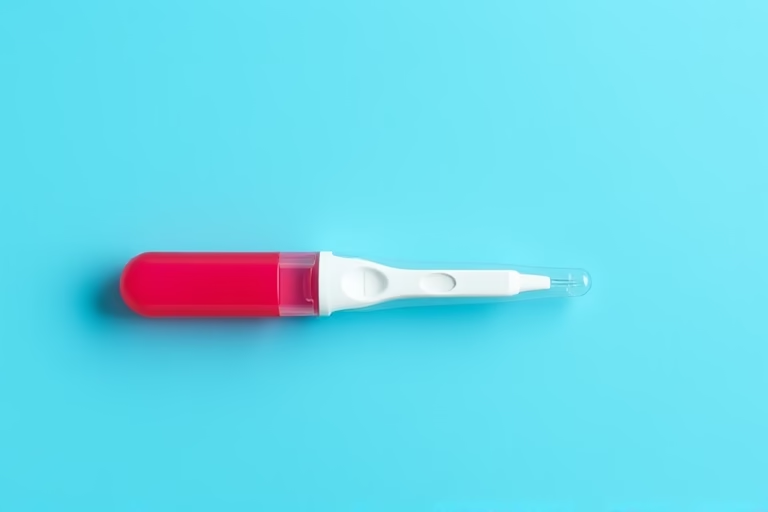
Home pregnancy tests are widely available and formulated to detect hCG in urine. Testing with the first morning urine can also improve accuracy since it tends to have higher concentrations of hCG. For the best chances at an accurate result, wait at least 14 days after ovulation or about a week post-implantation bleeding.
Types of Pregnancy Tests
There are primarily two types of pregnancy tests: urine tests and blood tests. Urine tests are generally more accessible and convenient for home use. Blood tests, which are performed at clinics or hospitals, can detect pregnancy earlier and measure the amount of hCG present in the blood.
Urine tests provide results quickly, often within a few minutes. Blood tests can take a few hours or days depending on the laboratory processing time. Depending on your needs, you might choose one method over the other.
Signs of Pregnancy Following Implantation
Aside from implantation bleeding, there are several signs of early pregnancy that can help you decide when to take a test. Some common signs include:
- Missed period
- Breast changes (tenderness, swelling)
- Fatigue
- Nausea or morning sickness
- Increased sensitivity to smells
Each woman’s body is unique; hence, symptoms can vary significantly. Some may experience many signs, while others exhibit none. If you notice these signs alongside implantation bleeding, it is advisable to take a pregnancy test within the appropriate time frame.
Factors Influencing Test Accuracy
Certain factors can potentially influence the accuracy of pregnancy tests. For instance:
- Timing of the test
- Sensitivity of the pregnancy test
- Time of day when testing (morning urine is recommended)
- Medications affecting hormones
- Irregular menstrual cycles
Understanding these factors helps in interpreting test results correctly. Testing too early may lead to false negatives while failing to consider medications or cycle irregularities can create unnecessary confusion.
Interpreting Test Results
Interpreting the results of a pregnancy test can be straightforward but requires attention to detail. Most tests display lines or symbols indicating either a positive or negative result. Here are the main things to keep in mind:
- One line or symbol typically indicates the test is negative.
- Two lines or a specific symbol usually means a positive result.
- Any unclear or invalid result may require retesting or consulting healthcare professionals.
If you receive a positive result, consider scheduling an appointment with your healthcare provider for further evaluation. They can perform a blood test or an ultrasound to confirm the pregnancy and ensure everything is progressing healthily.
What to Do After Getting a Positive Test
Receiving a positive pregnancy test can lead to a mix of excitement and anxiety. After confirming your pregnancy, here are essential steps to take:
- Schedule a doctor’s appointment to confirm the pregnancy
- Start taking prenatal vitamins and maintain a balanced diet
- Discuss your lifestyle changes such as physical activity and medications with your health provider
- Document any concerning symptoms and communicate them to your healthcare provider
Staying informed and proactive about your health during pregnancy is crucial for both the mother and the baby’s wellbeing.
Final Thoughts
Understanding how soon after implantation bleeding you can take a test involves various factors, including the timing of the bleeding, the type of pregnancy test used, and the body’s hormonal changes. The implantation bleeding itself serves as an indicator of possible pregnancy, while the presence of hCG confirms it. It is essential to wait approximately one week after implantation bleeding before a home pregnancy test for better accuracy. If questions arise about your pregnancy status, timing, or how to interpret results, consulting a healthcare professional can provide guidance and reassurance.
In summary, the timelines regarding implantation bleeding and testing can differ amongst individuals. Being aware of your cycle, understanding symptoms, and knowing how to effectively utilize pregnancy tests enhances your experience. Always remember, each woman’s journey is uniquely hers, and patience and understanding your body’s signals are key.
Frequently Asked Questions
1. Can I take a pregnancy test immediately after implantation bleeding?
It is recommended to wait about a week after implantation bleeding to allow hCG levels to rise for accurate test results.
2. What does implantation bleeding look like?
Implantation bleeding is typically light pink or brown in color and is much lighter than a regular menstrual period.
3. How soon after ovulation does implantation bleeding occur?
Implantation bleeding generally occurs 6 to 12 days post-ovulation.
4. Can stress affect the accuracy of a pregnancy test?
Stress may not directly affect the test but can influence your menstrual cycle and hormonal balance, potentially leading to confusion.
5. What should I do if I receive a mixed result from a test?
If results are unclear or mixed, it is best to retest a few days later or consult with a healthcare professional.
Further Reading
What Type of Psychotherapy Is Best for Anxiety?